
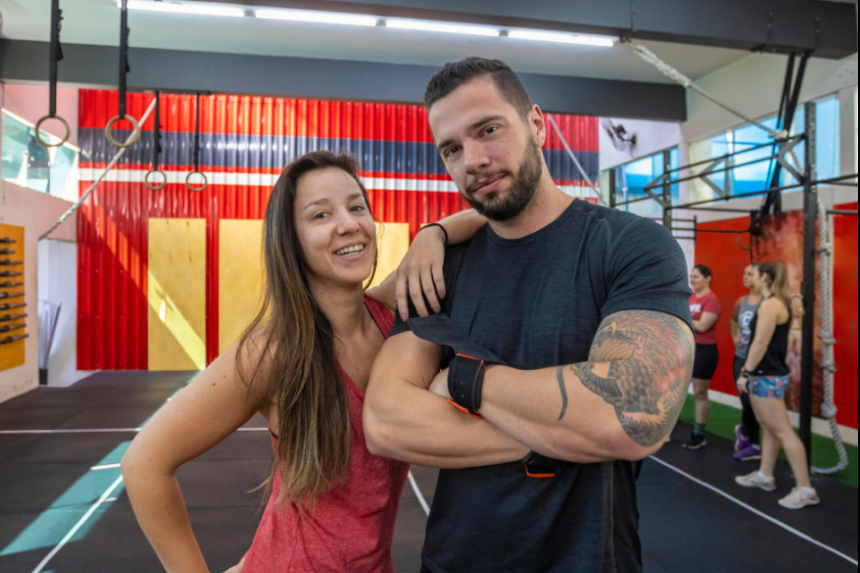
Fitness has become a big part of everyday life. We see it in diet trends, workout posts, sports clothing, and social media content. Many fitness influencers have gained large audiences and have a strong impact on how people think about health and appearance.
However, fitness culture affects more than just physical health. It can also influence how people see themselves and others.
In a world where social media often promotes ideal body types and beauty standards, many people may feel pressure to look a certain way. This article explores how fitness culture shapes our daily lives and how it can affect our mental and emotional well-being.
The Rise of Fitness Influence in Daily Routines
Modern fitness trends are now a regular part of daily life. They have changed how people plan and carry out their everyday activities. For example, workout apps and online fitness classes make it easier for people to exercise, even if they have busy schedules.
In addition, fitness devices like smart watches and trackers have influenced people’s habits. These tools help users monitor their activity, such as steps taken and heart rate. They also help people stay on track with their health goals. Because of these technologies, fitness has become more connected to everyday life than ever before.
Social Dynamics and Fitness Trends
Fitness culture is not only about personal health. It also affects how people interact with others. Social media platforms like Instagram and TikTok allow people to share their fitness journeys, challenges, and achievements.
These online communities help people feel supported and motivated. They also encourage both teamwork and friendly competition. As a result, many individuals stay more committed to their fitness goals because they feel connected to others with similar interests.
Fitness Trends Shaping Career Paths
The influence of fitness trends extends into the professional realm as well. Many individuals are pivoting their careers to align with health and wellness, viewing it as an opportunity to combine passion and vocation.
The wellness industry is booming, with job openings in areas like personal training, nutrition coaching, and fitness technology on the rise. Additionally, professionals seeking a career shift often pursue certifications, such as the ASFA Certification, to enhance their qualifications.
The Impact of Fitness Trends on Health and Well-Being
Following fitness trends can help people live healthier lives. Regular exercise is good for both the body and the mind. It has been shown to help reduce anxiety and improve mood, which makes people feel better overall.
People who exercise often also tend to feel happier and more satisfied with their lives. Because of these benefits, staying active is an important part of overall health and well-being.
Challenges and Misconceptions
As the fitness culture thrives, it also poses certain challenges and misconceptions. The pressure to conform to idealized body images can lead to unrealistic expectations and potential burnout. Many individuals may feel overwhelmed by the constant exposure to extreme fitness regimens showcased online, leading some to abandon their personal goals altogether.
Modern Fitness Culture: A Healthier Choice for a Better Life
The modern fitness culture is reshaping lifestyles by integrating fitness trends into everyday life, social dynamics, and career paths. As the significance of physical and mental well-being becomes increasingly recognized, adopting these trends can bring about profound changes in individual lives. Engaging with fitness trends not only fosters positive health outcomes but also promotes a sense of community, accountability, and personal growth.