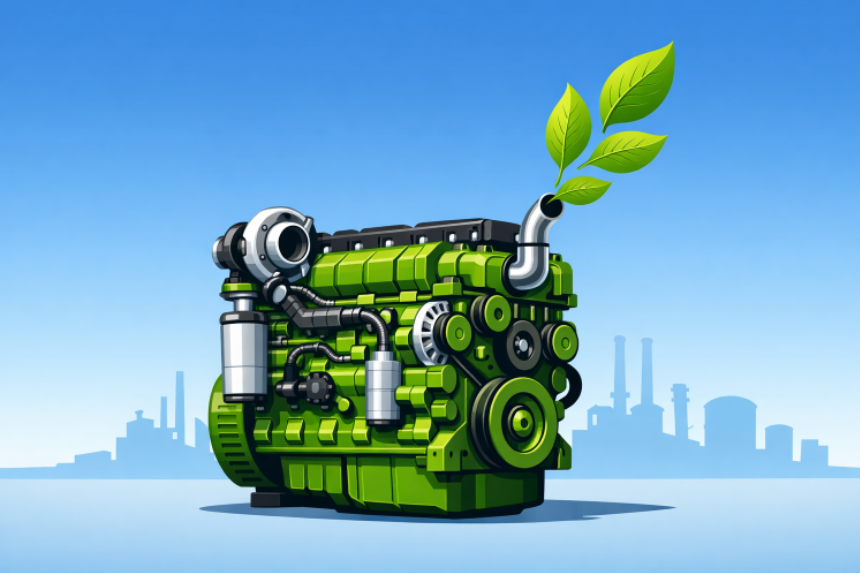
Diesel engines are essential to many industries, from transportation to agriculture, but their environmental footprint can be significant if not properly managed. Improving maintenance through eco-friendly practices benefits engine performance and supports long-term sustainability efforts. Whether you manage a fleet or use personal equipment, keeping the environment in mind can enhance efficiency and reduce emissions. An excellent resource for robust diesel options is the Cummins 6.7 engine, widely respected among diesel professionals for its reliability and capability.
By choosing green maintenance strategies, operators can save on costs and extend equipment life. This article will explore practical, eco-conscious approaches for diesel engine upkeep, highlighting the latest in renewable fuels, advanced oils, and innovative products. Adopting such methods is more accessible than ever before and delivers meaningful environmental gains.
From proactive fuel management to sustainable testing routines, each step toward greener diesel engine maintenance supports cleaner operations and a better future. Focusing on both industry advancements and actionable practices, this guide provides clear steps for improving performance while meeting environmental responsibilities.
The movement towards sustainability in diesel operations is quickly accelerating as responsible companies and individuals seek to reduce their ecological footprint. Through innovation and dedication, operators now have access to numerous practical tools and resources that make going green a natural part of maintenance routines.
Renewable Diesel Fuels
Modern fleets are finding success in lowering their environmental impact by transitioning to renewable diesel fuels, such as hydrotreated vegetable oil (HVO). As leading companies like Rolls-Royce have documented, the use of HVO has dramatically reduced carbon emissions, with reductions reaching nearly 3,200 tonnes of CO₂ through engine testing alone as of 2025. Unlike standard diesel, HVO offers over 40 percent less soot emissions and nearly 8 percent fewer nitrogen oxides, directly reducing air pollution and helping operators comply with evolving emissions regulations.
Advanced Engine Oils
The introduction of advanced engine oils marks a major step forward for both maintenance professionals and the environment. Products like Valvoline’s Premium Blue One Solution Gen 2 target multiple engine types and are engineered for extended oil drain intervals, potentially reaching up to 100,000 miles under optimal conditions. By stretching the time between oil changes, these oils minimize waste, reduce service requirements, and enable engines to operate more efficiently and cleanly. This approach not only extends engine longevity but also slashes operational costs.
Fuel Polishing Techniques
Diesel fuel contamination is an often overlooked culprit behind poor performance and elevated emissions. Contaminants and water in fuel can damage injectors, encourage microbial growth, and lead to inefficient combustion. Fuel polishing, a process that cleans stored diesel by removing water, sediment, and microbes, ensures optimal fuel quality and engine function. Experts like Jared Pronto recommend fuel polishing as a proactive maintenance step that prevents unnecessary breakdowns and embodies conscientious fuel resource management.
Innovative Maintenance Products
The market has seen a surge of new products designed to streamline eco-friendly diesel maintenance. Power Service’s Diesel Injector & DPF Flush is an example of a multipurpose solution that purges the entire fuel, turbo, EGR, and DPF system, effectively lowering particulate matter and reducing the frequency of costly regenerations. By quickly cleaning complex parts, these solutions support sustained fuel economy and help reduce total emissions during everyday operation.
Extended Oil Drain Intervals
Thanks to data-driven advancements in engine technology and oil formulation, extended oil drain intervals have become the norm for high-performance, low-impact diesel engines. Modern engines like Cummins’ new X15 model can often surpass 100,000 miles between oil changes. This progress means fewer oil changes, less environmental waste, and lower resource consumption, all achieved through integrated performance monitoring and precision engineering.
Integrated Powertrain Systems
Integrated powertrain solutions have redefined engine efficiency and emission control. The International S13 Integrated Powertrain, designed to work seamlessly with renewable diesel options, empowers operators to achieve aggressive carbon-reduction targets without compromising on power or reliability. Fleet managers can now streamline maintenance and meet sustainability benchmarks more easily than ever before, demonstrating real progress within the commercial and industrial diesel market.
Sustainable Testing Practices
Adopting sustainable testing routines completes the eco-friendly maintenance cycle. By integrating renewable fuels and advanced oils into everyday engine testing, manufacturers like Rolls-Royce have proven that emissions can be reduced and environmentally sound protocols can become standard operating procedure. These changes set a powerful example for other companies and operators who wish to follow suit in reducing their environmental impact and championing green practices.
Conclusion
Environmentally friendly diesel engine maintenance is not only possible but essential for responsible operations. The combined efforts to transition to renewable fuels, adopt advanced lubricants, maintain clean fuel systems, invest in innovative products, and follow sustainable testing protocols empower operators to significantly cut emissions and prolong engine life. With the tools and strategies outlined here, any operation can join the move toward cleaner, more cost-efficient diesel maintenance.