Modern homes today are no longer just about having a place to cook or store things—they’re about how spaces feel, flow, and support daily life. The kitchen, in particular, has become a central gathering point where families talk over breakfast, friends linger during dinner parties, and everyday routines quietly unfold.
Behind these well-designed spaces is a careful balance of planning, materials, and skilled workmanship. When done right, cabinetry and built-in features don’t just fill a room—they shape how you experience it. That’s where thoughtful design and craftsmanship make all the difference, especially in areas like kitchens and custom woodwork that need to be both practical and beautiful.
Kitchens as the Heart of Everyday Living
Think about a typical morning at home. The kettle is boiling, someone is rummaging through the fridge, and another person is trying to find their coffee mug in a crowded cupboard. Now compare that to a kitchen where everything has its place—drawers glide smoothly, storage is logically arranged, and countertops are clear enough to prepare food without stress.
This difference doesn’t happen by accident. It comes from intentional design choices.
In many modern homes, kitchens are now open-plan, meaning they connect directly to dining and living areas. This shift has changed how they’re built. They’re no longer hidden work zones but social spaces. For example, in apartments in busy cities, an island bench often doubles as a dining table and workspace. In suburban homes, wide pantry systems are designed to store bulk groceries, reducing repeated trips to the store.
Even in commercial settings like small cafés or bakeries, kitchen layout is everything. A well-designed prep area can mean the difference between a smooth breakfast rush and chaotic bottlenecks. The same principles used in home design—flow, accessibility, and durability—apply there too.
What Expert Craftsmanship Really Looks Like in Practice
Good cabinetry and woodwork are often noticed most when they’re done poorly—doors that don’t close properly, uneven surfaces, or storage that wastes space. Expert craftsmanship works quietly in the background, making everyday tasks feel effortless.
It starts with understanding how people actually use a space. For example, a family with young children may need soft-close drawers to prevent accidents and lower shelving for easy access. A passionate home cook might prioritize deep drawers for heavy pots instead of high cabinets that are hard to reach.
Materials also play a big role. Solid timber offers warmth and durability, while engineered boards can provide stability in humid environments. Finishes are chosen not just for appearance but for resistance to stains, heat, and daily wear.
This is where the detail work matters most. Joinery—the craft of connecting wood pieces without visible nails or screws—ensures strength and a clean finish. In high-end retail stores, you’ll often see similar techniques used in display units that need to be both sturdy and visually seamless. In boutique hotels, custom wardrobes and vanities are designed to match the mood of the room, blending function with atmosphere.
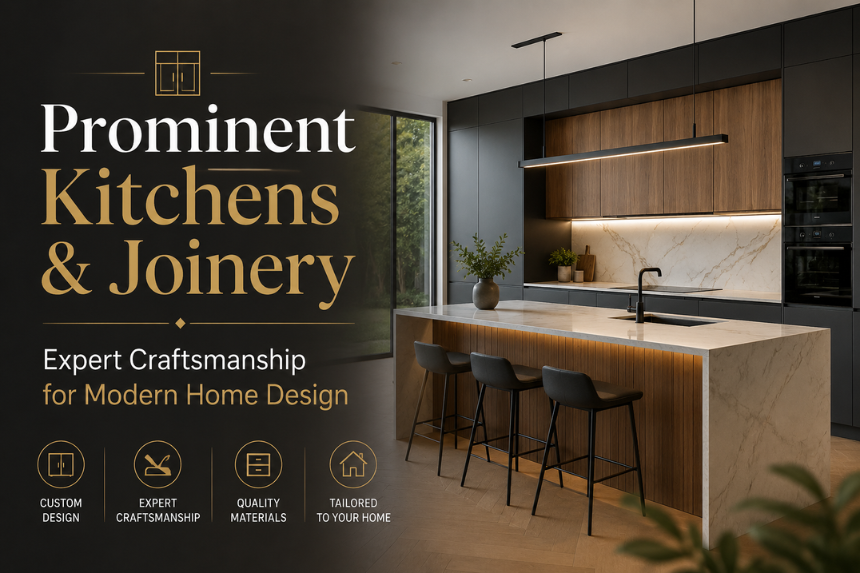
In the world of bespoke interiors, firms like prominent kitchens & joinery represent this kind of attention to detail. Their approach reflects a broader philosophy seen in skilled trades everywhere: whether it’s a tailor adjusting a suit or a boatbuilder shaping a hull, precision and understanding of use are what create lasting quality.
How Craftsmanship Shapes Comfort Across Homes and Industries
The impact of well-designed joinery extends far beyond residential kitchens. In healthcare facilities, for instance, custom storage is used to keep medical supplies organized and hygienic. Cabinets are designed with smooth, easy-to-clean surfaces and layouts that allow nurses and doctors to access tools quickly during busy shifts.
In offices, built-in furniture helps manage clutter while supporting productivity. A reception desk with integrated storage keeps paperwork hidden but accessible. Meeting rooms often feature wall units that hide cables and tech equipment, creating a clean, distraction-free environment.
Even in education settings, joinery plays a subtle but important role. Libraries use custom shelving systems that maximize space while keeping books accessible to students. Classrooms benefit from modular storage that can adapt as teaching methods evolve.
At home, these same principles quietly shape daily comfort. A well-fitted wardrobe eliminates morning stress by making clothes easy to find. A cleverly designed laundry cabinet can turn a cramped utility area into an efficient workflow space. Small details like these reduce friction in everyday routines, freeing up mental space for more important things.
Another example is the rise of multifunctional furniture in compact living spaces. In many modern apartments, a single wall unit might combine a TV console, shelving, and hidden storage for household items. This kind of design is especially useful in urban areas where space is limited and every square meter counts.
Ultimately, good joinery is about more than wood and screws—it’s about understanding human behavior. Where do people pause? What do they reach for first? What causes frustration in a space? The answers to these questions guide design decisions that make environments more intuitive and enjoyable.
Bringing Design and Daily Life Together
When you step back and look at a well-crafted kitchen or interior space, what stands out is not just how it looks, but how naturally it works. Doors open where you expect them to. Storage feels intuitive. Surfaces invite use instead of resisting it.
This harmony doesn’t happen by chance. It’s the result of experience, careful planning, and a deep understanding of how people live and work.
Whether in a busy family home, a small business café, or a modern office, thoughtful joinery transforms spaces into something more than functional—it makes them livable. It reduces friction, adds comfort, and quietly supports the rhythm of everyday life.
And while trends in interior design will continue to evolve, the value of skilled craftsmanship remains constant. Materials may change, styles may shift, but the need for well-built, well-thought-out spaces never goes away.
In the end, great design isn’t about excess or complexity. It’s about making life easier without drawing attention to itself—and that’s where true craftsmanship always shines.