
Inheriting a house brings both sentimental memories and substantial responsibilities. Managing the legal, financial, and emotional aspects of selling an inherited home can be overwhelming for many heirs. It is important to approach the process methodically and get guidance when needed. If you are looking for a streamlined sale or need expert advice, Kentucky Sell Now is a valuable resource for homeowners navigating complex sales scenarios. Families who inherit property must balance respecting the sentimental value of the home with making the best financial and legal choices. Each situation is different, but many inherited properties require upgrades or repairs before being market-ready. Some heirs prefer to sell the home quickly, while others want to maximize its value on the open market. Careful planning and open family discussions can help ensure a smooth process, reduce stress, and honor your loved one’s legacy. In this article, we will walk through the main steps and considerations for selling an inherited house so you can make informed decisions throughout each stage. Addressing paperwork, repairs, and market options early will position you for the best outcome. If you are specifically looking to Sell House Fast in Louisville, KY, working with local buyers who understand the legal and estate challenges of inherited property can be particularly effective. They can help you avoid unnecessary delays or complications.
Legal Considerations
Before listing an inherited house for sale, it is necessary to resolve any legal matters regarding property ownership. In most states, inherited properties must go through probate, a court-supervised process to validate a will and transfer assets to heirs. Probate timelines vary widely depending on the state, the complexity of the estate, and whether the deceased left a valid will. Consulting with an experienced estate attorney can help you understand the specific legal steps to take and minimize unnecessary delays for a smoother transition of ownership.
Assessing the Property’s Condition
Inherited homes often have not been recently updated and may even require urgent repairs. Start by arranging for a professional inspection of the house. Inspectors can identify roof issues, outdated wiring, old plumbing, foundation cracks, or the presence of pests. Making essential repairs not only ensures the property is safe and habitable but can also raise its market value and improve the buyer’s impression. Even if you plan to sell the house as-is, understanding its true condition helps you make realistic decisions about price and timing.
Financial Implications
There are important financial elements to consider when selling an inherited property. Most beneficiaries receive a “stepped-up” cost basis, which means the property’s value is reset to its current market value at the date of the decedent’s death. This adjustment greatly impacts capital gains taxes upon sale. Heirs should keep original appraisal documents and consider consulting a tax advisor regarding potential tax liabilities or deductions. For a deeper look at the “stepped-up” basis and capital gains issues, this NerdWallet guide to inheritance taxes provides useful background information.
Preparing the Property for Sale
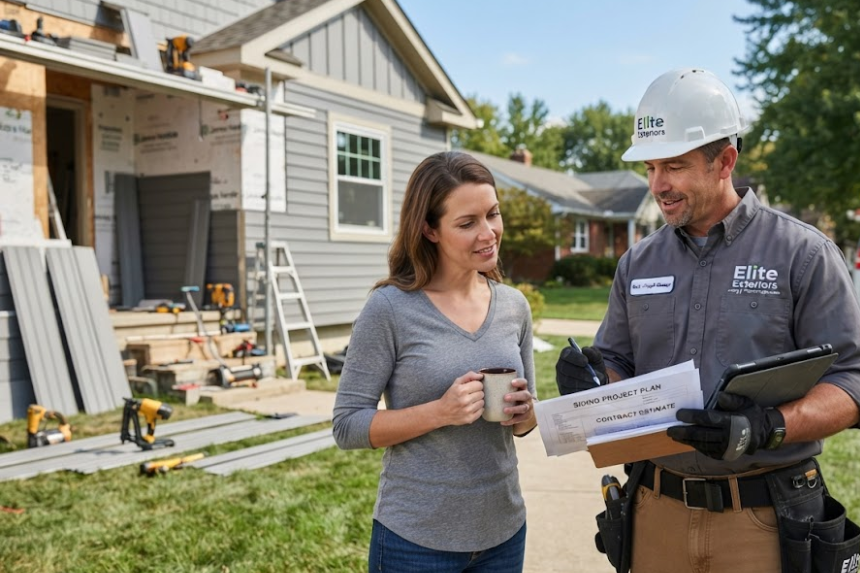
Presentation can make or break a house sale. Decluttering the property and removing personal belongings creates a blank slate that will help buyers imagine themselves in the home. Make practical repairs such as fixing leaky faucets, updating paint, or replacing worn carpets. Home staging, even with simple furnishings, can highlight the home’s best features and lead to quicker offers at better prices. Address landscaping and curb appeal too, since the exterior is the first impression buyers will have.
Choosing the Right Selling Method
There are two primary paths to selling: working with a traditional real estate agent or selling to a cash buyer. Agents can market your home widely and may help secure a higher sale price, though the process typically takes longer. Cash buyers can close quickly and purchase homes in any condition, a strong choice for heirs looking for simplicity or dealing with properties that need repairs. Weigh the benefits and drawbacks of each based on your timeline and priorities. This Zillow seller’s guide explains more about each type of sale and how to decide which works for your situation.
Navigating Family Dynamics
Joint inheritance can complicate the decision-making process, especially if emotions run high. Set up a meeting with all legally entitled heirs to clarify intentions and lay out the facts of the estate. Honesty and transparency go a long way to minimize misunderstandings. When disagreements arise and progress stalls, mediation through a neutral third party can resolve conflicts, preserve relationships, and keep the process on track.
Seeking Professional Help
Real estate agents, attorneys, and tax professionals all play crucial roles when selling an inherited house. An experienced real estate agent can help with pricing, marketing, and managing logistics. Attorneys make sure the property meets all legal requirements, especially regarding probate and ownership transfer. Tax pros can advise on liabilities and deductions unique to inherited property transactions. Together, these professionals help avoid costly mistakes and maximize value for all heirs.
Conclusion
Selling an inherited house is often a significant and sometimes emotional undertaking. By understanding each stage from probate requirements to repairs, pricing, and family dynamics, you can make decisions that protect your interests and honor your loved one’s legacy. Avoiding mistakes by seeking professional guidance will streamline the experience and ensure you get the best result possible, no matter which selling path you choose.