
A homeowner in Desert Hot Springs might notice their shower water pressure suddenly dropping or a faucet handle becoming stiff and hard to turn. In this region, the local groundwater is known for its high mineral content, which affects everything from taste to plumbing reliability. The persistent challenge stems from the unique chemistry of the area’s water supply, which can silently damage valves hidden inside walls, eventually causing leaks or sudden bursts that demand urgent repairs. Understanding the link between mineral-heavy groundwater and valve failure sheds light on why residents so often need emergency plumbing help in Desert Hot Springs, CA.
The problem isn’t just a nuisance—it can lead to expensive water damage and disrupt daily life. Minerals dissolved in the groundwater, especially calcium and magnesium, build up inside plumbing parts over time. This buildup accelerates wear and corrosion, making valves more likely to fail unexpectedly. By examining how the local water interacts with home plumbing systems, it becomes clear why hard water plumbing damage in Desert Hot Springs is a recurring concern for property owners.
Mineral Composition of Desert Groundwater in Desert Hot Springs
Desert Hot Springs draws its water from underground aquifers that naturally collect minerals from surrounding rock formations. The most prevalent minerals are calcium and magnesium, both of which contribute to what is commonly referred to as “hard water.” Over time, these minerals become concentrated due to the arid climate and low rainfall, intensifying their presence in household water supplies.
These mineral ions are not removed by standard municipal water treatment, so every tap in the city delivers hard water directly into pipes and fixtures. The geological makeup of the Coachella Valley explains why mineral levels remain higher here compared to regions with softer water supplies. For more details about the mineral content in Coachella Valley groundwater, public water quality reports offer comprehensive breakdowns by area.
As this mineral-heavy water circulates through home plumbing, it leaves behind deposits that accumulate on internal surfaces. The ongoing exposure to these minerals is a key reason why Desert Hot Springs residents encounter more frequent valve and fixture problems than homeowners in other parts of California.
How Hard Water Corrodes Plumbing Valves and Fixtures
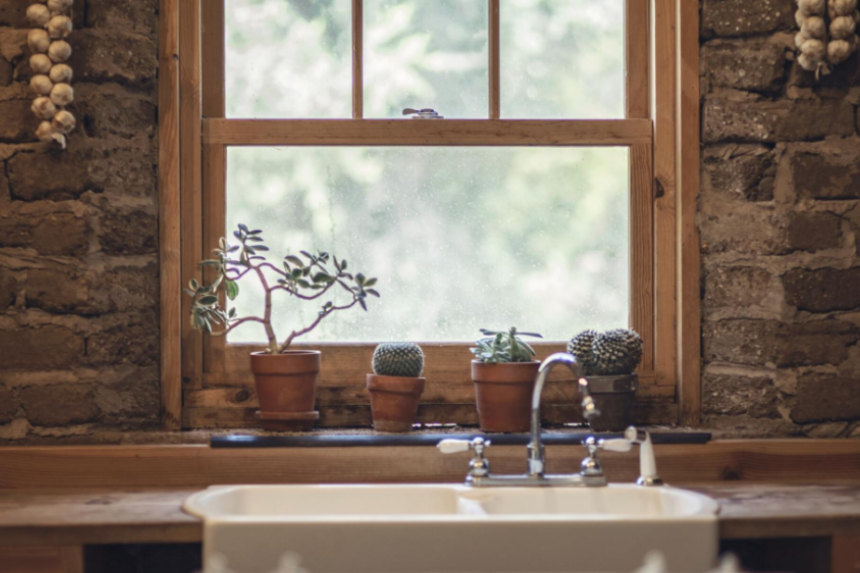
Hard water plumbing damage in Desert Hot Springs is most visible in the form of white or chalky deposits around faucets and showerheads. Less noticeable, but far more damaging, is what happens inside valve assemblies and pipe joints. As calcium and magnesium settle out of the water, they create scale buildup that restricts water flow and interferes with valve operation.
This scale does not just block water—it also reacts chemically with metal components inside plumbing valves. Over time, this reaction weakens metal parts, leading to corrosion and making valves brittle or stuck. Regular exposure to hard water can also degrade rubber and plastic seals, causing leaks or sudden valve failure that requires immediate attention from Plumbers in Desert Hot Springs, CA. These service providers are called upon when homeowners discover burst pipes or inoperable shutoff valves caused by mineral-induced deterioration.
The process is gradual but relentless, eventually compromising the reliability of even high-quality valves. Consulting guides on how hard water damages plumbing components can help homeowners understand which fixtures are most at risk and why preventive maintenance is so important.
Recognizing Signs of Impending Valve Failure in Residential Systems
Most valve failures give advance warning if you know what to look for. Common early signs include handles that become difficult to turn, faucets that drip even when shut tightly, and noticeable drops in water pressure at a single fixture. These symptoms often point to mineral buildup interfering with the valve’s moving parts.
Other indicators of trouble include a whistling or squealing noise when water is turned on, or visible corrosion around valve stems and pipe joints. In homes with older plumbing, hard water plumbing damage in Desert Hot Springs can also cause valves to seize completely, making it impossible to shut off water during an emergency.
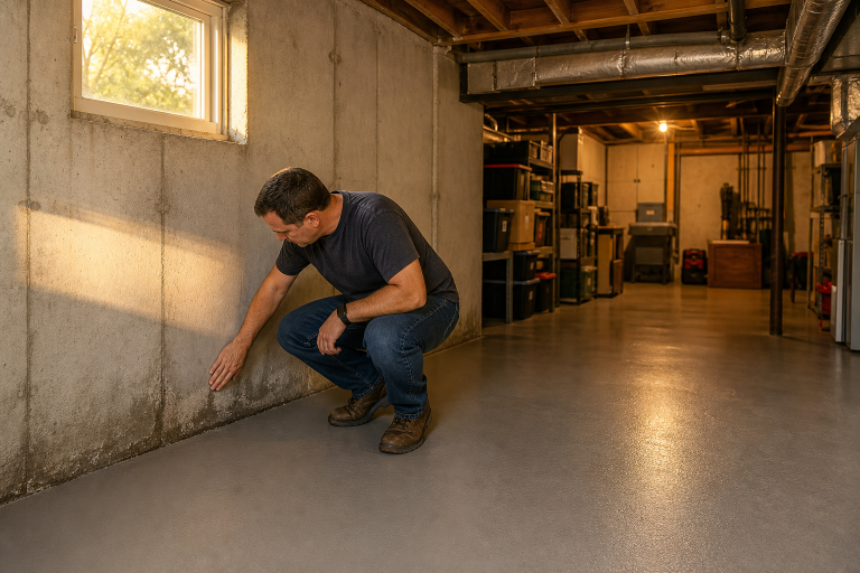
Recognizing these warning signs allows residents to address issues before a complete failure occurs. Proactive inspection and timely repair can prevent costly water damage and the need for after-hours emergency service calls.
Emergency Plumbing Solutions for Mineral-Induced Pipe Damage
When a valve fails without warning, immediate action is required to prevent flooding and further property damage. Emergency plumbers in Desert Hot Springs carry specialized tools and replacement parts designed to handle mineral-induced failures. For example, they may use pipe cutters and extraction tools to remove corroded valves, then install new ones made from materials better suited to resist mineral buildup.
In some cases, plumbers may recommend upgrading to valves constructed from brass or other alloys that tolerate hard water exposure better than standard materials. They can also install water softening systems to reduce future mineral deposits, though this involves additional cost and maintenance considerations.
Residents dealing with frequent valve failures should discuss long-term solutions, such as scheduled maintenance or system upgrades, with emergency plumbing professionals. These steps can help minimize the disruption caused by hard water plumbing damage and extend the lifespan of home plumbing systems.
Conclusion
Scheduling a professional plumbing inspection is the most effective way for Desert Hot Springs homeowners to identify hidden valve issues before they become emergencies. Addressing mineral-related problems early helps avoid costly repairs and unexpected disruptions to daily routines.