Each year we see a shift in how homes are designed and constructed, and 2026 is no different. Builders, architects, and industry analysts are anticipating significant shifts in how homes are built and lived in. This is down to the advancements made in technology that are drastically changing consumer priorities.
Understanding these changes and what experts predict just may help homeowners and builders prepare for what’s coming. Whether you are interested in prefabricated designs, steel framed buildings, sustainable upgrades and more technological integrations, its worth knowing what experts are predicting a focus on.
Sustainability Takes Center Stage
In all industries there is a focus on sustainability, and experts are agreeing that sustainable building practices will move from a specific niche to a mainstream necessity within 2026. Green buildings are no longer just an environmental statement anymore as it is becoming economically sensible to incorporate into every aspect of the design now. Energy-efficient homes command better resale values, and buyers increasingly factor long-term operational costs into purchase decisions.
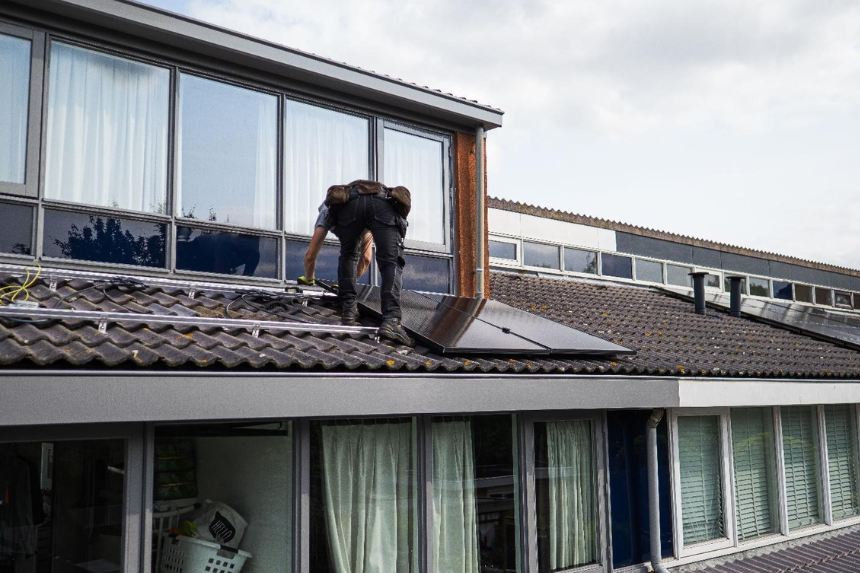
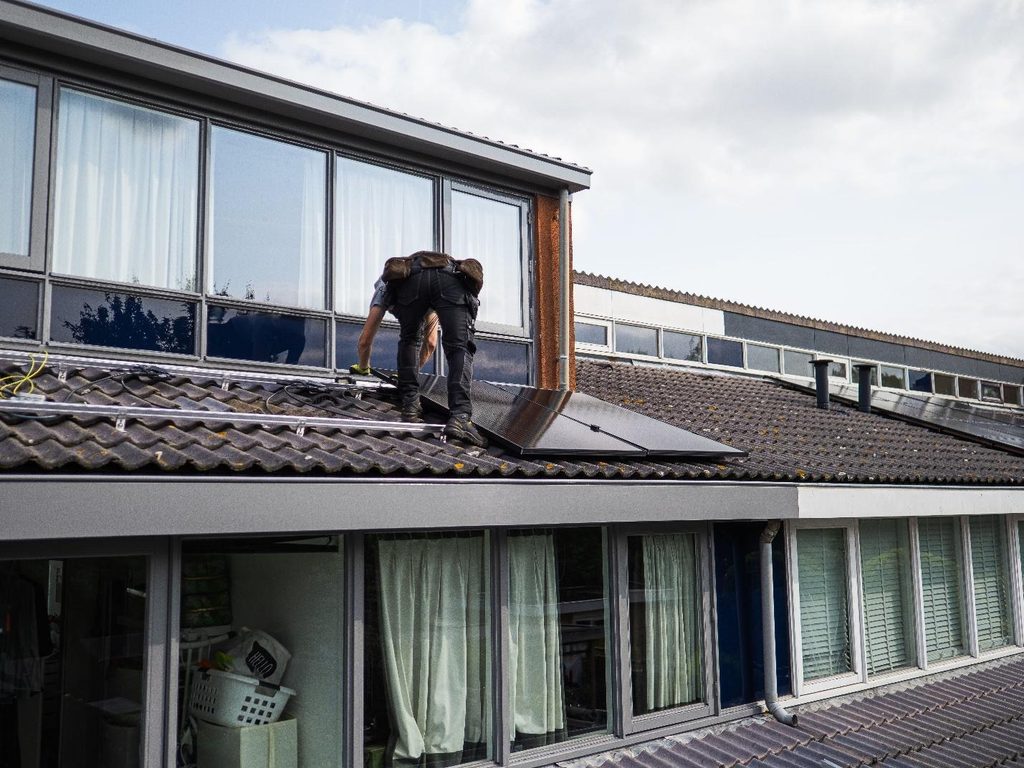
Many experts are expecting a higher focus on solar panel integration into new homes and builders are predicting that photovoltaic systems will be incorporated into more homes during initial construction rather than retrofitted later, reducing costs and improving efficiency.
Battery storage solutions will also become more prevalent, allowing homeowners to manage their energy consumption more effectively and independently. There are also, Water conservation systems, including greywater recycling and efficient plumbing fixtures, will similarly transition from luxury features to standard installations in new construction.
Technological Integration and Smart Homes
It is to no surprise that people want more technology integrated into their homes. Industry leaders are predicting that home automation systems will be built into homes from their inception rather than people adding them afterwards. Homes will feature interconnected systems managing everything from climate control to security, lighting, and appliance operation through intuitive interfaces.
However, it is best to note that experts note that simplicity in these features needs to be considered and prioritized. This is down to there being a need to make things simpler for the homeowner rather than more complicated. There needs to be systems that work in the background, that allow homeowners to have voice activated controls and ai-assisted home management.
It does not stop there though. Building materials themselves are involved within this segment. From smart glass that adjusts tinting based on sunlight, to walls that incorporate sensors for structural monitoring, to floors that track foot traffic patterns.
Modular and Flexible Design Philosophy
Many homeowners are looking for more modular and flexible design approaches to homes that will allow them to adapt their home to their changing life circumstances. Spaces, instead of being designed for specific rooms, will be designed to have multipurpose use. From a bedroom that can be converted into a home office, to a living area that can be transformed into a fitness studio and a kitchen that can be utilized as a place of work for remote users.
This shift in use reflects a broader societal change. Remote work isn’t temporary; it’s reshaping residential needs. Builders anticipate increased demand for dedicated workspace within homes, better internet infrastructure built into new construction, and acoustic design considerations that were previously overlooked in residential buildings.
Material Innovation and Sourcing
Experts are predicting a shift in materials being used in buildings throughout 2026. Engineered wood products will continue improving, offering durability comparable to traditional lumber while using resources more efficiently. Cross-laminated timber (CLT) is expected to gain traction in residential construction, offering strength, sustainability, and impressive construction speed.
Recycled and reclaimed materials will become more accessible and appealing. Rather than being considered compromise options, using recycled materials will increasingly reflect intentional design choices and brand values. Manufacturers are investing heavily in making recycled content materials more aesthetically appealing and structurally reliable. Concrete innovations, including carbon-negative variants and self-healing formulations, will also transform construction possibilities.
Workforce Evolution and Building Timelines
The construction industry faces significant workforce challenges, and experts predict this will drive innovation in construction methods. Prefabricated and off-site construction will accelerate the building and the on-site assembly of structures. More homes will be partially or substantially constructed in controlled factory environments before being transported and assembled on-site.
This shift has profound implications: shorter construction timelines, fewer weather-related delays, and potentially better consistency in quality. However, it also requires updated building codes and permitting processes, areas that industry leaders anticipate will evolve throughout 2025 and into 2026.
Climate Adaptation and Resilience
Climate change is having an impact on how homes are built in 2026. This is especially relevant in areas that are in climate-vulnerable regions. Flood-resistant construction techniques, improved wind resistance, and fire-adaptive materials will become non-negotiable considerations in high-risk areas.
Many builders go off of the locations history and try and predict what location-specific climate adaptation will influence design choices, material selection, and foundation requirements far more than they currently do. Insurance considerations will likely accelerate these changes, as companies adjust premiums based on climate-adaptive building standards.
2026 is seeing a lot of changes in how people approach buildings. Buyers want homes that are environmentally responsible, technologically advanced, adaptable to their lives, and built with integrity. They’re willing to invest in quality and sustainability, particularly when long-term value is clear.
As we approach the last months of 2026 the future of residential construction promises to be smarter, more sustainable, and significantly more aligned with how people actually want to live.