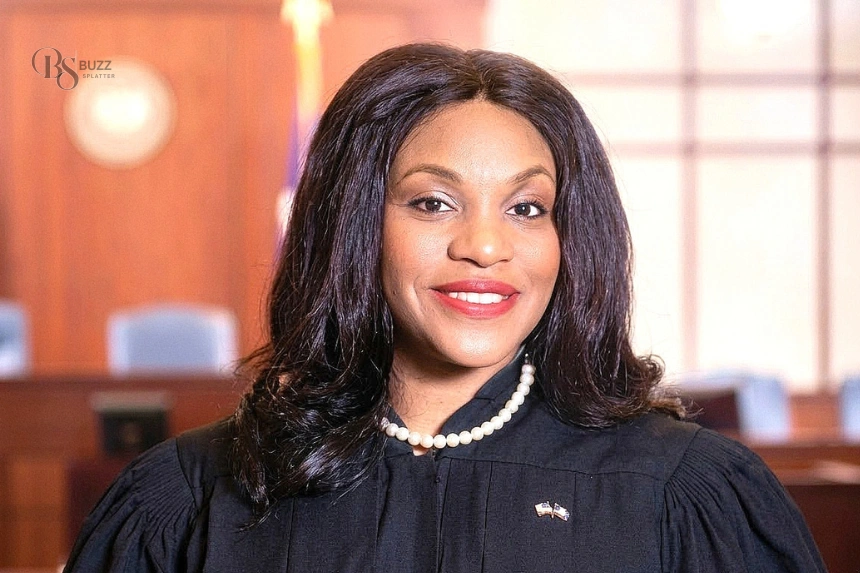

Thomas Borton, Ph.D., an American audiologist, educator, and former academic whose career has focused on hearing science, clinical audiology, and aural rehabilitation.
With graduate training in audiology and speech and hearing science from the University of Illinois, Borton built a career spanning university teaching, clinical practice, professional leadership, and hearing healthcare. His work at the University of Alabama at Birmingham (UAB) included helping establish a cochlear implant program during the late 1980s. He later became closely associated with Auburn University at Montgomery (AUM), where he directed the institution’s Speech and Hearing Clinic.
Who Is Thomas E. Borton?
Thomas E. Borton, Ph.D., is an audiologist whose professional career has combined clinical service with higher education. His areas of work have included audiological assessment, hearing rehabilitation, speech and hearing science, and services for individuals using advanced hearing technologies.
His academic career placed him in positions where he could contribute not only to patient care but also to the education of future communication-disorders professionals. His work is particularly associated with Alabama, where he held academic and clinical roles at both UAB and Auburn University at Montgomery.
Borton has also participated in professional audiology organizations and has held leadership responsibilities within the Alabama Academy of Audiology.
Education and Academic Foundation
Borton’s academic preparation began with graduate-level study at the University of Illinois, where he earned an M.A. in Audiology and a Ph.D. in Speech & Hearing Science.
This combination gave him a foundation in both the clinical and scientific dimensions of hearing disorders. Audiology involves the assessment and management of hearing and balance-related conditions, while speech and hearing science provides a broader research-oriented understanding of auditory communication.
That academic background became important throughout Borton’s later career, particularly as hearing technology and rehabilitation methods developed rapidly during the latter part of the 20th century.
Work at the University of Alabama at Birmingham
In 1988, he was appointed Associate Professor of Surgery and Director of Audiology within the Department of Otolaryngology. During this period, Borton was involved in initiating and co-directing UAB’s cochlear implant program.
Cochlear implants represented an important development in hearing healthcare because they offered an alternative form of auditory rehabilitation for certain individuals with severe to profound hearing loss who received limited benefit from conventional hearing aids.
Borton’s involvement in the early UAB program connected his academic expertise with a rapidly evolving area of clinical care. His role also reflected the multidisciplinary nature of cochlear implantation, which typically requires cooperation among audiologists, surgeons, speech-language professionals, and other specialists.
Leadership at Auburn University at Montgomery
Borton later joined Auburn University at Montgomery, where he became a professor in Communication Disorders and director of the university’s Speech and Hearing Clinic.
The clinic provided an important bridge between academic instruction and community-based healthcare. University speech and hearing clinics can give students supervised clinical experience while providing assessment and treatment services to members of the surrounding community.
As clinic director, Borton was involved in overseeing audiology and speech-language services. His professional interests included hearing assessment and rehabilitation, including work related to individuals with cochlear implants.
His AUM career therefore extended beyond conventional classroom teaching. It brought together education, clinical supervision, and direct involvement in hearing-related services.
Professional Organizations and Credentials
He has been identified as a Board-Certified Audiologist through the American Board of Audiology and as a Fellow of the American Academy of Audiology. He also served as president of the Alabama Academy of Audiology, a leadership role reflecting his involvement in the state’s professional audiology community.
Professional organizations play an important role in audiology by supporting continuing education, professional standards, advocacy, and communication among practitioners. Borton’s participation in these organizations added a professional leadership dimension to his academic and clinical career.
Transition From Academia to Clinical Practice
After years in higher education, Borton transitioned toward private clinical practice.
Professional directories have identified him as a consulting audiologist in Montgomery, Alabama, including an association with Doctors Hearing Clinic. More recent provider information has continued to list Thomas Borton, Ph.D., as an audiologist in Montgomery.
At the same time, professional profiles describe him as a retired professor of Communication at Auburn University at Montgomery. Taken together, these records suggest a transition away from full-time academic responsibilities while maintaining a connection to clinical audiology.
Final Perspective
Thomas E. Borton, Ph.D., has built a career centered on understanding hearing, improving clinical services, and educating communication-disorders professionals. From his graduate education at the University of Illinois to his work at UAB and Auburn University at Montgomery, his professional path has included academic leadership, clinical practice, research, and service to the audiology profession.
His connection to the early development of UAB’s cochlear implant program and his leadership of AUM’s Speech and Hearing Clinic are among the defining elements of his career. While the name Thomas Borton belongs to several individuals, Thomas E. Borton is best recognized within the field of audiology for his long-standing contributions to hearing science, rehabilitation, and professional education.