Your roof protects your home from rain, wind, snow, and changing temperatures. However, years of harsh weather can slowly wear down even strong roofing materials. Knowing when to replace your roof can help you avoid expensive damage.
Some problems are easy to spot, while others develop without clear warning signs. Learning what to look for can help you decide whether your roof needs simple repairs or a full replacement.
Your Roof Is Showing Its Age
Every roof has a limited lifespan. How long it lasts depends on the materials, weather conditions, and quality of installation. Asphalt shingles often last around 20 to 30 years, although some roofs need replacing sooner.
If your roof is getting older, schedule an inspection to check its condition. You should also review past repair records to see whether problems keep returning.
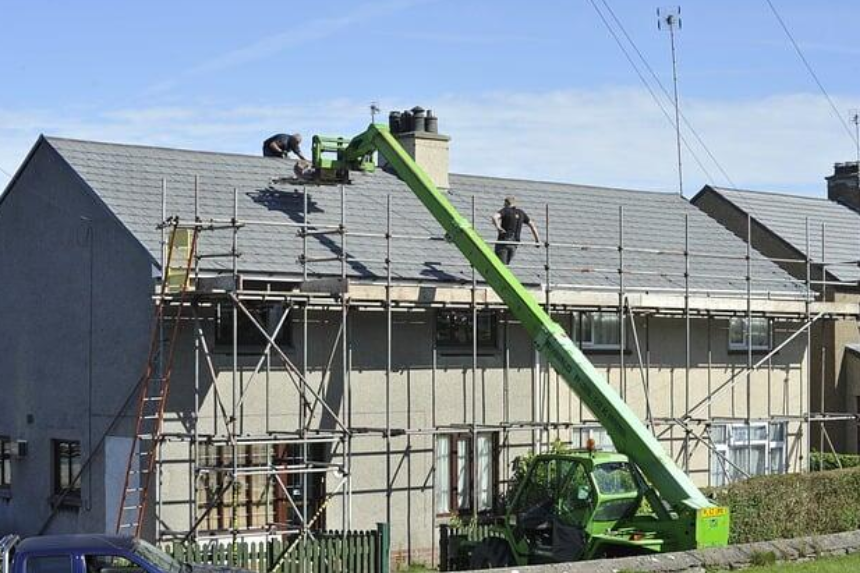
Homeowners looking for a Kansas City roofing replacement company can seek professional advice about aging materials and possible replacement options. A qualified contractor can explain whether repairs remain practical or a new roof would offer better value.
Do not assume that an older roof must be replaced at once. Its current condition matters more than age alone.
You Notice Damaged or Missing Shingles
Shingles form an important barrier against rain and other weather conditions. When they crack, curl, or fall off, water may reach the layers underneath.
Look at your roof from the ground after strong winds or storms. Pay attention to areas where shingles appear uneven, loose, or discolored.
Common warning signs include:
- Cracked or curling shingles
- Missing sections of roofing
- Loose roofing materials
- Visible dark or bare patches
- Frequent repairs after storms
Water Leaks Keep Coming Back
Water stains on ceilings or walls may point to a roof problem. You might also notice damp insulation, peeling paint, or musty smells in your attic.
A single leak does not always mean you need a new roof. However, repeated leaks or damage across several areas may suggest a larger issue.
Moisture can affect wooden supports, insulation, and interior surfaces. Delaying repairs may increase the amount of work needed later.
If water keeps entering your home, arrange an inspection as soon as possible. Finding the source early can help protect the structure and prevent further damage.
Repair Costs Are Becoming Too High
Small roof repairs can be a sensible choice when most materials remain in good condition. However, repeated repairs can become expensive without solving the main problem.
Compare the cost of ongoing work with the price of a full replacement. Consider your roof’s age, the extent of damage, and how long the repairs may last.
A new roof may also provide a chance to improve ventilation and choose materials suited to your local climate. Ask contractors for clear quotes and details about warranties.
Protect Your Home With the Right Decision
Replacing a roof is a major investment, but waiting too long can create bigger problems. Regular inspections and timely action help you make informed choices.
Focus on your roof’s condition and long-term repair costs. For more home maintenance tips and practical improvement ideas, explore our other blog posts.