
Selling a mobile or manufactured home takes more preparation than putting up a sign and waiting for calls. Before you list, confirm what you own, collect the documents buyers will request, and decide which selling path matches your timeline. Owners who need a straightforward local option may also consider buy my mobile home in Irving, TX as part of their comparison process.
A well-prepared sale can reduce delays, avoid last-minute title issues, and make buyers more confident. Whether your home sits in a manufactured home community or on land you own, the strongest approach is to be realistic about its condition, price, rules, and closing requirements.
Check the Market Before You List
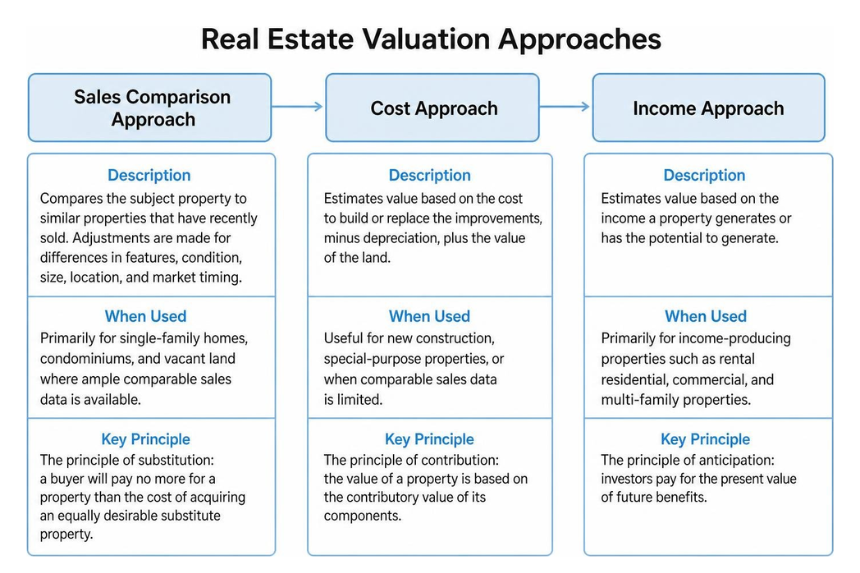
Start with recent local sales, not the price you paid years ago. Look for homes with a similar age, size, condition, location, and land arrangement. Compare homes sold inside communities with homes sold on private land, because lot rent, park amenities, and buyer approval requirements can affect demand. Also note how long competing listings stay active and which features, such as updated systems, covered parking, or owned land, draw attention.
Confirm What You Are Selling
Clarify whether the home is being sold as personal property, real property, or together with land. A manufactured home is generally built to federal standards, while an older mobile home or an RV may follow different rules. Homes built after June 15, 1976, commonly have HUD certification labels, and sellers can review manufactured housing homeowner resources when identifying important labels and records. Check whether the title is in your name, whether the home has a permanent foundation, and whether loans, liens, or back taxes must be resolved.
Gather the Right Documents
Paperwork is one of the most common sources of preventable closing delays. Organize your file early, then keep copies ready for serious buyers, lenders, park managers, and closing professionals. Sellers who want help exploring a direct-sale route can also contact Jeff Buys Mobile Homes after gathering the basic ownership and property details.
Documents to Collect
- Certificate of title, ownership record, or deed
- Loan payoff statement and lien information
- Tax records and proof of paid property taxes
- Park lease, community rules, and transfer forms
- Permits for additions, decks, carports, or major repairs
- Insurance records, upgrade receipts, and past inspection reports
Requirements vary by state, county, city, and community. If a title is missing or names a previous owner, begin the correction process before accepting an offer.
Review Park and Land Rules
A home in a leased-land community may require buyer approval before the sale can close. Ask management about application fees, income or credit standards, age restrictions, pet rules, transfer fees, outstanding lot rent, and deadlines for removing or selling the home. If you own the land, the transaction may include both the structure and real estate, which can change the financing, inspection, tax, and closing process.
Choose Repairs That Make Sense
Prioritize repairs that improve safety, prevent additional damage, or remove obvious objections. Fix active roof or plumbing leaks, broken windows and doors, visible electrical hazards, damaged flooring in busy areas, and heating or cooling problems. Address mold, pests, and standing water before showings. Be cautious with expensive renovations, such as a full kitchen rebuild or luxury bathroom upgrade, unless comparable local sales support the expense. Get written estimates and compare the likely benefit with the cost.
Set a Realistic Asking Price
Your asking price should reflect the home’s age, square footage, condition, location, improvements, lot rent, community amenities, land ownership, and current competition. The original purchase price and the amount spent on upgrades do not automatically determine today’s value. For example, newer flooring may help a listing stand out, but high monthly park fees can still limit the buyer pool. An older home on owned land may appeal to buyers seeking both housing and property.
Create a Clear, Honest Listing
Give buyers the details they need before they schedule a showing. Include the year, make, model, bedroom and bathroom count, square footage, land or lot status, monthly community fees, included appliances, recent improvements, known defects, and expected closing timeline. Use bright, current photos of the exterior, living areas, kitchen, bathrooms, utility spaces, and lot. Honest disclosures help eliminate wasted showings and reduce the risk of disputes later.
Compare Selling Options
Each sales method has advantages and trade-offs. A private sale gives you control but requires marketing, showings, and negotiation. A real estate agent may provide exposure and guidance, although commissions and a longer listing timeline may apply. A manufactured home dealer or broker may understand title and community processes, but fees and terms vary. A direct cash buyer can offer speed and simpler timing, although the offer may differ from a retail listing price. Compare the full result, including repairs, closing costs, loan payoff, moving expenses, and timing.
Prepare for Inspections and Closing
Once you receive interest, confirm the buyer’s financing or proof of funds, review the offer carefully, and provide required disclosures. The buyer may request an inspection or final walk-through. Resolve title, lien, tax, and park-approval issues before signing transfer documents. Manufactured home financing can differ based on whether the home is personal property or real estate, so review financing classifications for manufactured homes if a buyer is using a loan. A title company, closing agent, or attorney can be especially helpful when land, estates, or unclear ownership are involved.
Common Questions
Can a mobile home be sold without the land?
Yes. The buyer may keep it in the community, move it to another location, or purchase it as personal property, subject to local and park rules.
Should I repair an older home before selling?
Focus on affordable repairs that improve safety and basic appeal. Structural, roof, plumbing, and electrical issues should come before cosmetic upgrades.
Is a cash offer always best?
No. A cash offer may bring speed and fewer conditions, while a traditional listing may produce a higher gross price. Your timeline and net proceeds matter most.
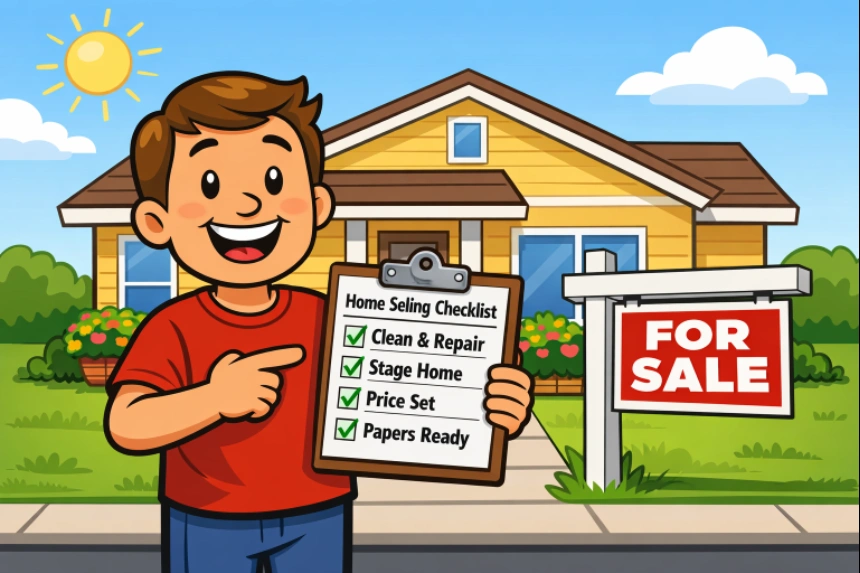
Final Checklist Before the Sale
- Confirm title, ownership, liens, taxes, and unpaid fees.
- Review community rules or land-related requirements.
- Collect permits, repair records, and loan payoff information.
- Complete worthwhile repairs, clean thoroughly, and remove clutter.
- Price the home using current comparable sales.
- Disclose known issues and compare offers by net result.
- Review every closing document before signing.
A smooth mobile home sale begins with complete records, practical repairs, honest marketing, and a price that fits the local market. Compare your available options carefully, then choose the path that best supports your financial goals and preferred closing timeline.