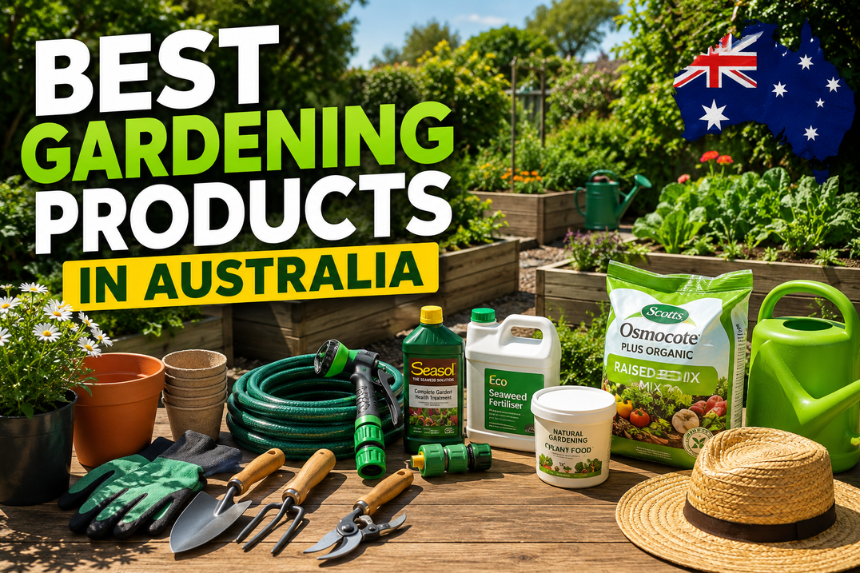
Gardening in Australia has its own rhythm. The sun can be intense, the soil varies wildly from region to region, and water restrictions are something most households have dealt with at least once. Yet, despite all that, gardening remains one of those simple pleasures that fits into everyday life—whether you’re growing herbs on a balcony, maintaining a backyard veggie patch, or keeping a small lawn tidy for weekend barbecues.
What makes the experience easier isn’t just knowledge or time—it’s having the right tools and products. The kind that quietly do their job well, save effort, and make gardening feel less like a chore and more like a relaxing routine. Think of it like cooking: a good knife doesn’t make you a chef, but it certainly makes the process smoother.
Let’s walk through some of the most useful gardening essentials and how they fit into different garden styles and everyday situations across Australia.
Understanding What Works in Australian Gardens
Before diving into specific products, it helps to understand why gardening in Australia is a bit unique. The country has a wide range of climates—from tropical Queensland to cooler southern regions like Victoria and Tasmania. That means what works in one backyard might struggle in another.
For example, a watering system that’s perfect for a humid Brisbane garden might need adjusting for a dry Perth summer. Likewise, soil in some suburban areas is sandy and drains quickly, while others have dense clay that holds water for longer than expected.
This is why good gardening products in Australia tend to focus on adaptability. Tools and supplies that help manage heat, conserve water, and support plant health tend to stand out. Even in commercial spaces like cafes with courtyard herb gardens or schools with vegetable beds, you’ll often see the same focus: efficient watering, durable tools, and easy maintenance systems.
A simple example is mulch. It’s often overlooked, but a good layer of mulch helps soil retain moisture, reduces weeds, and protects roots from heat—especially during long Australian summers when evaporation is high.
Everyday Tools That Make Gardening Easier
Most gardeners—whether beginners or experienced—don’t need dozens of tools. They need a few reliable ones that can handle regular tasks without breaking or becoming frustrating to use.
Take pruning shears, for instance. These small hand tools are used for trimming plants, cutting back herbs, or shaping shrubs. In real life, they’re the equivalent of scissors in a kitchen—simple but essential. A landscaper working on residential gardens might use them dozens of times a day, while a home gardener might only use them on weekends, but both rely on them equally.
Then there are garden hoses and watering systems. In many Australian homes, especially during hot months, watering plants becomes part of the daily routine. A flexible hose with adjustable spray settings can make the job easier, especially when dealing with hanging plants or garden beds spread across different areas. Some households even use drip irrigation systems—small tubes that deliver water directly to the roots. These are commonly used in community gardens and even in small commercial farms because they reduce water waste significantly.
Gloves are another underrated essential. Anyone who has dealt with thorny rose bushes or rough soil knows how important hand protection is. Good gardening gloves not only prevent scratches but also improve grip, which helps when handling wet pots or tools.
Even something as simple as a sturdy garden trowel—used for digging small holes or transferring plants—can make a noticeable difference. In urban apartment gardening setups, where people often grow herbs like basil or mint on balconies, a trowel is usually one of the most-used tools.
Across households, schools, and even hospitality businesses that maintain green spaces for ambience, these basic tools form the backbone of daily gardening work.
Smart Choices for Different Garden Types
Not all gardens are the same, and the products you choose should reflect that. A balcony garden has very different needs compared to a backyard lawn or a vegetable patch.
For small spaces like apartments, vertical planters and self-watering pots are extremely popular. These allow people to grow herbs, flowers, or even strawberries without needing large ground space. In cities like Sydney or Melbourne, where apartment living is common, balcony gardening has become almost a lifestyle trend. People often grow herbs they actually use in cooking—like parsley, basil, or coriander—so they don’t need to buy small bunches from supermarkets.
For vegetable gardens, soil quality and feeding products become more important. Compost bins, organic fertilisers, and soil conditioners help keep plants healthy and productive. Many community gardens across Australia rely on composting systems to recycle food waste into nutrient-rich soil. It’s a simple cycle that mirrors sustainability practices used in larger industries like agriculture and food production.
Lawn care, on the other hand, is a different game. Lawnmowers, edging tools, and fertilisers designed for turf help keep grass even and green. Suburban homes often treat lawn care as part of weekend maintenance, especially before gatherings or family events. A well-kept lawn also plays a role in commercial settings like parks, hotels, and public spaces, where appearance matters just as much as functionality.
Indoor gardening has also grown in popularity. Many people now keep houseplants not just for decoration but for air quality and mood. Simple tools like moisture meters (which check how wet the soil is) and small spray bottles help maintain indoor plants without overwatering them.
This is where the idea of choosing the best gardening products in Australia becomes practical rather than overwhelming. Instead of buying everything, it’s about matching tools and supplies to your actual gardening space and habits.
Choosing What Actually Fits Your Lifestyle
One of the most common mistakes new gardeners make is overbuying. It’s easy to get excited at a garden store and pick up tools you may never use. The reality is, a small set of well-chosen products will often serve you better than a large collection of rarely used items.
Start by thinking about your space and time. If you only have 20 minutes a day, self-watering systems or low-maintenance plants will suit you better than high-maintenance flower beds. If you enjoy spending weekends outdoors, investing in quality tools like a durable hose, strong gloves, and a reliable pruner will make your experience more enjoyable.
Sustainability is another growing consideration. Many gardeners now prefer products that last longer or reduce waste. Reusable pots, compostable seed trays, and water-efficient irrigation systems are becoming more common in both home gardens and commercial landscaping projects.
It’s also worth thinking about storage. Tools that are easy to clean and store tend to get used more often. In contrast, bulky or complicated equipment often ends up forgotten in sheds.
Over time, gardening becomes less about buying new things and more about refining what you already have. You learn which tools feel comfortable in your hands, which watering method suits your plants, and which supplies actually make a difference in your routine.
That’s really the heart of finding the best gardening products in Australia—not chasing trends, but building a setup that works with your environment, your time, and your way of living.
Final Thoughts
Gardening in Australia is a blend of patience, practicality, and small daily habits. Whether you’re tending to a backyard, a balcony, or a shared community space, the right tools and products can make the experience smoother and more enjoyable.
From simple hand tools like trowels and pruning shears to smarter solutions like drip irrigation and self-watering pots, each product plays a role in helping plants thrive under Australia’s unique conditions.
But beyond the tools themselves, gardening is really about consistency. A few minutes of care each day, supported by the right equipment, often leads to the healthiest and most rewarding results.
And once you find the setup that fits your space and lifestyle, gardening stops feeling like a task—and starts feeling like part of everyday life.