
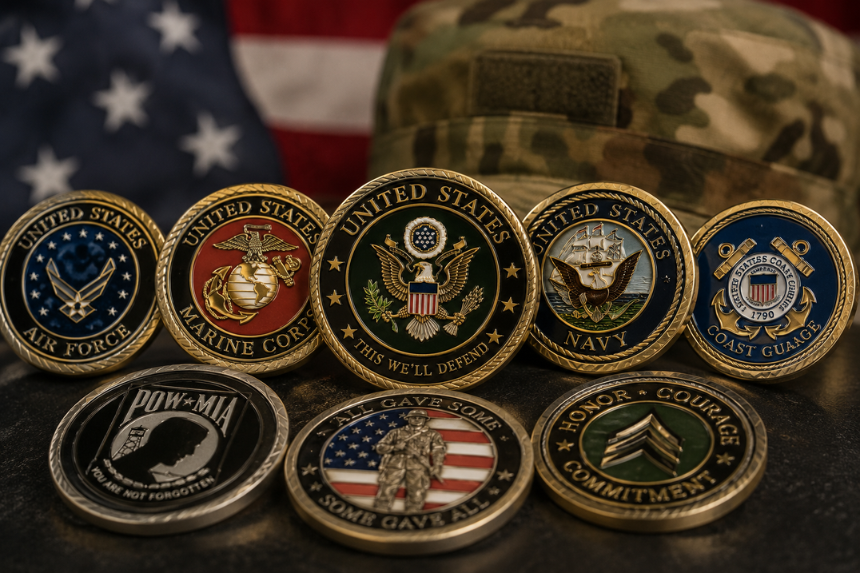
Military challenge coins are more than just commemorative tokens. These items are crafted with intention, weaving symbols and history into their design to create storied emblems that foster pride and unity. Every detail on a coin speaks volumes about the experiences and values of the group it represents. For a deep dive into the rich tradition and craftsmanship behind military challenge coins, understanding the meaning of their symbols adds a new dimension for collectors and recipients alike.
The roots of challenge coins stretch back through years of military service, and today they serve as enduring reminders of dedication and camaraderie. This article breaks down the elements of their design, explores their significance, and helps you appreciate why these coins are so valued within the armed forces and beyond.
Historical Significance
The tradition of challenge coins dates back to World War I. Back then, coins were often used for identification among soldiers, especially those separated from their units or caught behind enemy lines. A coin’s design would distinguish members of a specific squadron or branch, helping forge bonds and build morale even during the most difficult circumstances. Over the decades, these coins have transformed into powerful tokens of recognition and respect, awarded for outstanding service, acts of bravery, or milestones in a service member’s career.
Over time, the significance of these coins has grown far beyond the battlefield. Today, they are recognized as iconic symbols of military heritage and service, a tradition now embraced by law enforcement agencies, corporate teams, and even individuals to honor exceptional contributions and promote unity.
Common Symbols and Their Meanings
Designing a challenge coin is never arbitrary. Each detail woven into a coin’s surface is selected to convey a meaningful message. Below are the most common elements and their symbolic meaning:
- Unit Insignia: The insignia typically found on the coin’s face serves as an identifier for a particular military branch, division, or specialized unit. This visual emblem fosters a shared sense of identity and helps build lasting fellowship among members.
- Mottos and Phrases: Latin phrases or concise English slogans are often engraved to encapsulate a unit’s values. These serve as a daily reminder of the unit’s ethos, commitment, and collective mission.
- Colors: Every color utilized in the coin’s design carries intentional symbolism. For instance, red most commonly stands for valor and the sacrifices made by members. Blue can represent loyalty, vigilance, and devotion to duty, while green may indicate growth, renewal, or a connection to specific units such as Special Forces.
- Dates and Numbers: Specific dates or insignia numbers may immortalize pivotal moments in a unit’s history, such as founding anniversaries or significant operations.
Design Elements and Their Symbolism
In addition to the more visible symbols, several lesser-known design aspects contribute to the storytelling.
- Edge Engravings: Sometimes, a challenge coin will feature additional details along the edge, such as special mottos, names, or events. These engravings often add another layer of significance just for those in the know, giving the coin a sense of exclusivity and a deeper connection to the group.
- Metal Finishes: The type of metal and its finish are important factors. For example, gold-plated coins often represent excellence and high achievement, while silver may symbolize honor or merit. Bronze or antique finishes might signify tradition and the endurance of a unit through time.
- Shapes and Textures: While most coins are round, some adopt unique shapes or textured surfaces reflecting a specific mission or characteristic of the unit, such as a shield for defense or rugged textures to symbolize resilience.
Modern Applications
Today, challenge coins have moved into the mainstream and are awarded or exchanged in a broad spectrum of organizations. Police and fire departments, government agencies, and even private companies use these coins to recognize dedication, foster team cohesion, and celebrate milestones. One notable example is Penn State University, which distributes challenge coins at its annual Military Appreciation Tailgate to honor veterans and active-duty service members.
The ongoing popularity of challenge coins shows their ability to connect people, build loyalty, and celebrate achievements across military and civilian settings alike.
Collecting and Preserving Challenge Coins
For dedicated collectors, the story behind each coin elevates its value far above the material used to create it. Understanding the subtle differences in designs and knowing the story or campaign behind a particular piece can make collections especially meaningful.
Proper preservation is crucial for keeping challenge coins in excellent condition. Display cases that protect from dust, moisture, and handling ensure that colors remain vibrant and engravings stay clear for generations to come.
Conclusion
Military challenge coins are rich in tradition, meaning, and artistry. Every symbol and engraving is thoughtfully chosen to reflect the values, achievements, and history of the group it represents. By recognizing the nuanced symbolism behind each coin, we not only appreciate these tokens more but also honor the deep sense of service and camaraderie they embody for those who carry them.