Introduction to Sustainable Marina Design
As coastal regions around the world strive for environmental harmony, the concept of “sustainable marina design” is gaining rapid traction. Marinas, traditionally seen as hubs of leisure and recreation for boaters, are transforming into ecologically responsible spaces that prioritize the protection of marine ecosystems. This shift reflects not only environmental necessities but also evolving regulations and boater preferences for green practices.
What is Sustainable Marina Design?
Sustainable marina design refers to the planning, construction, and management of marina facilities in ways that minimize environmental impact and support the long-term health of aquatic surroundings. This approach emphasizes renewable energy, water conservation, environmentally-friendly materials, and proactive management practices.
The core principles include:
- Minimizing ecological disturbances to marine and coastal habitats
- Reducing resource consumption (energy, water, materials)
- Adopting green infrastructure that benefits both humans and wildlife
- Encouraging eco-friendly boating practices among marina users
Key Elements of Sustainable Marina Design
1. Site Selection and Impact Mitigation
The first step in sustainable marina design is careful site selection. Planners evaluate the environmental sensitivity of potential locations, aiming to avoid critical habitats such as seagrass beds, coral reefs, or nesting grounds for endangered species. If development is necessary, ecological mitigation strategies—like artificial reefs or wildlife corridors—can reduce negative impacts.
2. Eco-Friendly Materials and Construction Methods
Sustainable marina design favors materials that are non-toxic, durable, and ideally sourced locally. Alternatives to traditional treated lumber, such as recycled plastic lumber or composite decking, reduce pollution and maintenance costs. Innovative building techniques, like floating docks and modular pontoons, lessen seabed disruption and allow for adaptable layouts.
3. Renewable Energy Integration
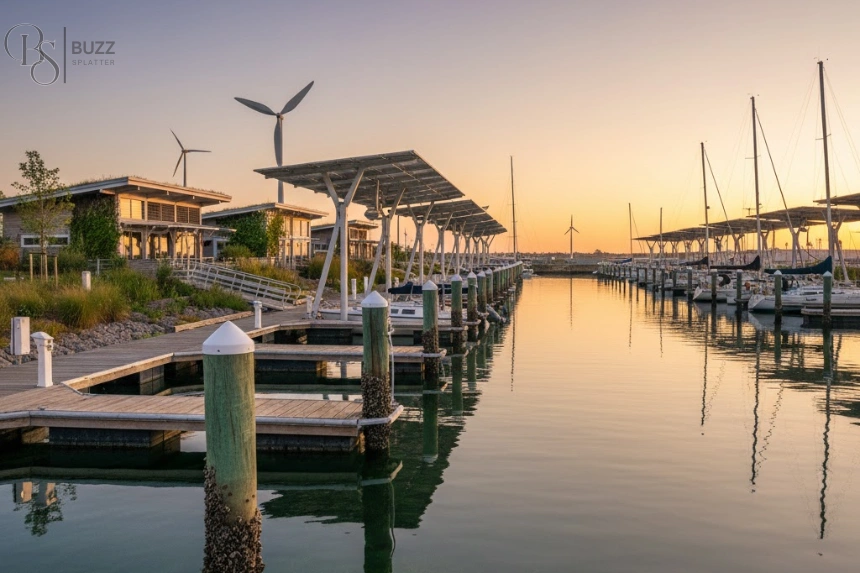
Modern marinas increasingly integrate renewable energy sources, including solar panels mounted on dock roofs and small wind turbines. These clean energy systems power lighting, offices, and marina operations, decreasing dependence on fossil fuels and lowering greenhouse gas emissions.
4. Water Quality Management
Protecting water quality is paramount in sustainable marina design. Solutions include:
Stormwater management systems: Bioswales, rain gardens, and permeable pavers help filter runoff, absorb pollutants, and reduce sediment flow.
Wastewater treatment: Vacuum pump-out stations and closed-system toilets on boats prevent raw sewage from entering the water.
Oil and fuel spill prevention: Spill containment equipment, proper fueling stations, and staff training limit contamination risks.
5. Living Shorelines and Habitat Enhancements
Rather than relying solely on hard seawalls, sustainable marina design encourages living shorelines—natural buffer zones made up of native plants, oyster reefs, and marsh grasses. These features combat erosion, filter pollutants, and create critical wildlife habitat.
6. Green Marina Certification and Best Practices
Professional bodies, such as the Clean Marina Program or Blue Flag award, offer certification for marinas that meet high environmental standards. Earning these designations encourages marinas to adopt industry best practices, continually improve operations, and serve as role models for boaters and coastal communities.
Benefits of Sustainable Marina Design
Environmental Advantages
- Protects native flora and fauna by preserving sensitive habitats
- Improves water quality for boaters, swimmers, and aquatic species
- Reduces carbon footprint through energy efficiency and green power
Economic and Social Gains
- Enhances marina reputation and attracts eco-conscious customers
- Lowers operational costs via energy and water savings
- Complies with evolving environmental regulations, minimizing legal risks
- Promotes community engagement through education and stewardship initiatives
Challenges and Solutions in Sustainable Marina Design
While the benefits are significant, implementing sustainable marina design can pose challenges:
Higher upfront costs: However, these are often offset by long-term savings and incentives.
Complex permitting: Navigating regulations requires expert consultation and transparent communication with stakeholders.
User adaptation: Educational campaigns and incentives can encourage boaters to adopt green practices.
Innovative collaboration between marina managers, governmental entities, designers, and the boating community is key to overcoming these barriers.
Examples of Sustainable Marina Design in Action
1. Port of Portland, Oregon, USA
This marina has installed solar lighting, piloted floating wetland islands, and implemented advanced stormwater filtration systems, earning it several sustainability awards.
2. La Rochelle Marina, France
La Rochelle features eco-friendly pontoons, robust recycling facilities, and native landscaping, offering a model for sustainable marina infrastructure in Europe.
3. Sydney Superyacht Marina, Australia
Here, photovoltaic panels, water recycling systems, and strict fuel management protocols showcase the possibilities of sustainable marina design in busy urban waterways.
The Future of Sustainable Marina Design
As the urgency of climate change grows, sustainable marina design is evolving rapidly. Emerging trends include:
Smart technology: IoT sensors monitor water quality, fuel usage, and energy consumption in real-time.
Green roofing and vertical gardens: Minimize heat and offer habitats for insects and birds.
Hybrid/electric boat infrastructure: Charging stations accommodate the next generation of marine vessels.
By 2030, sustainable marina design is expected to become the industry standard, driven by changing consumer expectations and global sustainability commitments.
Conclusion
Sustainable marina design is transforming the future of waterfront recreation. By blending innovation, ecological stewardship, and community engagement, marinas can safeguard fragile marine environments while offering a superior experience for boaters and visitors. As this paradigm continues to grow, investing in sustainable practices is not just a choice—but a necessity for those committed to a greener, more resilient coastal world.
Frequently Asked Questions (FAQs) About Sustainable Marina Design
A truly sustainable marina integrates environmental, social, and economic considerations. This includes eco-friendly construction, renewable energy, waste management, community engagement, and continuous improvement to minimize ecological impact while enhancing user experience.
Yes, existing marinas can retrofit facilities and adopt sustainable management practices—upgrading dock materials, introducing renewable energy, improving waste systems, and actively pursuing environmental certifications.
Boaters can dock at certified green marinas, use environmentally-safe products, follow waste disposal guidelines, and participate in marina-led conservation programs.
While initial investments may be higher than traditional designs, long-term operational savings, enhanced marketability, and compliance benefits often outweigh the upfront costs. Grants and incentives may also be available.
Yes, several organizations, such as the Blue Flag program and the Clean Marina Initiative, provide international criteria and certification for environmentally responsible marinas.