
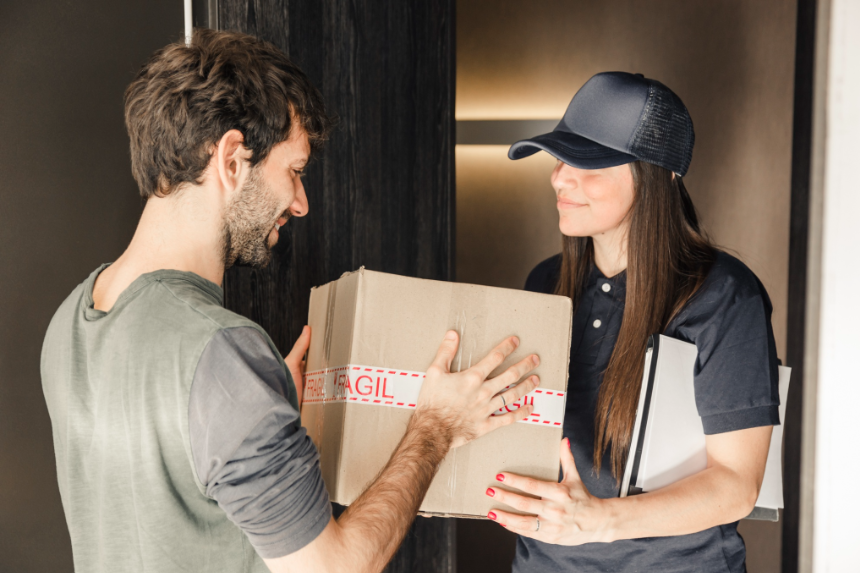
Preparing a parcel for Germany starts with checking the contents, recipient details, and customs requirements. Senders can arrange delivery through https://us.meest.com/services/service/delivery-to-germany, create the order online, review the estimated cost, and track the parcel along its route. Once these details are clear, it becomes easier to prepare matching documents and avoid corrections after drop-off. A consistent plan reduces delays and keeps each stage under control.
The first step is to separate ordinary personal belongings from items that need a more exact description. Customs forms must explain what is inside, how many pieces are included, and what the goods are worth.
Which Contents Need Detailed Customs Descriptions?
General labels such as “personal items,” “gifts,” or “household goods” may be too broad for delivery to Germany. A clear entry should identify the object, material, quantity, and condition.
Clothing is easier to describe when grouped by type instead of being listed as one category. Record cotton shirts, wool sweaters, leather shoes, and synthetic jackets separately. Used garments should also be marked as used when their current value differs from the original price.
Electronics need even more precision. Include the device type, model when available, and information about any installed battery. Chargers, cables, and adapters should appear as separate entries rather than being hidden under a general term.
Packaged food, cosmetics, hobby supplies, and decorative objects may also require specific wording. Before adding them, confirm that the destination allows the category and that the product can remain stable during a long route. Sealed packaging does not automatically mean an item is permitted.
The declared value should be realistic and consistent across every record. An amount far below the likely value can raise questions, while an inflated figure may create unnecessary complications. For used belongings, estimate what each item would reasonably cost in its present condition.
After the descriptions are complete, compare the inventory with the actual contents before sealing the box. This prevents last-minute additions from creating differences between the declaration and what customs may see.
Documents You Need for Smooth Delivery
A successful delivery to Germany depends on records that support the information entered online. Prepare the paperwork as one complete set so the sender can respond quickly if clarification is requested:
- customs declaration — describe each category clearly, state the purpose of the parcel, and confirm that all quantities match the contents;
- detailed inventory — record the item name, material, condition, quantity, and any useful identifying details;
- declared values — assign a realistic amount to every category and keep the totals consistent across all forms;
- recipient contacts — verify the full name, street, house or apartment number, German postcode, city, telephone number, and email address;
- proof of purchase when required — save receipts, invoices, order confirmations, or other records that support the stated value.
These documents create one reliable reference if customs or the recipient asks a question. They also reduce the risk of contradictions between the label, online order, and the parcel itself.
Keep digital copies until the package has been delivered. Store the inventory, photographs, receipt, and tracking number in one folder for quick access.
The address deserves its own review because German formatting may differ from what the sender usually uses in the United States. Check the postcode together with the city, preserve special characters where possible, and avoid placing delivery notes inside the street field. The phone number should remain active for local delivery updates.
With the documents settled, the next task is to follow the route calmly and respond only when an update requires action.
How to Track the Parcel Once It Crosses the Border?
Save the tracking number as soon as the order is confirmed and share it with the recipient. Both sides can then view the same status and recognize whether the package is moving between facilities, waiting for customs review, or approaching final handover.
A gap between scans does not always mean something is wrong. International transport may include periods at a sorting center or under routine customs processing. Compare the latest event with the estimated timeframe before contacting support.
Pay closer attention when the status requests documents, address confirmation, or another response. Delays often become longer when a customs question remains unanswered, or the recipient misses a local notice. Prepared records make these situations easier to resolve.
The receiver should know the approximate arrival period and the general contents. This helps them recognize legitimate messages, arrange collection when necessary, and avoid refusing an expected package.
A smooth delivery to Germany depends on accurate descriptions, matching records, and timely communication. For this route, Meest-America offers a convenient way to submit delivery details online and keep track of status changes throughout the journey. Careful preparation gives the package a clearer path through customs and helps it reach the recipient without avoidable complications.