The Global Shift Away from Single-Use Plastics
The packaging industry is undergoing a structural transformation as worldwide regulations restrict traditional polymer-based materials. Governments and regulatory bodies are intensifying pressure through single-use plastic bans and environmental levies, forcing brands to overhaul their supply chains. Consequently, manufacturing lines are rapidly pivoting toward renewable, fiber-based packaging solutions.
As global mandates accelerate the phase-out of single-use plastics, packaging facilities are forced to rapidly scale their paper-based production capabilities. To meet this aggressive demand without compromising structural integrity, leading manufacturers rely on industrial-grade equipment from companies likeKete Group, which specializes in high-speed, automated paper bag making machinery designed to optimize material yield and minimize downtime.
This macro-level transition demands extreme operational agility from factory floors. Plant managers must handle the distinct physical properties of eco-friendly substrates while maintaining high throughput. Transitioning away from legacy formats requires production lines equipped with advanced precision controls.
Key Technological Advancements in Paper Bag Machines
Processing eco-friendly substrates at scale requires sophisticated mechanical re-engineering. Modern machinery replaces outdated mechanical linkages with smart, modular architectures to ensure stability during high-speed runs.
Automated Tension Control Systems
- Web Tension Stability: Prevents web breaks by dynamically adjusting torque across unwinding and feeding units.
- Substrate Protection: Protects delicate kraft paper and recycled content from excessive tensile stress.
- Reduced Waste: Minimizes material loss during machine acceleration and deceleration phases.
Maintaining precise web tension is critical when processing non-plastic substrates, which lack the elasticity of traditional polyethylene. Automated tension control systems use closed-loop feedback mechanisms to keep the material path steady. This eliminates tearing and ensures uniform folding across high-volume production cycles.
High-Speed Inline Flexo Printing
- Synchronized Processing: Combines printing, cutting, and bag formation into a single, continuous workflow.
- Registration Accuracy: Uses optical sensors to maintain exact color alignment at high speeds.
- Work-in-Progress Reduction: Eliminates intermediate handling stages and interim storage requirements.
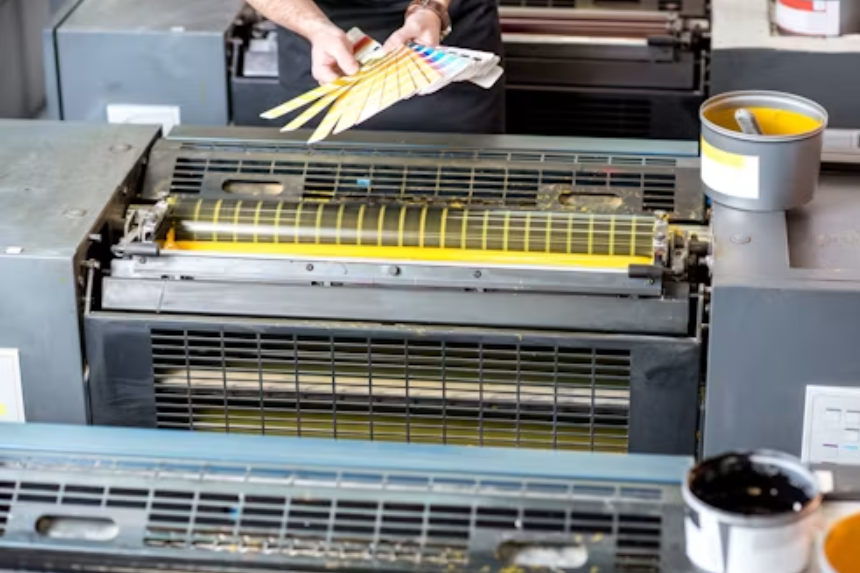
Integrating flexo printing directly into the paper bag manufacturing line transforms factory layouts. Operators can print custom branding and apply water-based inks inline without interrupting bag-forming speed. This synchronization maximizes operational efficiency and lowers overall energy consumption per unit.
Calculating ROI for Modern Packaging Production Lines
Investing in advanced machinery involves careful financial evaluation regarding long-term manufacturing output. Modern automated equipment significantly enhances Overall Equipment Effectiveness (OEE) by reducing unscheduled downtime and labor dependencies.
Precision engineering directly translates to lower scrap rates and optimized raw material consumption. When calculating capital expenditure, plant directors factor in the extended lifespan and energy efficiency of servo-driven systems. These features yield a rapid payback period by safeguarding profit margins against volatile material costs.
Key Takeaways
| Area | Key Takeaway | Impact/Data |
| Regulation | Phase out single-use plastics | Eliminate traditional polymers |
| Technology | Deploy automated tension and flexo | Prevent web breaks and waste |
| Investment | Upgrade servo-driven systems | Enhance OEE and profit margins |
| Strategy | Future-proof adaptive lines | Avoid facility obsolescence |
Future-Proofing Your Manufacturing Facility
Transitioning to paper-based alternatives is no longer just a regulatory requirement; it is a critical business strategy. According to recent market analysis, the sustainable packaging market is projected to experience exponential growth over the next decade, driven largely by consumer demand for biodegradable materials. Facilities that fail to upgrade their legacy systems risk obsolescence in a highly competitive landscape.
Long-term success in modern manufacturing belongs to facilities that embrace technological flexibility. Investing in smart, adaptive production lines ensures compliance with evolving environmental standards. By future-proofing plant operations today, industrial leaders secure a sustainable and highly profitable market position.