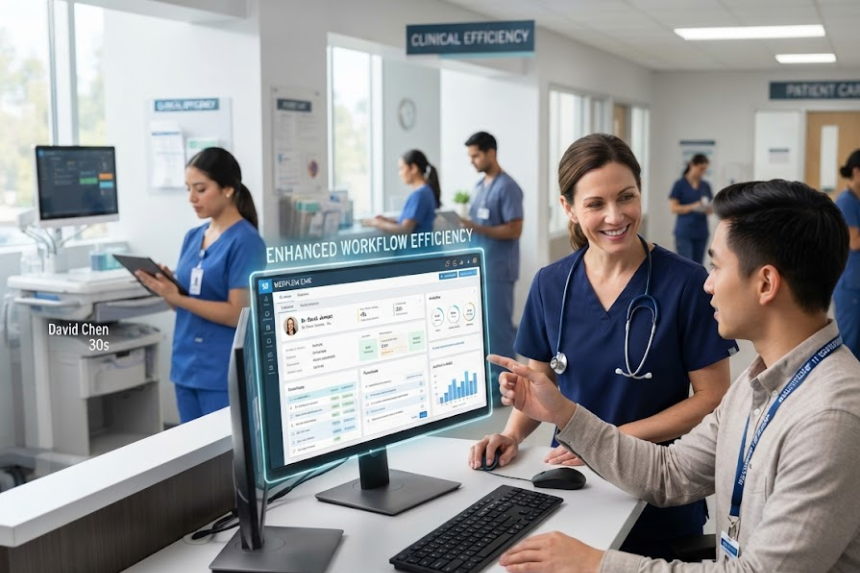
Hospitals depend on fast and well-coordinated clinical processes to deliver safe and timely patient care. Every department relies on accurate information flow to support daily decisions and treatment planning. When systems do not align properly with real clinical needs, even simple tasks can become time-consuming.
Electronic health record systems can significantly improve hospital operations when they are structured correctly. However, success depends on proper planning, workflow alignment, and expert guidance. This article explains how EHR consulting services support clinical workflows through assessment, system alignment, implementation planning, and operational support.
Understands Clinical Workflows Before System Changes
Consultants begin by studying how hospital departments function in real working conditions. They observe how patient information moves across registration, treatment, diagnostics, and discharge. This helps identify gaps that affect speed, coordination, and accuracy.
At this stage, services like HPG healthcare EHR consulting services help hospitals build structured workflow strategies that reflect actual clinical operations. This ensures that system improvements are designed around real staff needs instead of forcing unnecessary adjustments.
Key Areas Evaluated During Workflow Review
- Patient intake and registration flow
- Clinical documentation practices
- Departmental communication paths
- Test and result sharing process
- Reporting and decision support flow
Improves System Setup for Daily Clinical Use
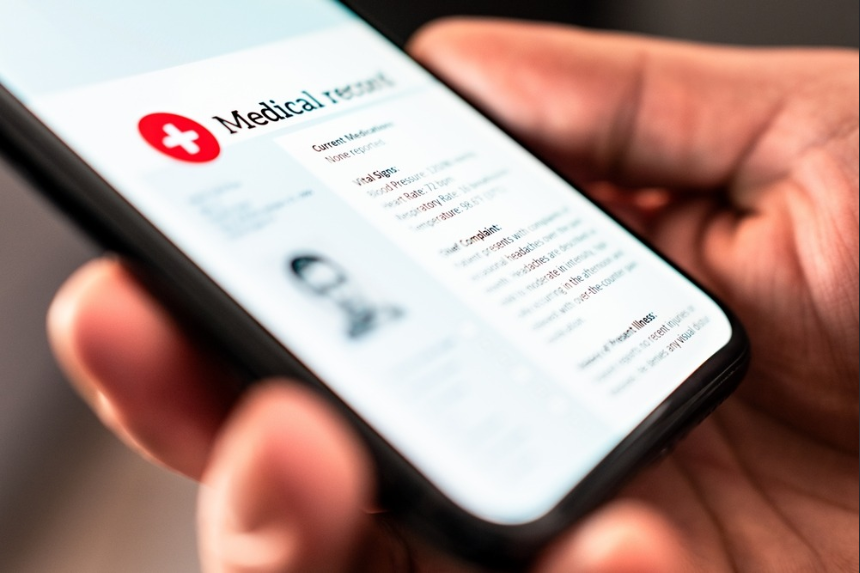
After understanding workflows, consultants adjust the system to match daily hospital routines. They refine screens, templates, and forms so staff can complete tasks with fewer steps. This reduces effort during documentation and data entry. When the system feels familiar, staff can focus more on patient care. It also reduces confusion during busy hours. Departments work with more consistency, and information becomes easier to access when needed.
Supports Implementation with Clear Planning
Hospitals need a clear plan before moving to a new EHR system. Consultants build step-by-step plans that guide each department through the change. This includes timelines, responsibilities, and readiness checks. Project management support keeps all teams aligned during this phase. It ensures that clinical work continues without disruption. Staff know what to expect, which helps reduce stress during system changes.
Makes Go-Live Transition More Stable
Go-live is the point where the system becomes fully active in daily use. Consultants stay involved during this stage to support staff in real time. They monitor system performance and help resolve issues quickly. This support helps hospitals maintain stable workflows during the transition. Staff receive guidance when needed, which helps them adjust with confidence. Patient care continues without major interruption.
Trains Staff for System Adoption Confidence
Training helps hospital teams use the system correctly in their daily work. Consultants design role-based sessions so each group learns what is relevant to them. Doctors, nurses, and administrative staff receive focused guidance. This approach improves accuracy in documentation and reduces mistakes. It also helps teams become comfortable with the system faster. Over time, workflows become more consistent across departments.
Enhances Reporting and Operational Visibility
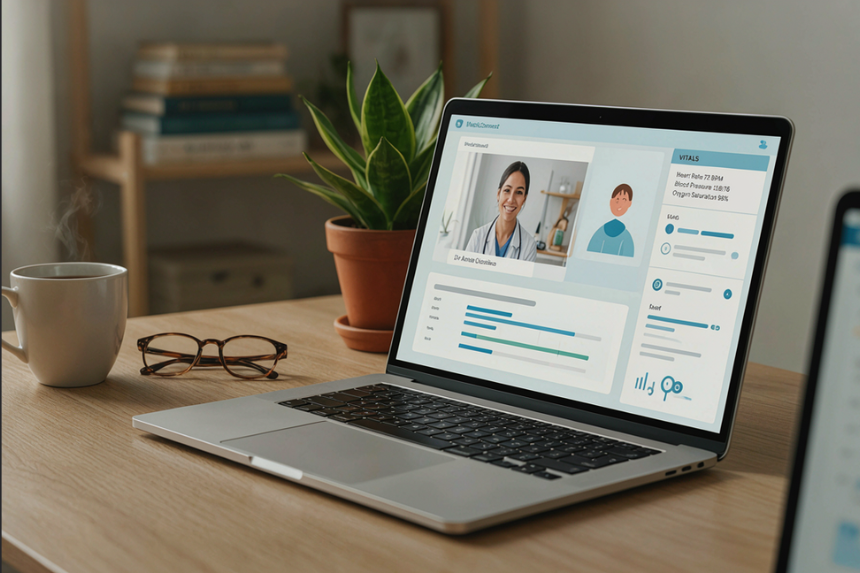
Hospitals rely on reports to understand daily performance. Consultants like HPG healthcare EHR consulting services help set up reporting tools that show clear information about patient flow, resources, and departmental activity. When reporting matches clinical workflows, leaders can respond faster to changes. It also helps identify areas that need improvement. This supports better planning and smoother hospital operations.
EHR consulting services play an important role in strengthening clinical workflows across hospitals. Through structured workflow review, system alignment, implementation planning, go-live support, training, and reporting setup, hospitals achieve smoother coordination and improved operational clarity. With expert guidance healthcare organizations can build more efficient and connected clinical environments that support better patient care.