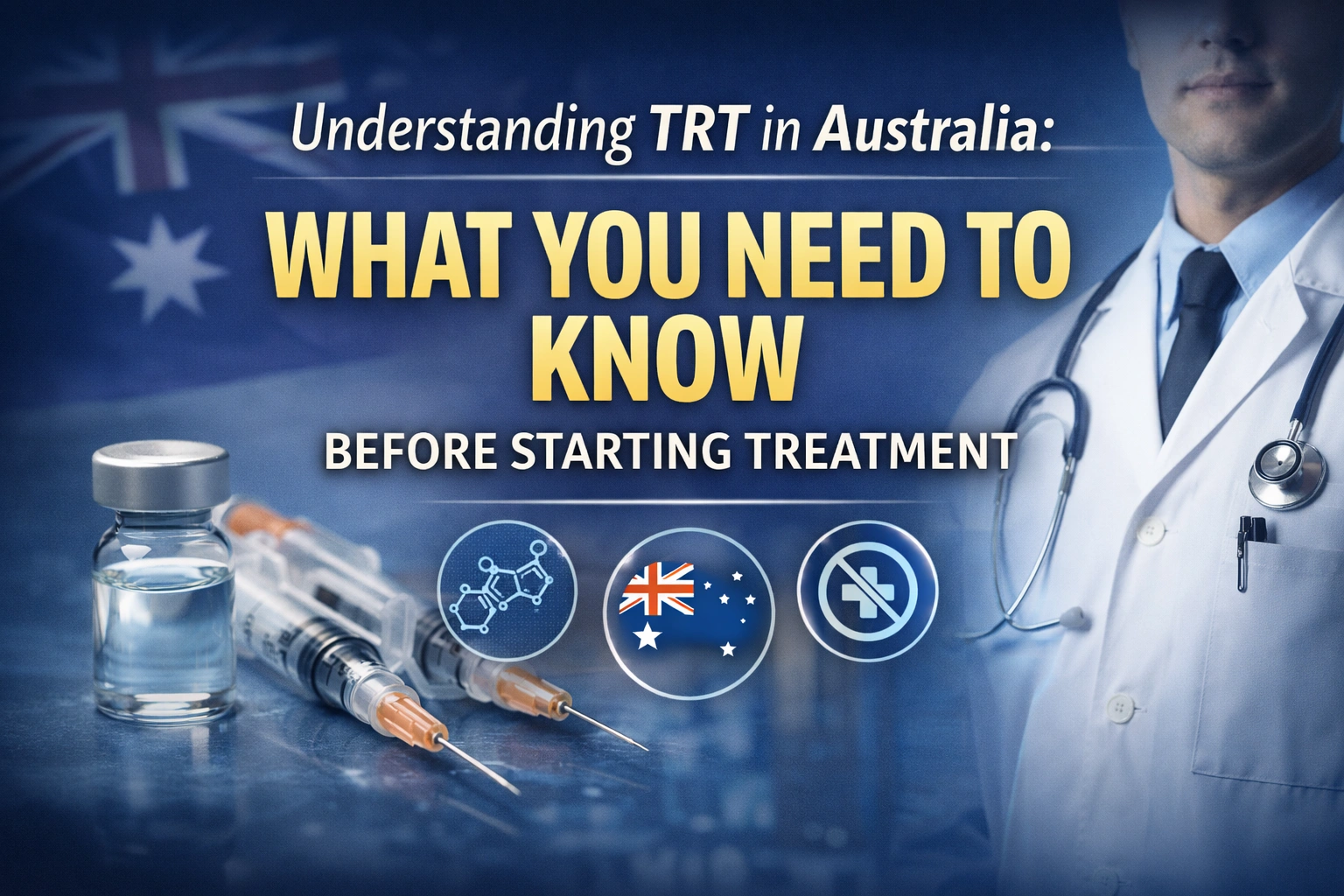
If you’ve been feeling constantly tired, struggling with low motivation, or noticing changes in your mood or physical strength, you’re not alone. Many men experience these shifts as they age, and sometimes, low testosterone levels can be part of the picture. That’s where Testosterone Replacement Therapy, or TRT, comes into the conversation.
But before jumping into any treatment, it’s important to understand what TRT really is, how it works in Australia, and whether it’s the right path for you. Let’s walk through it in a simple, practical way—no complicated medical jargon, just clear insights you can actually use.
What Is TRT and Why Do People Consider It?
TRT stands for Testosterone Replacement Therapy. In simple terms, it’s a medical treatment used to restore testosterone levels in men who have been diagnosed with low testosterone (often called “low T”).
Testosterone is a hormone that plays a key role in energy levels, muscle strength, mood, libido, and overall well-being. When levels drop below normal, it can affect daily life more than people expect.
Think of it like running a business with limited resources. If your team doesn’t have enough tools or support, productivity drops. Similarly, when your body doesn’t have enough testosterone, it may struggle to perform at its best.
Common signs that lead people to explore TRT include:
- Constant fatigue, even after rest
- Reduced muscle mass or strength
- Low libido
- Difficulty concentrating
- Mood changes like irritability or low confidence
However, these symptoms can also be caused by stress, poor sleep, or other health issues. That’s why proper diagnosis is essential before considering treatment.
How TRT Works in Australia
In Australia, TRT is not something you can simply start on your own—it’s a regulated medical treatment that requires proper testing and approval from a qualified healthcare professional.
The process usually begins with a consultation, where your symptoms, lifestyle, and medical history are discussed. From there, blood tests are done to measure your testosterone levels. These tests are often taken in the morning, when testosterone levels are typically at their highest, to ensure accuracy.
If results show consistently low levels and your symptoms match, a doctor may recommend TRT.
Treatment itself can come in several forms:
- Injections (one of the most common options)
- Gels or creams applied to the skin
- Patches worn on the body
- Implants in some cases
Each method has its pros and cons. For example, injections may require fewer applications but involve needles, while gels are easier to use daily but require consistent routine.
It’s similar to choosing between different work tools—some people prefer a powerful desktop setup, while others like the flexibility of a laptop. The “best” option depends on your lifestyle and preferences.
The Importance of Proper Diagnosis and Monitoring
One of the biggest misconceptions about TRT is that it’s a quick fix. In reality, it’s a long-term treatment that requires ongoing monitoring.
Doctors don’t just prescribe TRT and leave it at that. Regular follow-ups are necessary to:
- Check hormone levels
- Monitor side effects
- Adjust dosage if needed
- Ensure overall health remains stable
This is important because too much testosterone can also cause issues, such as increased red blood cell count or hormonal imbalances.
Think of it like maintaining a car. Even after fixing the engine, you still need regular servicing to keep everything running smoothly. TRT works the same way—it’s not just about starting treatment, but managing it properly over time.
Real-World Benefits and Considerations
When done correctly, TRT can bring noticeable improvements. Many people report better energy levels, improved mood, and increased physical performance.
For example, someone working in a physically demanding job—like construction or logistics—might find that TRT helps them regain stamina and strength. On the other hand, someone in a desk-based role may notice improved focus and mental clarity, making it easier to stay productive throughout the day.
But it’s equally important to understand that TRT isn’t a magic solution. It works best when combined with healthy lifestyle habits such as:
- Regular exercise
- Balanced nutrition
- Quality sleep
- Stress management
Without these, even the best treatment may not deliver the results you’re hoping for.
There are also potential risks to consider. These can include acne, fluid retention, or changes in cholesterol levels. That’s why working closely with a healthcare provider is crucial.
Is TRT the Right Choice for You?
Deciding whether to start TRT is a personal decision, and it should never be rushed.
If you’re experiencing symptoms that affect your daily life, the first step is to get properly evaluated. From there, you can explore your options and make an informed choice based on professional advice.
If you’re curious about the process or want to take the next step, you can learn more about TRT Australia and what’s involved in getting assessed and starting treatment.
Remember, the goal isn’t just to increase a number on a lab report—it’s to improve your quality of life in a safe and sustainable way.
Final Thoughts
TRT can be a helpful solution for those who truly need it, but it’s not something to approach casually. Understanding how it works, what to expect, and how it fits into your overall health plan is key.
Take your time, ask questions, and focus on long-term well-being rather than quick results. With the right guidance and approach, you can make a decision that supports both your health and your lifestyle.
At the end of the day, it’s about feeling like yourself again—and making choices that help you stay that way for years to come.