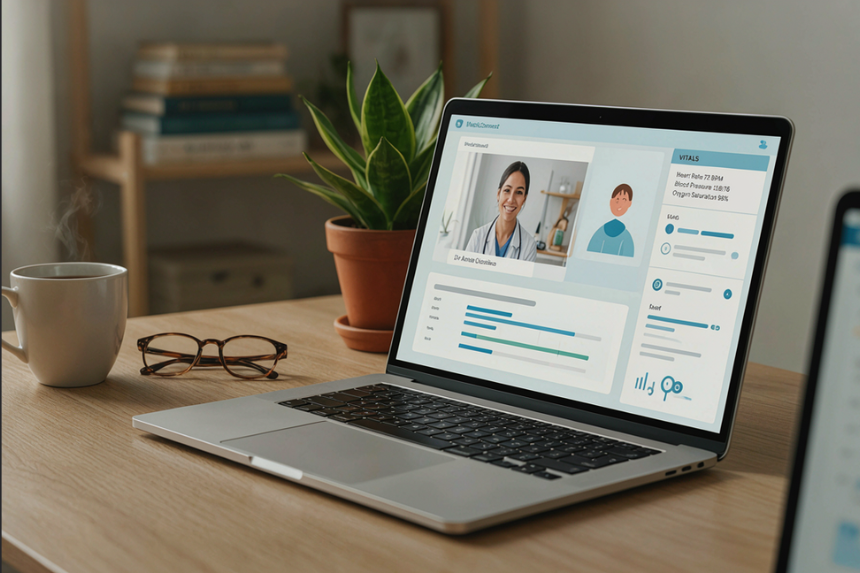
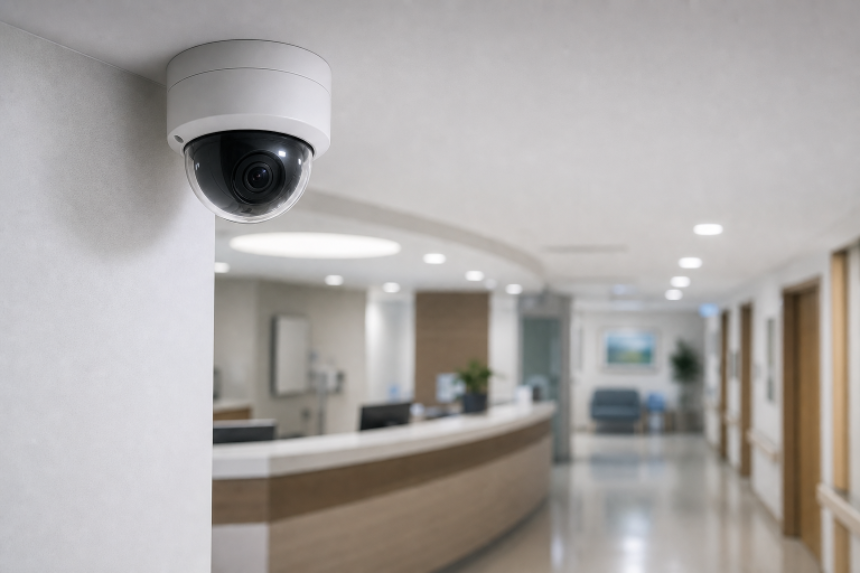
Healthcare leaders must protect patients, visitors, employees, medications, equipment, and facilities without making people feel constantly watched. Thoughtfully designed healthcare facility video surveillance systems can support that work, but cameras and software are only tools. A complete monitoring plan defines why information is collected, who can see it, and when collection should stop. In 2026, the strongest programs balance physical safety, clinical workflow, cybersecurity, regulatory responsibilities, and patient dignity. The goal is not to monitor every possible space. It is to obtain the right information in the right location, for a documented reason, while limiting unnecessary exposure of sensitive information.
Why Monitoring Plans Matter in 2026
Facilities face overlapping risks, including falls, workplace violence, unauthorized entry, theft, medication diversion, and privacy incidents. A device installed without governance can create additional problems, such as excessive access to recordings, unhelpful alerts, or unintentional capture of patient information. Monitoring should strengthen care teams and security operations, not create a substitute for staffing, communication, or sound clinical judgment.
Start With a Clear Risk Review
Before selecting equipment or expanding coverage, review actual risks at the facility. Include security, clinical, privacy, compliance, information technology, and frontline staff in the discussion. Their perspectives can reveal blind spots that a building map alone will miss.
- Review recent incidents, near misses, and recurring complaints.
- Identify busy areas, low-visibility spaces, and vulnerable access points.
- Note locations where patient privacy is especially sensitive.
- Consider times when staffing and visibility are limited.
- Rank risks by probable harm, likelihood, and required response time.
For example, a review may show that entrances, loading areas, medication storage, and visitor corridors need better oversight. At the same time, continuous recording in patient rooms would add substantial privacy risk with limited benefit.
Choose Monitoring Locations With Care
Every monitored area should have a written purpose, a defined field of view, and a decision about whether recording is necessary. Public areas, restricted work areas, and private care spaces should not be treated the same way.
- Public areas: Entrances, reception areas, elevators, parking areas, and visitor corridors may support safety, access control, and incident response.
- Restricted work areas: Supply rooms, loading zones, medication storage, and staff-only entrances may require focused security coverage.
- Private care areas: Patient rooms, treatment areas, consultation rooms, bathrooms, and changing spaces require the highest level of restraint. Bathrooms and changing areas should generally be excluded from video monitoring.
Protect Patient Privacy by Design
Privacy should be built into the plan before installation. Use limited camera angles, privacy masking, recording-free zones, notices, and controls that prevent views of computer screens, charts, or areas where sensitive conversations occur. Audio recording deserves particular scrutiny because it can capture clinical discussions and other protected information. Healthcare organizations should review applicable federal and state requirements with qualified privacy and legal personnel. HHS guidance on visual and audio privacy reinforces the importance of preventing impermissible access to protected health information in treatment areas.
Questions to Ask Before Activating a Device
- Could the view capture a chart, screen, treatment activity, or conversation?
- Is audio enabled by default, and is it truly necessary?
- Can recording be turned off or narrowed during private care?
- Are patients, visitors, and employees given clear notice?
- Is monitoring proportionate to the stated safety purpose?
Set Firm Access and Retention Rules
Recorded footage should be treated as sensitive information. Limit access by job role, require multi-factor authentication for remote access, and maintain logs that show who viewed, exported, copied, or deleted content. Separate routine recordings from footage preserved for an incident, investigation, or legal hold. A written retention schedule is essential. Keeping all footage indefinitely increases storage expense, breach exposure, and the likelihood that material will be accessed for reasons unrelated to safety. Retain information only as long as the approved purpose, organizational policy, and applicable requirements justify it.
Use Alerts to Support Staff, Not Replace Them
Automated notifications can help teams notice unusual movement, access to a restricted area, crowding, or a possible fall. They are prompts for trained people to assess context, not final decisions about patient care, employee conduct, or security action. Send alerts only to people who can respond, establish escalation steps, and review repeated low-value alerts so staff do not become desensitized. AHRQ’s discussion of video in patient safety illustrates how video can support learning and review when organizations also address privacy, transparency, and timely deletion practices. Maintain a manual backup process for outages and test it regularly.
Create a Practical Facility Policy
A usable policy should be clear enough for staff to follow during a busy shift. At a minimum, include:
- Purpose: The safety or operational problem being addressed.
- Scope: Covered sites, departments, devices, and users.
- Privacy limits: Areas where monitoring is prohibited or restricted.
- Access: Approved roles and authorization procedures.
- Retention: Storage periods and preservation rules.
- Incident response: How footage is secured, reviewed, and disclosed.
- Oversight: Responsibilities for security, clinical, privacy, legal, and IT leaders.
Train Teams and Explain the System
Training must go beyond operating a camera interface. Staff should understand confidentiality rules, secure login practices, proper alert response, restrictions on screenshots and downloads, and how to report suspected misuse. Explain the program to patients and visitors in plain language through notices and appropriate admission materials. Transparency helps establish that monitoring supports safety without disregarding dignity.
Measure Safety and Privacy Results
Review the program quarterly and after major incidents or workflow changes. Track response times, falls and security events, unauthorized entries, false-alert rates, privacy complaints, access violations, footage requests, staff review time, and training completion. If the program produces little value or creates recurring privacy concerns, adjust the coverage, rules, or workflows.
A 2026 Monitoring Plan Checklist
- Each monitored area has a documented safety purpose.
- Private spaces have clear limitations or exclusions.
- Audio is disabled unless a strong, documented need exists.
- Access is limited by role and protected with strong authentication.
- Footage has a defined retention period.
- Alerts receive trained human review.
- Patients, visitors, and employees receive understandable notices.
- Privacy, clinical, security, legal, and IT leaders review the policy.
- Safety and privacy outcomes are measured regularly.
Responsible monitoring is not about watching more. It is about collecting limited, relevant information that helps people respond to real risks. With clear boundaries, accountable oversight, trained staff, and regular review, healthcare facilities can improve safety while maintaining the trust patients deserve.
Conclusion
An effective healthcare monitoring plan is built on purpose, not technology alone. By identifying real safety risks, limiting monitoring to appropriate locations, protecting patient privacy, controlling access to recorded footage, and regularly reviewing program performance, healthcare organizations can create a system that supports both security and quality care. Clear policies, staff training, and ongoing oversight help ensure video surveillance remains a practical tool rather than an unnecessary intrusion. In 2026, the most successful monitoring programs are those that balance safety, accountability, and respect for patient dignity, giving healthcare teams the information they need while maintaining trust throughout the facility.