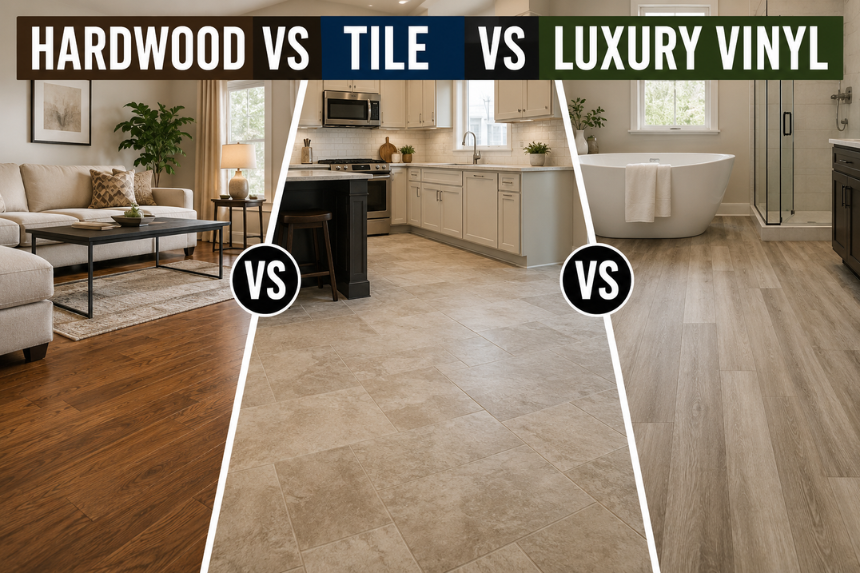
When you’re staring at flooring samples in a showroom or scrolling through endless online galleries, the decision feels bigger than it should. Your floors have to survive muddy boots, spilled coffee, playful pets, and the occasional dance party—all while looking beautiful for years. In 2026, three materials dominate the conversation: classic hardwood, durable tile, and the ever-improving world of luxury vinyl flooring. Each has loyal fans, and each comes with trade-offs that go far beyond price tags. The good news? There’s no universal “best” anymore—only the best fit for your lifestyle, budget, and home.
Hardwood Flooring: Timeless Warmth That Still Turns Heads
Hardwood remains the gold standard for many homeowners who crave authentic character. Real oak, walnut, maple, and hickory deliver rich grain patterns and that satisfying underfoot warmth no synthetic can fully replicate. In 2026, trends favor wider planks, matte and satin finishes, and deeper, earthier tones—think honey oak, chestnut, and rich walnut instead of the cool grays that dominated earlier in the decade.
Pros
- Natural beauty that ages gracefully and increases resale value
- Can be sanded and refinished multiple times (especially solid hardwood)
- Excellent sound absorption and warmth underfoot
- Timeless appeal that never goes out of style
Cons
- Higher upfront cost—often $6–$12+ per square foot installed
- Vulnerable to moisture, scratches, and dents (not ideal for kitchens or bathrooms without careful sealing)
- Requires regular maintenance like sweeping and occasional refinishing
- Not as stable in humid climates unless you choose engineered hardwood
Engineered hardwood has become a smart middle ground, offering better dimensional stability over concrete or in basements while still delivering that premium wood look.
Tile Flooring: Built for High-Traffic Durability
Porcelain and ceramic tile have long been favorites in kitchens, bathrooms, and entryways. In 2026, large-format tiles and realistic stone-look porcelain are trending, with warmer neutrals and subtle textures replacing glossy, plain finishes. Herringbone and chevron patterns appear more frequently, adding movement without feeling dated.
Pros
- Extremely durable and scratch-resistant
- 100% waterproof and easy to clean (perfect for spills and messes)
- Wide variety of colors, patterns, and textures
- Lower long-term maintenance if installed properly
- Fire-resistant and allergen-friendly
Cons
- Hard and cold underfoot (many pair it with rugs)
- Grout lines can stain or crack over time
- Can feel unforgiving if you drop a dish
- Installation is labor-intensive and heavier, which matters on upper floors
Tile shines in wet areas but often needs area rugs or radiant heating to feel inviting in living spaces.
Luxury Vinyl Flooring: The Modern All-Rounder
Once considered a budget compromise, today’s luxury vinyl plank (LVP) and luxury vinyl tile (LVT) have evolved into sophisticated performers. Advanced embossing, hyper-realistic wood and stone visuals, and rigid-core construction make them nearly indistinguishable from the real thing in many cases. Waterproof technology, cushioned backing, and easy click-lock installation have made LVP a favorite for busy households and DIYers alike.
Pros
- Highly water-resistant—great for kitchens, bathrooms, basements, and homes with pets or kids
- Soft and quiet underfoot with excellent sound dampening
- Affordable ($3–$7 per square foot installed in most cases)
- Scratch-resistant wear layers and low maintenance
- Wide range of styles, including wide planks and intricate patterns
- Faster and easier installation than hardwood or tile
Cons
- Quality varies widely—cheaper products can show wear faster or look artificial
- Not as easy (or possible) to refinish as real hardwood
- Some environmental concerns around PVC and recycling
- Can feel less “premium” in ultra-high-end homes if not chosen carefully
Head-to-Head Comparison: How They Stack Up in 2026
| Category | Hardwood | Tile | Luxury Vinyl |
| Initial Cost | High | Medium | Lowest to Medium |
| Durability | Good (with care) | Excellent | Very Good to Excellent |
| Water Resistance | Poor to Moderate | Excellent | Excellent |
| Comfort Underfoot | Excellent | Poor (hard/cold) | Very Good (cushioned) |
| Maintenance | Medium (sweeping, refinishing) | Low (grout care) | Very Low |
| Installation | Moderate to Difficult | Difficult | Easy (DIY-friendly) |
| Lifespan | 20–50+ years | 20–30+ years | 15–25+ years |
| Best For | Living rooms, bedrooms | Kitchens, baths, entries | Almost anywhere |
What Matters Most in 2026: Trends Homeowners Are Actually Following
This year’s buyers prioritize practicality over flash. Scratch resistance, easy cleaning, and long-term value top the list. Warm, natural tones and matte finishes dominate across all three materials. Sustainability is gaining ground—look for responsibly sourced hardwood, recycled-content vinyl, and low-VOC options. Homeowners also want floors that work with radiant heating, soundproofing, and busy family life.
Large-format materials (wide planks and big tiles) create a seamless, spacious feel. Patterned layouts like herringbone appear in hardwood, LVP, and tile alike. The biggest shift? People are choosing floors they won’t regret in five years—durable, low-maintenance options that still look elevated.
So, Which Flooring Wins in 2026?
It depends on your priorities—and that’s the honest answer.
- Choose hardwood if you want timeless beauty, warmth, and don’t mind the upkeep (or plan to stay long-term). It still wins for prestige and resale appeal.
- Go with tile for maximum durability in wet, high-traffic zones where nothing else feels tough enough.
- Pick luxury vinyl flooring when you want the best balance of style, performance, comfort, and value—especially if you have kids, pets, or a busy household. In 2026, improved technology has made LVP the practical winner for most homeowners who want beautiful floors without the headaches.
Many smart renovators even mix materials: hardwood in living areas, luxury vinyl in kitchens, and tile in bathrooms. The right choice is the one that matches how you actually live. For more expert insights and practical advice on all flooring types, explore Bob Vila’s comprehensive flooring resources. Ready to decide? Measure your space, consider your climate, budget, and daily routine. Visit showrooms, request samples, and walk on them barefoot. The perfect floor isn’t about following trends—it’s about creating a home that feels right every single day.