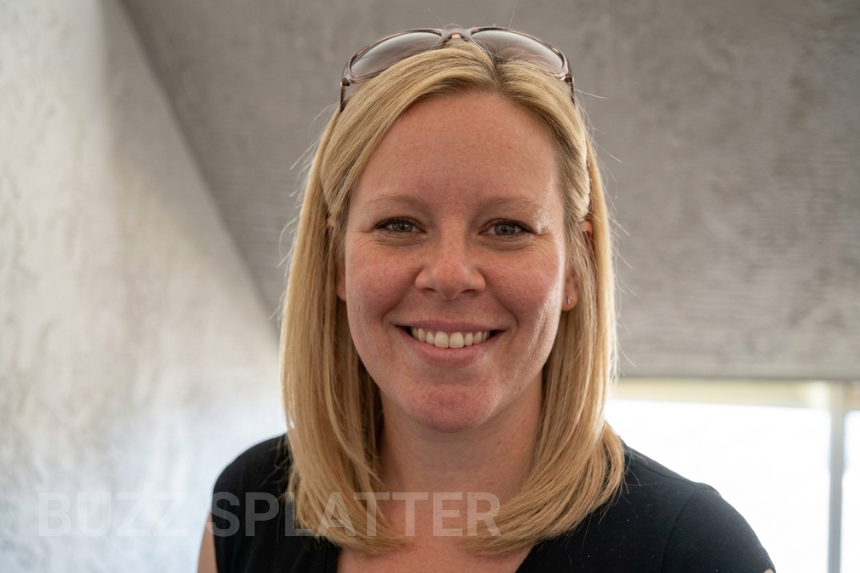
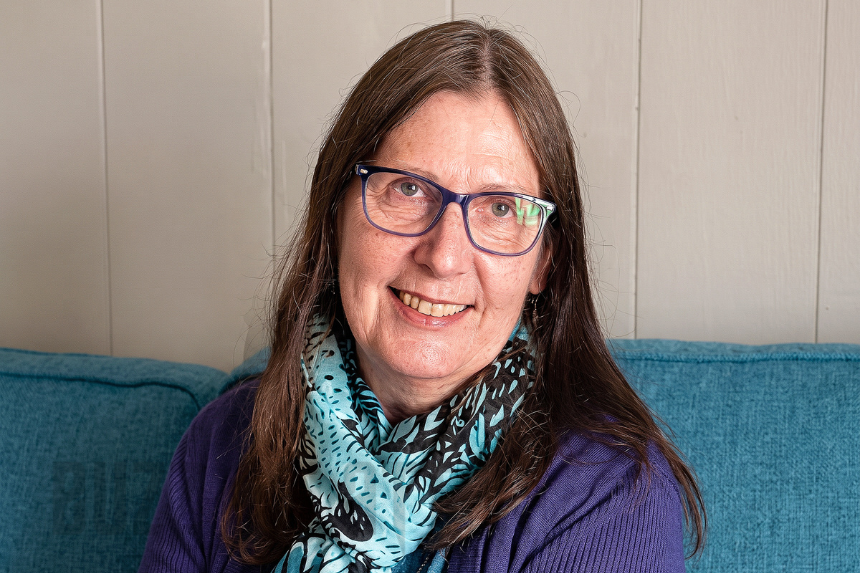
Deborah Whitaker, also known as Deborah Whitaker-Duncklee, is an American psychotherapist, screenwriter, and author whose career brings together psychology, historical storytelling, and creative media. Based in New Hampshire, she has spent decades exploring human behavior through both counseling and writing. Her projects range from inspirational books and historical screenplays to contemporary thrillers and animated television concepts.
Who Is Deborah Whitaker?
Deborah Whitaker is an American writer and former practicing psychotherapist known for combining psychological insight with creative storytelling. Her published work includes Looking Glass Sky, an inspirational book released in 1995, while her screenwriting credits and projects include The Widow’s Walk, Cocoanut Grove, and Climate.
She has also expanded into animation through Splash in the City, a series developed from her Playing in 3D in Splash City books. This project reflects her interest in using imagination and humor to examine social conformity and personal growth.
Early Life and Education
Whitaker graduated with a Master of Science degree in the counseling field, which supported her work as a psychotherapist. However, detailed information about her childhood, university education, and early professional training is limited.
One personal influence she has discussed is her family’s connection to music. Her grandfather reportedly worked as a professional singer and briefly toured with Tommy Dorsey’s big band. This family history helped encourage her appreciation for storytelling and creative expression.
Music, emotion, and personal experience later became important elements of her writing. Her interest in human behavior also developed through her clinical work, giving her a foundation for creating characters whose decisions are shaped by relationships, fears, and difficult circumstances.
A Career in Psychotherapy and Youth Counseling
Whitaker also worked with young people through Project Genesis in New Hampshire. In 2005, she participated in a media-literacy program that encouraged teenagers to explore communication and social issues through creative projects.
One of these efforts involved a documentary titled Rated PG: A Parody of Sex and Violence, produced with local teens. The project demonstrated how media production could be used to encourage discussion about the messages young people encounter in entertainment.
From Books to Screenwriting
Whitaker’s published writing career began with Looking Glass Sky, released by Jalmar Press in 1995. The book uses parables to explore self-love and personal understanding, drawing on themes connected to her counseling experience.
The publication established an early link between her psychological interests and creative ambitions. Rather than presenting personal development through clinical explanations alone, she used storytelling to communicate ideas about emotional growth in an accessible way.
Whitaker later moved toward feature-film screenwriting. Her scripts have explored historical events, environmental concerns, and speculative scientific ideas. These subjects gave her opportunities to combine research with character-driven narratives.
The Widow’s Walk: A Story of Courage and Leadership
Among Whitaker’s best-known screenwriting projects is The Widow’s Walk, a historical drama inspired by Mary Ann Patten, a real nineteenth-century woman associated with an extraordinary maritime episode.
The screenplay centers on a young, pregnant Mary who assumes command of a sailing ship after her husband becomes incapacitated. She must guide the vessel and its crew through dangerous conditions while confronting the practical and personal pressures of leadership.
The story offers an opportunity to explore courage, responsibility, and the expectations placed on women in a historical period when authority at sea was largely associated with men. By focusing on Patten’s experience, Whitaker developed a narrative built around a woman forced to demonstrate her abilities under extreme pressure.
The screenplay received encouraging feedback from industry professionals. Producer Dave Goetsch reportedly praised its dialogue, describing it as worthy of an Oscar-winning production. The project also attracted interest from development companies.
Despite that attention, The Widow’s Walk has remained unproduced according to the available biographical information. Its development history illustrates an important distinction in the film industry: a screenplay can receive positive feedback and attract interest without progressing to production.
The project remains a notable example of Whitaker’s interest in historical subjects and stories centered on determined female protagonists.
Other Screenplays: Cocoanut Grove and Climate
Whitaker has explored different genres through additional screenwriting projects.
Cocoanut Grove
Co-written with Kenneth Lawrence and Saul Wisnia, Cocoanut Grove is a period drama set around Boston’s devastating 1942 nightclub fire. The screenplay combines a romantic storyline with the historical tragedy, using the nightclub’s atmosphere of music and glamour as a backdrop to an event that transformed the lives of its patrons and affected the wider community.
Whitaker has described a personal connection between the project and her family’s musical background. The story also reflects her interest in finding hope and human meaning within tragic historical events.
Climate
Another project, Climate, is a thriller screenplay dated 2016. Its premise involves a geologist and soccer mother who becomes caught up in a dangerous geoengineering scheme connected to a solar storm.
The story combines scientific concepts with suspense, placing an ordinary individual in the middle of a high-stakes situation. This approach differs from Whitaker’s historical dramas but retains her interest in personal decisions under pressure.
Splash in the City and Independent Creative Work
Whitaker later expanded her work into animation through Splash in the City, a project she developed with Craig Cloutier. The series draws inspiration from her Playing in 3D in Splash City books and is associated with Splash City Studios, which she co-founded in New Hampshire.
The animated concept follows five women who attempt to bring color, creativity, and imagination back to a conformist city. Its premise uses a fictional setting to examine the pressures of conformity and the importance of individual expression.
The project combines comedy, drama, and elements of modern fable storytelling. It also allows Whitaker to explore social themes through a format different from historical screenplays and conventional thrillers.
Her work on Splash in the City demonstrates an ongoing interest in developing original stories across different media. However, a series concept, pilot, or development plan should not be confused with a fully released television production. Publicly available biographical information does not establish that the series has completed a commercial release.
Personal Life and Current Work
Whitaker is based in coastal New Hampshire and has kept many aspects of her personal life away from public attention. Biographical information indicates that she was previously married to a man named Chris, described as an artist and sailor. She has two daughters from that marriage and is now a grandmother.
Her former husband’s maritime background has been connected to the inspiration behind The Widow’s Walk. The relationship between personal experience and creative work is a recurring feature of her professional story, although not every detail of her private life is publicly documented.
Whitaker continues to be associated with writing, psychotherapy, and the development of Splash in the City. Her work reflects a continuing interest in women’s experiences, emotional resilience, and personal transformation.
What Makes Deborah Whitaker’s Career Distinctive?
Whitaker’s professional background brings together disciplines that offer different ways of understanding human experience. Psychotherapy emphasizes listening, emotional awareness, and behavior, while screenwriting requires conflict, structure, and compelling characters. Her work draws on both perspectives.
Her projects also demonstrate considerable range. Looking Glass Sky explores personal growth through parables, The Widow’s Walk examines leadership through a historical figure, Cocoanut Grove revisits a major tragedy, and Climate introduces scientific and environmental questions through suspense. Splash in the City extends those interests into animation and satire.
Conclusion
Deborah Whitaker’s career connects psychotherapy, publishing, screenwriting, and independent media development. Her clinical experience has influenced her interest in human behavior, while her creative projects have allowed her to explore historical courage, personal transformation, social conformity, and the consequences of difficult decisions.
From Looking Glass Sky to The Widow’s Walk and Splash in the City, her work reflects a consistent interest in stories that encourage audiences to look beyond surface appearances and consider the people behind the events.