Kansas City, Kansas, homeowners often ask a lot from a basement. It may serve as a family gathering place, storm-season retreat, workout room, laundry zone, or practical storage area. Before choosing a finished look, compare the surface against the room’s actual conditions. Durable basement floor coatings can be a practical option for concrete spaces that need easy cleanup and a more finished appearance.
Below-grade rooms require more planning than bedrooms or living rooms on upper floors. Concrete can feel cool underfoot, seasonal humidity can create condensation, and an uneven slab can complicate installation. The best floor is one that supports how the household uses the space while accounting for moisture, temperature, and maintenance.
Why Basement Flooring Needs Extra Planning
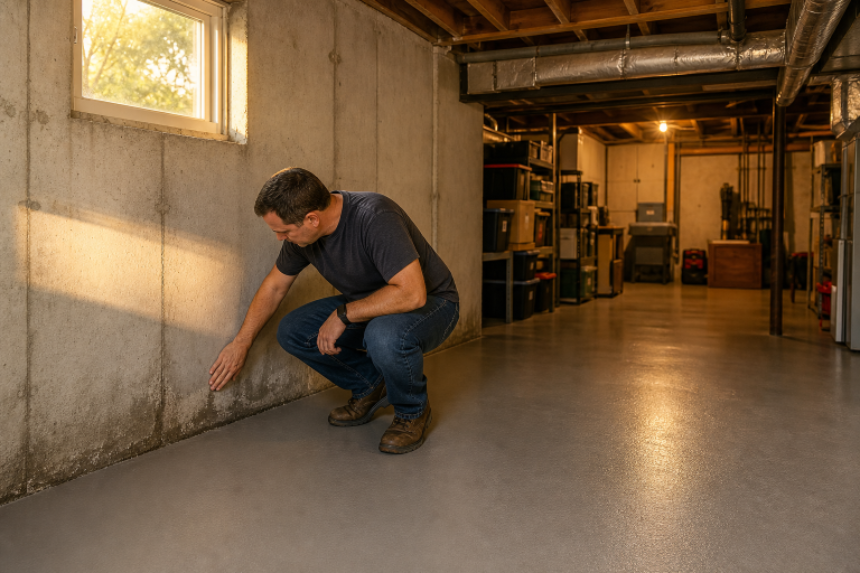
Kansas City weather can bring humid summers, cold winters, and periods of heavy rain, so a basement should be evaluated as part of the whole home. Musty odors, staining near walls, peeling paint, or damp corners are warnings that should be addressed before the flooring covers the evidence. A beautiful new surface cannot correct an active leak, poor exterior drainage, or recurring condensation.
Step One: Check for Moisture Problems
Start by inspecting floor joints, foundation walls, windows, plumbing connections, utility areas, and corners. Outside, check whether gutters are clear, downspouts discharge away from the foundation, and soil slopes away from the house. The EPA advises homeowners to control moisture by fixing leaks and drying damp materials promptly, which helps reduce conditions that support mold growth.
If the slab has a history of moisture but no active water entry, discuss preparation and product requirements before choosing a finish. For spaces that need a seamless, hard-wearing surface, an epoxy floor coating basement installation may suit the room, but it should never be used to hide a drainage problem or a leaking foundation.
Step Two: Match the Floor to the Room
- Family room: Favor comfortable footing, furniture stability, and easy cleaning after snacks, pets, and everyday activity.
- Bedroom: Prioritize warmth, softness, sound control, and a consistently dry environment.
- Home gym: Look for grip, shock reduction, and resistance to sweat, dropped equipment, and repeated use.
- Laundry area: Choose a surface that handles drips, detergent spills, and appliance access with minimal fuss.
- Storage space: Focus on durability, simple upkeep, and the ability to move shelves or bins without damaging the floor.
Common Basement Flooring Options
Luxury Vinyl Plank
Luxury vinyl plank offers wood-look styles and simple routine cleaning. It can work well in finished recreation rooms, but the slab must be smooth and dry enough for the chosen installation method. Poor preparation can leave seams, telegraphed imperfections, or movement over time.
Tile
Porcelain or ceramic tile is durable and handles spills well, making it useful in laundry rooms, bars, and entry areas. It can feel cold and hard, however, so area rugs or an appropriate insulating layer may make a Kansas City basement more inviting in winter. Grout also needs periodic cleaning and sealing when recommended.
Carpet
Carpet adds warmth, softness, and sound absorption for bedrooms and media rooms. It needs more caution over concrete because damp padding or carpet can hold odors and create a difficult cleanup after water exposure. In a basement with any recurring dampness, removable rugs over a moisture-tolerant floor may be the more flexible choice.
Engineered Wood
Engineered wood is built differently from solid hardwood and may offer more dimensional stability, but it is still a wood-based product. Careful moisture testing, proper underlayment, and strict adherence to manufacturer instructions are essential. It is not the right fit for every below-grade slab.
Sealed or Coated Concrete
Finished concrete can create a clean, modern floor with low routine upkeep. It works especially well in utility rooms, play areas, workshops, and multipurpose spaces where easy sweeping and mopping matter. Cracks, stains, weak concrete, and moisture conditions should be evaluated and repaired before applying a coating or sealer.
How Concrete Preparation Affects Results
- Remove old adhesive, loose coatings, dirt, and contaminants.
- Repair cracks, spalls, and damaged areas.
- Level uneven sections when the flooring system requires it.
- Test the slab for moisture before covering it.
- Select underlayment, adhesive, or vapor-control materials that fit the product requirements.
- Confirm that door clearances, stair transitions, drains, and utility access will still work.
Flooring is only one part of basement comfort. The Department of Energy notes that basement vapor retarders must be placed carefully so moisture is managed rather than trapped inside wall assemblies. Air sealing, insulation, drainage, and humidity control all influence whether the finished room stays comfortable.
Comfort, Temperature, and Indoor Air Quality
A bare slab transfers cold more readily than a framed floor, so material choice alone may not solve chilly feet. Rugs, suitable underlayment, insulation, and balanced heating can improve comfort. Run a dehumidifier when humidity remains high, and regularly check pipes, windows, and exterior walls for condensation. Absorbent finishes deserve prompt attention if they become wet.
Basement Flooring Mistakes to Avoid
- Installing new flooring before correcting water entry or drainage issues.
- Selecting carpet without assessing humidity and slab moisture.
- Ignoring cracks, uneven spots, or old adhesive residue.
- Choosing a color or trend without considering cleaning and daily traffic.
- Skipping manufacturer instructions for barriers, adhesives, or curing time.
- Forgetting the impact of pets, children, exercise equipment, and heavy furniture.
A Simple Comparison Checklist
- Is the basement consistently dry through rain and seasonal weather changes?
- Will the room be used every day or only occasionally?
- Does softness matter more than spill resistance and easy cleaning?
- Does the concrete need repair, leveling, or moisture mitigation?
- Can damaged sections be repaired or replaced without redoing the whole room?
Frequently Asked Questions
The right choice depends on moisture conditions, room use, comfort goals, budget, and the condition of the concrete slab.
Yes, in a dry, well-managed basement. Moisture testing and appropriate padding are important, and carpet is less suitable where dampness or condensation happens often.
Use a combination of appropriate insulation, underlayment, area rugs, humidity management, and heating. The visible flooring layer is only part of the solution.