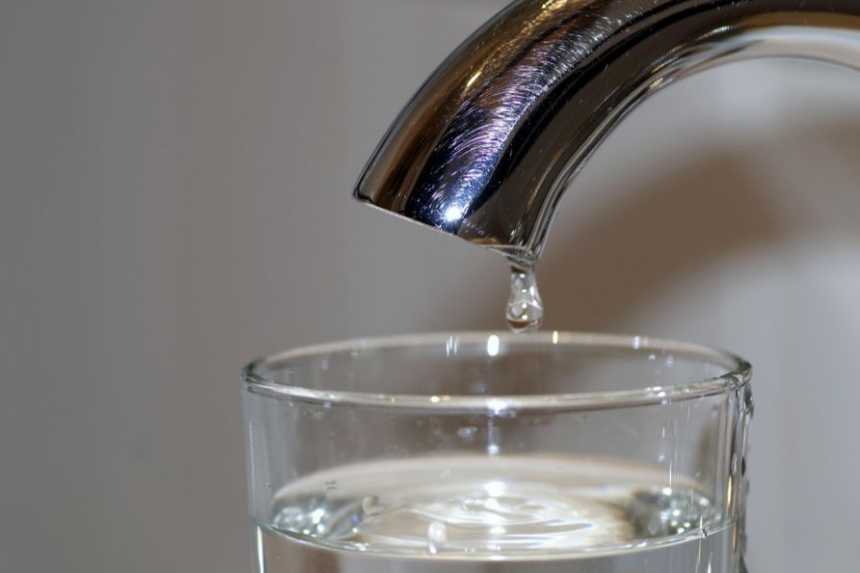
Water damage rarely starts with a dramatic burst pipe or a flooded basement. Most home water problems begin behind drywall, under floorboards, or beneath concrete slabs. A tiny drip can soak wood framing and insulation for months before a single drop hits the floor. Catching these quiet issues early saves thousands of dollars in repairs and keeps your family safe from mold.
Knowing what to look for turns any homeowner into an effective first responder for their plumbing system. Simple sensory checks, basic meter tests, and routine inspections reveal trouble long before structural damage sets in. You do not need expensive contractor gear to spot the earliest red flags in your house.
Watch For Unexplained Spikes In Your Water Bill
Your monthly utility statement acts as an early warning system for your entire plumbing network. Compare your current water usage in gallons or cubic meters against the same month from last year. Seasonal shifts like summer lawn watering or winter holiday guests explain normal jumps in consumption. A sudden spike without any lifestyle changes points straight to an active leak somewhere on your property.
Even a slow drip from a hidden supply line wastes hundreds of gallons every week. Reviewing your bill line by line each month helps you catch gradual increases before they spiral out of control. Keep a simple folder or spreadsheet of past bills so odd numbers jump right off the page.
Run A Simple Water Meter Test
Your municipal water meter tells the truth about water flow inside your home. Turn off every faucet, shower, washing machine, and dishwasher in the house. Make sure nobody flushes a toilet or uses the ice maker during the test. Locate your meter box near the street or in your basement and check the small leak indicator dial.
If that triangle or gear spins while all fixtures stay off, water is escaping your pipes. For digital meters, write down the exact reading and wait 2 full hours without using any water. When you suspect a hidden pipe issue after running this check, calling a Trusted Plumber helps pinpoint the exact source behind your walls. A change in number after 2 hours confirms a leak that demands immediate attention.
Check Walls And Ceilings For Discoloration
Drywall and plaster absorb moisture like a sponge long before water pools on your floor. Look up at your ceilings and scan the lower edges of your walls for faint yellow, brown, or copper rings. Water stains often start small and spread outward in uneven shapes. Fresh leaks may feel slightly cool or damp to the touch, while older stains leave behind dry, crusty borders.
Pay special attention to ceilings directly beneath upstairs bathrooms, laundry rooms, and kitchens. Gravity pulls leaking water down along joists and electrical wires, meaning the stain might appear several feet away from the actual pipe. Never paint over a mystery stain without finding and stopping the moisture source first.
Spot Bubbling Or Peeling Paint And Wallpaper
Trapped water behind a wall pushes outward against paint and wallpaper adhesive. When moisture builds up inside drywall, latex paint loses its grip and forms soft blisters or bubbles. Wallpaper seams often curl, lift, or darken along the edges when dampness creeps behind the paper.
Press gently against any bubbling paint with your thumb to see if the drywall feels soft or spongy. Firm drywall with peeling paint might just mean poor surface prep, while mushy drywall signals an active plumbing leak. Address these spots right away to stop rot from spreading into your wall studs.
Listen For Running Water When Fixtures Are Off
A quiet house at night offers the best chance to hear hidden plumbing trouble. Walk through your hallways, bathrooms, and basement after everyone goes to bed and listen near the walls. Hissing, dripping, or faint rushing sounds mean pressurized water is escaping from a pipe joint or valve.
Flooring materials also carry sound across rooms in surprising ways. A steady ticking noise behind a bathroom wall often comes from a hot water pipe expanding as water drips through a loose fitting. Trust your ears if a room sounds like a faucet is running when every handle sits tightly closed.
Follow Musty Odors To Hidden Moisture
Your nose often detects a hidden leak days or weeks before your eyes see a single stain. Standing water trapped inside dark wall cavities creates the ideal breeding ground for mold and mildew. That earthy, damp basement smell should never linger in an upstairs bedroom, hallway, or kitchen cabinet.
Sniff near baseboards, under sinks, and around floor vents where air circulates out of enclosed spaces. Air fresheners and scented candles only mask the odor while mold colonies continue to grow behind the drywall. Tracking down the strongest scent usually leads straight to the dampest spot in the room.
Inspect Floors For Warping And Soft Spots
Flooring reacts quickly when water pools beneath the surface layer. Hardwood planks cup upward at the edges, buckle in the middle, or develop dark black stains between the boards. Laminate flooring swells and separates at the seams when moisture seeps into the fiberboard core.
Vinyl and linoleum floors pose a different clue by curling at the corners or feeling spongy underfoot. In tiled bathrooms, loose tiles or crumbling, darkened grout lines around the tub and toilet often point to water seeping beneath the subfloor. Walk barefoot across your floors once a month to feel for sudden temperature changes or soft dips.
Test Your Toilets With Food Coloring
A silent toilet leak can waste up to 200 gallons of water every single day without making a sound. Worn rubber flappers inside the tank let water trickle steadily into the bowl, forcing the fill valve to cycle on and off. Remove the porcelain tank lid and drop 10 drops of dark food coloring into the tank water.
Wait 15 minutes without flushing the toilet, then look closely inside the bowl. If colored water appears in the bowl, your flapper seal has failed and needs replacement. Replacing a $10 flapper takes less than 5 minutes and stops one of the most common household water leaks.
Examine Under-Sink Cabinets And Appliances
Cabinets beneath kitchen and bathroom sinks hide dozens of threaded connections, supply hoses, and drain traps. Clear out cleaning supplies and trash cans every few months to inspect the cabinet floor with a bright flashlight. Look for water rings, warped particleboard, green corrosion on copper valves, and white mineral crust on fittings.
Pull out your refrigerator, dishwasher, and washing machine at least twice a year to check behind them. Braided supply hoses and plastic ice maker lines crack and loosen from constant appliance vibration. Catching a slow drip behind a fridge saves your kitchen subfloor from rotting out unseen.
Look For Signs Of Slab Leaks
Homes built on concrete slabs have main water supply lines running directly beneath the foundation. When a pipe bursts or corrodes under concrete, water forces its way upward through tiny cracks in the slab. Watch for these warning signs of a slab leak:
- Warm spots on tile floors
- Sudden drop in water pressure
- Unexplained damp carpet edges
- Cracks appearing in foundation walls
- Sound of rushing water underground
Hot water lines under a slab create noticeable warm patches on ceramic tile or bare concrete. Stepping onto a warm spot in the middle of a cold hallway floor is a classic sign of an underground leak.
Check Your Water Heater And Basement Piping
Water heaters hold 40 to 80 gallons of pressurized water and sit out of sight in basements or utility closets. Inspect the base of the tank for rust streaks, damp concrete, or puddles around the drain pan. Check the temperature and pressure relief valve pipe on the side of the tank to make sure it stays dry.
Walk along your basement ceiling with a flashlight and trace every exposed copper, PEX, or PVC pipe. Tiny green droplets hanging from copper joints or damp spots on wooden floor joists indicate slow leaks above. Keeping your basement clutter-free makes spotting fresh drips much easier.
Use Simple Tools For DIY Leak Detection
Modern hardware stores sell affordable tools that help homeowners pinpoint moisture without cutting holes in drywall. Pinless moisture meters press flat against a wall and measure dampness levels deep inside building materials. Smart leak detectors sit under sinks or near water heaters and send instant phone alerts the second water touches their sensors. Keep a basic leak kit in your utility closet:
- Bright LED flashlight
- Pinless digital moisture meter
- Smart Wi-Fi water sensors
- Food coloring for toilets
- Absorbent paper towels
Wiping a dry paper towel along suspect pipes and fittings reveals slow weeping leaks that your fingers might miss.
Protect Your Home With Routine Leak Checks
Regular inspections turn hidden water leaks from major disasters into minor weekend fixes. Walk through your home once a season to check under sinks, test toilets, read your water meter, and scan ceilings for fresh stains. Small habits protect your property value, lower your monthly utility bills, and keep mold out of your living spaces.
Looking for more tips and ideas? We’ve got you covered. Check out some of our other posts now.