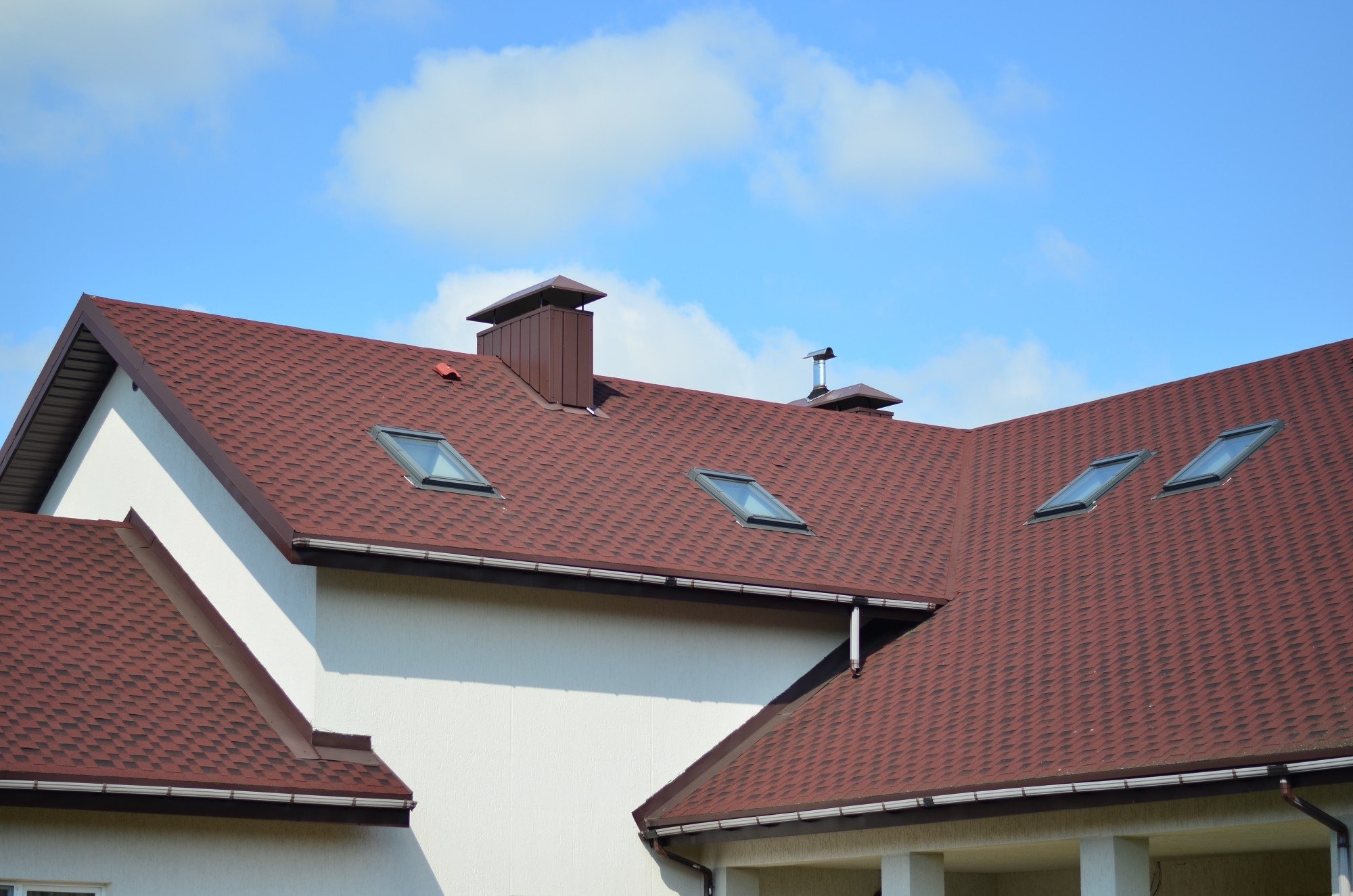
Flat roofs need strong protection from rain, standing water, harsh sunlight, and seasonal storms. Built-up roofing has protected homes and commercial buildings for many years. Its layered design creates a strong barrier against water and weather damage. Understanding how this system works can help you choose the right roof for your property.
What Is Built-Up Roofing?
Built-up roofing uses several layers of fabric and hot asphalt to create a strong, waterproof surface. Many property owners choose tar and gravel roofing because it offers solid protection and handles regular foot traffic.
The top layer usually contains gravel or crushed stone. This material protects the asphalt from direct sunlight and harmful UV rays. It also helps prevent early wear and surface damage. Heavy gravel keeps the roofing layers in place during strong winds. As a result, the roof can handle many common weather challenges.
A Long History of Reliable Performance
Built-up roofing has a long history in both commercial and residential construction. It remains a popular choice because of its simple design and proven results.
One industry publication reports that built-up roofs have more than 100 years of reliable use across North America. This long history gives property owners confidence in the system. Many contractors also trust it because it has performed well in different climates.
The design is not new, but it still offers useful benefits. Its multiple layers create a thick barrier that helps keep water out. This makes it a practical option for many flat and low-slope buildings.
How the Roofing Layers Work
A built-up roof starts with a strong structural deck. This deck supports the full roofing system and provides a stable base.
Crews often place heat-resistant perlite insulation boards over the deck. They then apply roofing felt sheets that have been soaked in hot bitumen. These sheets form several layers across the roof surface.
Each layer adds strength and protection. A commercial roofing contractor explains that the bonded materials create a thick seal against rain and severe weather.
The final step involves adding another coat of hot bitumen. Workers then spread crushed stone or pea gravel across the warm surface. The gravel sticks to the asphalt and forms a protective outer layer.
Expected Lifespan and Weather Protection
One major benefit of built-up roofing is its long service life. With proper installation and regular care, these roofs can last for decades.
An educational resource places the expected lifespan between 20 and 25 years. Other home improvement sources report that well-built systems can last up to 30 years. Roofing industry experts also note that regular maintenance helps roofs reach the higher end of this range.
The gravel surface plays an important role in this performance. It blocks much of the sun’s direct heat and UV exposure. This helps protect the asphalt from drying, cracking, and early wear.
The many layers also add strength. Together, they help the roof resist rain, wind, and everyday weather changes.
Final Thoughts
Regular inspections and quick repairs can also make a major difference. With good installation and proper care, a built-up roof can protect your building for many years. It offers a practical balance of strength, durability, and long-term value. Make sure to check out the rest of our articles.