A vehicle app can look precise while getting facts wrong. One delayed sync, weak GPS signal, or shared account can place a car in the wrong spot or record the wrong time. That small digital error may create a large problem during a crash review, especially when the app seems to disagree with damage, witnesses, or road evidence.
An auto accident lawyer may compare the app record with other sources before drawing any conclusion. Modern cars collect useful data, but useful does not always mean accurate. Here is how incorrect app information can shape an investigation and why context matters.
What Vehicle Apps Can Record
Connected car apps may collect more information than drivers expect. An app may show trip times, routes, speed, sudden braking, battery use, door activity, fuel levels, or warning alerts. Some connect with navigation tools or family accounts.
These records can help build a timeline, but they are not created in the same way. One app may update live, while another uploads information later. Some details come from the car, while others come from the phone. That difference can affect accuracy.
Why the Data May Be Wrong
App records can become unreliable for simple reasons. Weak mobile service may delay updates. Poor GPS signals can place the vehicle on a nearby road. An outdated app may display old information after a crash.
Phone settings can cause confusion. A wrong time zone, disabled location service, low battery mode, or lost connection may change what appears in the account. Shared vehicles create another problem because the app may show activity without identifying the driver.
How Incorrect Data Can Change the Investigation
Investigators may compare app records with the driver’s account, police notes, damage, and witness statements. If the app shows a different route, time, or speed, it can create doubt. That does not mean the driver gave false information. The app may be incomplete or delayed.
A wrong timestamp could make it seem that a vehicle reached a location earlier than it did. A GPS error could place the car on another street. A delayed speed update might show a number that does not match the seconds before impact.
What Happens When the App Conflicts With Physical Evidence
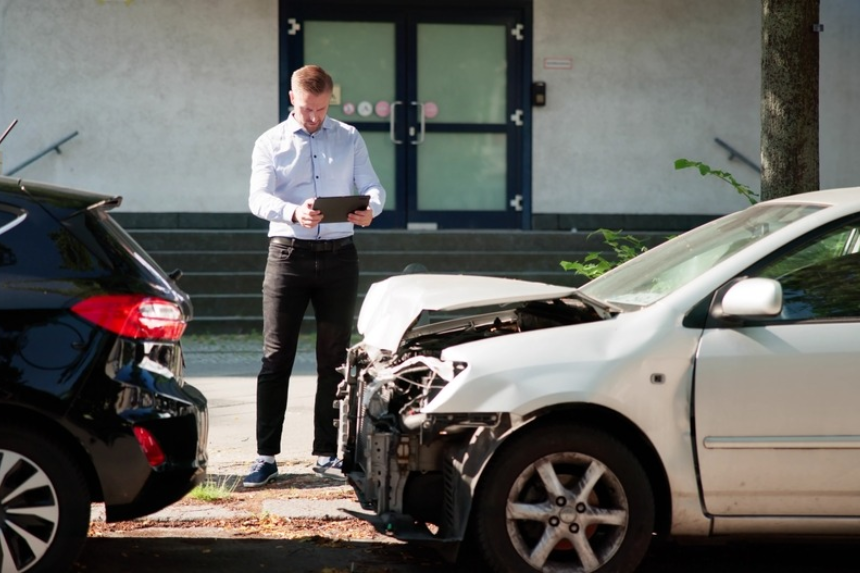
Physical evidence tells another part of the story. Tire marks, broken parts, impact points, road debris, and vehicle position may not match the app record. Witnesses or camera footage may also place the car elsewhere.
A mismatch should lead to closer review rather than a quick conclusion. The app may have used an old location, rounded the speed, or failed to sync. Investigators may examine how the system collected the data and whether it came from the phone, vehicle, or remote server.
Other Digital Records That May Help
Vehicle app data is only one source. Other records may support or challenge it, including:
- Event data stored by the vehicle
- Phone location history
- Navigation activity
- Dashcam footage
- Traffic camera video
- Business security recordings
- Call and message timestamps
These records can help test whether the app’s timeline is reasonable. They may also show that the app updated after the event instead of during it. Matching sources provide a clearer picture than one screenshot.
Questions That Test App Accuracy
The original data matters more than a simple image from a phone screen. Useful questions include whether the app was linked to the correct car, whether the account was shared, whether the phone had signal, and when the app last synced.
It may also matter whether the software had recently updated or the user changed settings. Investigators may compare the app record with the vehicle’s internal system. A difference can show that one record was delayed, incomplete, or connected to the wrong device.
Why Screenshots Can Be Misleading
Screenshots can leave out account names, date ranges, settings, and later updates. They may capture a screen after the app refreshed, making the record look newer than it was. A cropped image can remove details that explain how the data was created.
The original digital record may include timestamps, device information, login history, and sync details. Those facts can help show whether the information was accurate at the time of the crash or changed later.
Conclusion
Incorrect vehicle app data can influence a car accident investigation because it may appear to challenge a driver’s account. Still, app information should not be treated as perfect proof. Its source, timing, settings, and connection history all matter.
An auto accident lawyer can review the digital record alongside physical damage, witness accounts, camera footage, and vehicle data. The strongest conclusions usually come from several sources that support one another. A full professional review may be needed because each app, vehicle, crash, and data system works differently during the final review.