The phrase “Jonesboro Child Fight Club” has emerged as a chilling shorthand for a deeply troubling incident in Arkansas. In recent months, the city of Jonesboro, Arkansas, has been rocked by shocking allegations involving a so-called “child fight club” allegedly operated within a private educational institution. The incident stirred national debate about child safety, oversight in education, and the responsibilities of school leadership.
This article aims to unpack what happened, explore the facts of the case, analyze community reactions, and consider the broader implications for parents, schools, and policymakers.
1. What Happened in Jonesboro
In April 2025 in Jonesboro, Arkansas, investigators uncovered a case that prosecutors described as a “makeshift child fight club.”
According to court documents:
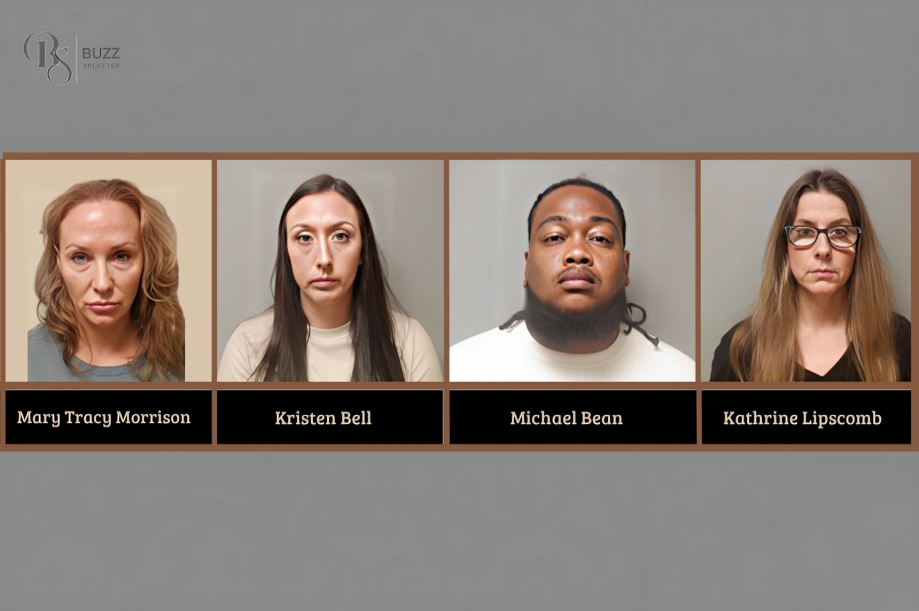
A private‑school director, Mary Tracy Morrison (owner/director of the school) and three other school staff members were charged with permitting child abuse.
A student was allegedly placed in the centre of a circle of other students and adults, while being instructed to be hit, kicked, choked and verbally berated. The director allegedly gave a “high five” to a student who choked the victim, and encouraged other students to physically assault the child.
The incident lasted about 30 minutes and included a teacher instructing a student to hit another “in the private area.”
The school in question is associated with the Delta Institute for the Developing Brain and the Engage Program in Jonesboro.
The defendants have been subject to no‑contact orders and high bonds; legal proceedings are ongoing.
In short: the “Jonesboro child fight club” is shorthand for an alleged orchestrated scene of child‑on‑child violence, overseen and encouraged by adults in a school environment.
Who Was Involved & What We Know
Key Individuals Involved
The case involves several adults associated with the school:
| Name | Role |
| Mary Tracy Morrison | School director, alleged ringleader |
| Kathrine Lipscomb | Teacher, alleged participant |
| Michael Bean | Staff member, alleged participant |
| Kristin Bell | Staff member, alleged participant |
The school reportedly had received more than $300,000 in voucher funds, raising concerns about oversight and accountability.
Context & Background
The investigation was triggered by a parent’s report to the Craighead County Sheriff’s Office that her child had been subject to abuse both physically and mentally. Authorities obtained video and audio evidence via search warrant.
FOIA documents later showed that the school had received more than $300,000 in voucher funds for the 2024‑2025 school year, despite being housed in what appears to be a modest facility.
How the Case Came to Light
The situation was first brought to the attention of authorities by concerned staff members and potentially parents who questioned unusual behaviors and bruising among students. Investigators say they gathered testimony and corroborated evidence pointing to the systematic nature of the fights and the troubling involvement of trusted adults, including the school’s highest leadership.
Why the Term “Child Fight Club” is Used
The label “child fight club” is not literal in the sense of an underground boxing ring, but reflects the nature of this incident: children being encouraged to assault another peer in a looped or orchestrated setting, under adult supervision, for disciplinary or behavioural “training” reasons. The prosecuting attorney used that phrase explicitly in court.
Key reasons the term stuck:
- The presence of a circle of students surrounding a victim and actively using violence.
- Adult encouragement or instruction of the violence rather than the children acting entirely independently.
- A setting within a school‑environment, making it ring particularly alarming for broader societal concerns about safety, oversight and child welfare.
The term serves as a shorthand to highlight how egregious, unusual and concerning the situation is.
Implications for Child Welfare, Education & Oversight
Child Welfare & Psychological Impact
The long‑term psychological effects for victims of such orchestrated violence can be severe. Children who are physically assaulted, publicly shamed, or coerced into violent acts often face trauma, diminished trust in authority, and potential behavioral or emotional issues. While we do not have full case‑detail outcomes yet, the risk is high.
Education and School Oversight
The case raises questions about how schools (especially private/alternative schools) accepting public or voucher funds are overseen. In this case, state education officials were criticised for lack of due diligence.
Mandated reporters (such as licensed teachers) are legally required to intervene or report suspected child abuse; the alleged failure of staff to do so is using one of the core allegations.
The incident highlights the necessity of transparent video‑monitoring, proper staff training, and clear escalation channels within schools serving vulnerable populations (e.g., children with special educational needs). The school involved claimed to serve children with autism or traumatic brain injury, raising further concerns about vulnerability.
Legal and Policy Ramifications
The charges include permitting child abuse and contributing to the delinquency of a juvenile, underscoring that adult supervision of misconduct can itself be criminal.
The school’s funding and operations may face review or sanctions; voucher programmes and alternative educational models may come under increased scrutiny.
The case can set precedent for how similar incidents are treated across other jurisdictions, especially in terms of accountability for school leadership.
What We Still Don’t Fully Know
While considerable detail has been reported, some gaps remain:
- The full number of children involved, both perpetrators and victims.
- The exact nature of disciplinary policies at the school; whether this was a one‑off incident or part of a pattern.
- The outcomes for the child victim(s) in terms of medical or psychological care, and longer term recovery.
- The complete status of the school’s licence, accreditation and funding following the incident.
These unknowns mean the incident should prompt investigation and reform rather than complacency.
Lessons and Recommendations for Schools, Parents and Policymakers
For Schools & Educators
Train All Staff Thoroughly: Ensure that every member of your team, teachers, aides, and volunteers is trained to recognize signs of abuse, intervene appropriately, and report concerns immediately.
Implement Clear Anti-Violence Policies: Develop and communicate strict policies that prohibit any form of peer-on-peer violence. Emphasize that staff and leadership must actively prevent or stop harmful behavior.
Use Monitoring and Oversight Systems: Incorporate surveillance, activity logging, third-party monitoring, or other transparent review mechanisms to discourage misconduct and maintain accountability.
Prioritize Protection for Vulnerable Children: Pay special attention to students with special needs or behavioral challenges, and provide extra safeguards to ensure their safety and well-being at all times.
For Parents & Guardians
Understand School Discipline Policies: Take the time to learn how the school handles discipline. Ask specifically about policies on peer-on-peer violence, supervision practices, access to video footage, and reporting procedures.
Maintain Open Communication with Your Child: Talk regularly with your child about their experiences at school. Ask whether they feel safe, if they’ve witnessed any concerning behavior, or if they’ve ever been pressured to do something wrong.
Know Your Rights as a Parent: In many areas, you are entitled to request video footage, raise concerns with licensing or regulatory agencies, and request an independent review of incidents.
For Policymakers & Oversight Bodies
Ensure Robust Oversight of Voucher and Alternative School Programs: Schools receiving public or voucher funding must be held to the highest standards. Funding should come with strict auditing, comprehensive safety protocols, and clear accountability measures. The Jonesboro case, where over $300,000 in voucher funds were awarded without proper vetting, highlights the urgent need for such oversight.
Enforce Mandated-Reporting Laws: Adults working with children, whether teachers, aides, or volunteers, must take an active role in reporting abuse. Passive inaction is unacceptable, and failure to report should carry meaningful consequences.
Promote Transparency and Public Accountability: Records of investigations, funding allocations, and licensing decisions should be openly accessible. Transparency ensures that abuses are identified quickly and prevents similar incidents from being concealed.
Why This Incident Should Matter to All of Us
Large educational scandals can feel distant—until they expose how easily children can be failed. The Jonesboro child fight club incident brings that reality into sharp focus.
Schools should be safe spaces, especially for children with developmental or emotional vulnerabilities who depend on adults for protection. When those adults enable or ignore harm, the consequences deepen and trust breaks at its core.
The case also highlights a critical oversight gap. Private, alternative, and voucher-based schools often operate with less transparency and external scrutiny than public institutions, allowing misconduct to go unnoticed for too long.
This incident is bigger than one school. It connects to wider failures in child protection, disability support, mental-health care, and institutional accountability. These issues surface only when damage is already done.
The lasting impact is a loss of trust—between parents, children, and the systems meant to safeguard them.
Public outrage matters, but reform matters more. Stronger oversight, mandatory transparency, and proactive child-protection measures must become the standard across all educational settings.
Jonesboro should not be another headline we move past. It should be a turning point—one that ensures this never happens again.
Conclusion
The “Jonesboro child fight club” represents a disturbing convergence of violence, authority failure, and institutional oversight breakdown. While the legal process is still underway, the incident already sends a clear message: we must demand more from our schools, from educators, and from the systems funding and regulating them.
For children, safety and dignity must be non‑negotiable. For educators, the responsibility to protect cannot be half‑hearted. For society, the commitment to oversight cannot fade once funding is approved.
By examining this case carefully, what happened, why it happened, and how we can stop it from happening again, we can move from shock to action.
FAQs About Jonesboro Child Fight Club
The Jonesboro Child Fight Club refers to an alleged incident in Jonesboro, Arkansas, where children were reportedly coerced into violent acts under adult supervision at a private school.
The incident came to light in April 2025, after a parent reported suspected abuse to local authorities.
According to court documents, a student was placed in the center of a circle and instructed to be hit, kicked, and verbally abused. Adults allegedly encouraged the violence, including acts of choking and hitting private areas.
The term reflects the orchestrated nature of the violence: children were encouraged to attack a peer under adult supervision, forming a circle of abuse similar to a “fight club” scenario.
Yes, FOIA documents revealed that the school had received over $300,000 in voucher funding, raising questions about oversight and accountability.
Schools should train staff on abuse recognition, implement strict anti-violence policies, monitor student interactions, and ensure transparent reporting systems.
Parents should understand school discipline policies, maintain open communication with their children, know their rights to request information and video footage, and report concerns to authorities when necessary.
It emphasizes the importance of transparency, accountability, and proactive child protection measures in all educational settings. Adults must actively safeguard children rather than enable or ignore harm.