Owning an electric vehicle changes how you think about refueling, and the convenience of charging at home quickly becomes a priority. A home setup can save time and make daily routines easier, yet the installation process requires careful planning. Small details can affect performance, cost, and long-term usability. This article explains what to consider before installing an EV charger. Each section focuses on practical points that help you make informed decisions and set up a system that works smoothly.
Choose The Right Charger Type For Your Needs
Selecting the correct charger is the first step in the process. Many homeowners explore options like JuiceBox smart EV charger installation to understand what fits their setup. Chargers vary in speed, power requirements, and compatibility with different vehicles.
Level 1 Chargers
These use standard outlets and provide slower charging suitable for light use.
Level 2 Chargers
These require dedicated circuits and offer faster, more efficient charging.
Understanding these options helps you choose a system that aligns with your daily driving habits.
Check Electrical Capacity Before Installation
Your home’s electrical system plays a key role in supporting an EV charger. It is important to confirm that your panel can handle the additional load.
If your system lacks capacity, upgrades may be required before installation. This step ensures that the charger operates safely and efficiently. Reviewing electrical capacity early helps avoid delays and unexpected costs. It also ensures that your setup remains reliable over time.
Consider Placement For Convenience And Safety
Placement affects how easy it is to use your charger. The location should allow comfortable access while keeping safety in mind. In most cases, installing the charger near your parking area reduces the need for long cables. Proper placement also protects the equipment from weather exposure. A well-chosen location improves daily usability and ensures that charging remains simple and efficient.
Understand Installation Costs And Requirements
Costs can vary depending on the complexity of the installation. Factors such as wiring, permits, and labor all contribute to the final expense.
Basic Installation
This includes standard setup with minimal electrical adjustments.
Advanced Setup
This may involve panel upgrades or additional wiring work.
Knowing these details helps you plan your budget and avoid surprises. It also ensures that the installation process moves forward without unnecessary delays.
Professional Expertise Ensures Proper Setup
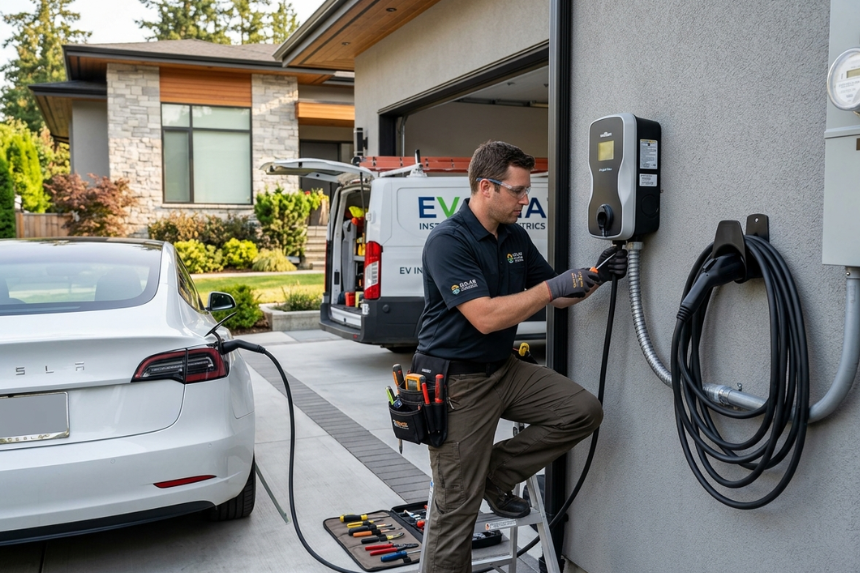
Working with experienced professionals helps ensure that the installation meets safety standards. They understand how to handle electrical systems and follow local regulations. Professionals can assess your home and recommend the best setup for your needs. Their guidance reduces the risk of errors and improves overall performance. This approach ensures that your EV charger works efficiently and remains safe for daily use.
Plan For Future Needs And Flexibility
Installing an EV charger is a long-term decision, so it helps to think ahead. Your charging needs may change as your usage patterns evolve. Choosing a system with flexible features allows you to adapt without major upgrades. Many homeowners consider options like JuiceBox smart EV charger installation when looking for systems that offer smart controls and scalability. Planning for future needs ensures that your setup remains useful as your requirements grow.
Installing an EV charger becomes easier when you focus on the right details from the start. Charger type, electrical capacity, placement, and professional support all play a role in creating a reliable setup. Each step helps improve convenience and long-term performance. When you explore options like smart EV charger installation, you gain a clearer understanding of what works best for your home. With proper planning, your charging system can support your daily routine with ease and efficiency.