A strong home starts with a solid cover overhead, and every homeowner wants that cover to stay reliable through changing weather. In Cuyahoga County, storms, snow, wind, and seasonal shifts can place steady pressure on shingles, flashing, gutters, and other exterior parts. When damage appears after a covered event, insurance support may help reduce the financial burden. Still, many property owners feel unsure about which issues may qualify for a claim. This article explains common types of damage that may qualify for help and shows why a careful inspection matters before the claim process begins.
Storm Impact That Leaves Visible Roof Damage
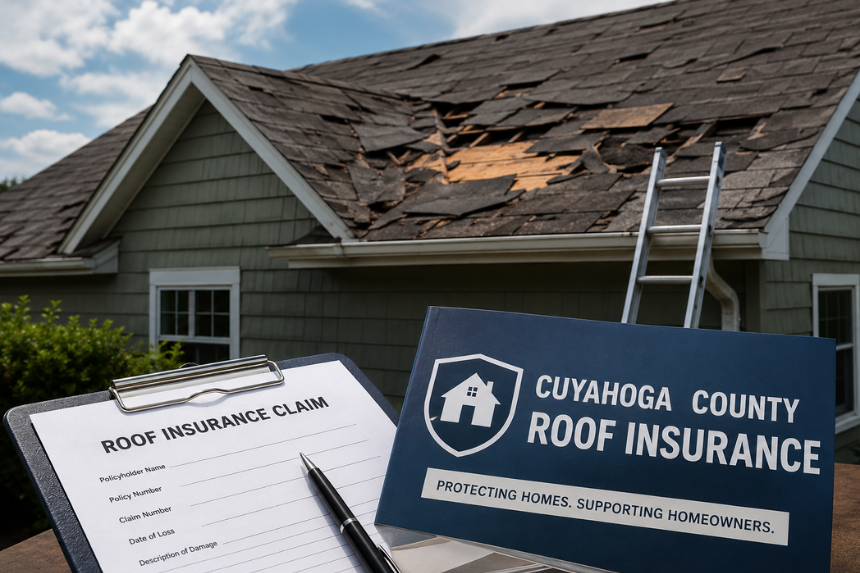
Strong storms can move through Cuyahoga County with sudden force, and they may leave clear marks on a home’s exterior. Homeowners who explore Cuyahoga County roof insurance after severe weather should keep records, request a professional inspection, and avoid delaying the review. High winds can lift shingles, loosen ridge caps, and expose the lower layers that protect the structure.
Hail can also create dents, cracks, or bruised areas that reduce the life of roofing materials. Some marks may look small from the ground, yet a trained professional can identify the full pattern of impact. When this happens, water may find a path inside and cause interior stains or soft spots.
Wind Damage That Weakens Protective Layers
Wind does more than remove loose materials during a heavy weather event. It can bend shingles backward, break seals, and leave edges open to future moisture problems. Even when the roof still appears complete, lifted sections may no longer provide proper defense.
In Cuyahoga County, wind-related damage can appear after spring storms, late-season weather shifts, or fast-moving cold fronts. Insurance adjusters usually look for evidence that the harm came from a specific covered event rather than age alone. Clear photos, inspection notes, and repair estimates can help explain the condition with greater accuracy.
Water Intrusion After Covered Events
Water damage may qualify for support when it is connected to a sudden event, such as wind-driven rain entering through storm-created openings. Once moisture passes the outer surface, it can affect attic insulation, drywall, ceilings, and wood framing. The first visible sign may be a stain, but the source may sit far above that area.
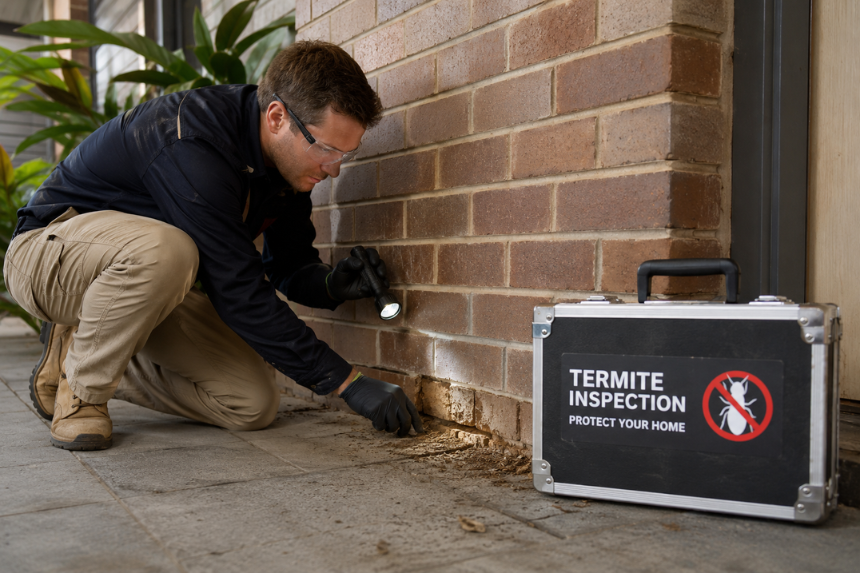
A professional inspection helps trace the path of water and confirm how it entered the home. This step matters because insurance decisions depend on cause, timing, and documentation. When property owners act soon after discovering a leak, they give themselves a stronger chance to show the connection between the event and the damage.
Fallen Debris and Structural Surface Harm
Tree limbs, heavy branches, and wind-blown objects can strike a roof during harsh weather. A large branch can break shingles, damage decking, or bend gutters. Smaller debris may still cause punctures, loosen flashing, or create areas where water can enter.
This type of damage may qualify for insurance support when the cause relates to a covered incident. Homeowners should treat debris impact seriously because hidden problems may spread under the outer layer. A licensed inspection can confirm the extent of harm and help prepare useful documentation for a Cuyahoga County roof insurance claim.
Roof damage can start with one missing shingle, one hail mark, or one water stain, yet the real issue may reach deeper than it first appears. Careful documentation, prompt inspections, and clear evidence help homeowners present their case with confidence. Knowing which types of damage may qualify for support allows property owners to protect their homes with better direction and less confusion.