Human Capital Management (HCM) software is redefining the way organizations manage their workforces. Businesses are leveraging advanced technology to streamline HR operations, making them more efficient while enhancing employee engagement and satisfaction. Today, digital transformation touches every aspect of the workforce, and selecting HCM software for HR teams is a critical move that modern HR leaders must consider in order to keep pace with industry-wide changes and regulatory demands.
With HCM solutions, companies gain access to unified tools that automate repetitive tasks, manage payroll, improve recruitment processes, and provide valuable data-driven insights. These features help organizations not only reduce administrative overhead but also develop more strategic HR initiatives. The evolving workforce, rising demand for hybrid work, and a focus on employee well-being make adopting robust HCM systems imperative for long-term success.
The changing nature of work also brings new priorities, such as personalized employee experiences and agile talent development. Implementing the right HCM platform can help organizations foster a culture of innovation, improve retention, and drive overall productivity. As HCM solutions integrate with emerging technologies and adapt to new business models, forward-thinking companies are prioritizing digital platforms that offer scalability and flexibility.
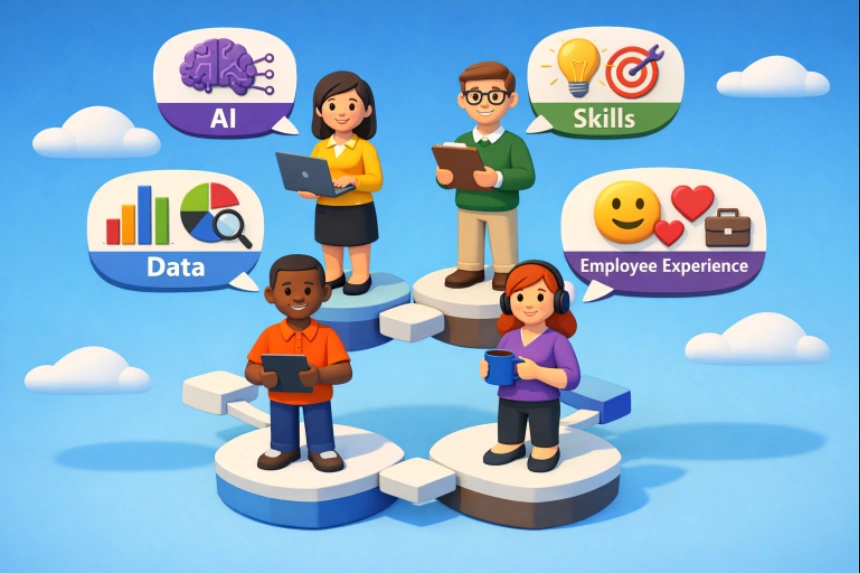
This comprehensive guide explores how the integration of Artificial Intelligence, skills-based talent management, employee experience tools, and data analytics within HCM platforms is propelling HR into a new era. It also addresses the challenges organizations face and highlights the trends that will define the future of human resources.
AI Integration in HCM
Artificial Intelligence (AI) is now a core feature of leading HCM systems. By automating repetitive tasks such as candidate screening, resume sorting, and scheduling, AI allows HR professionals to focus on higher-value activities like talent development and strategic planning. Predictive analytics also helps HR leaders forecast workforce needs, identify skill gaps, and make objective hiring decisions. A recent analysis from the Information Services Group projects that by 2027, up to two-thirds of medium-to-large enterprises will demand AI-enabled HCM capabilities, signaling a significant shift toward smarter automation.
Moreover, AI-driven chatbots and virtual assistants embedded in HCM suites facilitate instant responses to employee queries, boosting efficiency for HR help desks and improving service levels for employees. These intelligent tools can assist with policy clarification, benefits navigation, and even routine HR transactions without the need for direct human intervention, freeing up HR teams for more strategic projects. As these technologies mature, their ability to personalize employee interactions and derive actionable insights from high volumes of workforce data will continue to grow, further strengthening the value AI brings to HCM ecosystems.
Skills-Based Talent Management
Shifting away from traditional job titles and hierarchies, modern HCM software supports skills-based talent management. This approach lets organizations identify, utilize, and develop core competencies across their workforce, which in turn aligns employee strengths with business goals. Instead of fitting people into rigid roles, organizations are using these platforms to create agile teams based on skills and potential. As a result, companies can move employees into the positions where they will have the greatest impact and encourage continuous learning. Recent studies show that unified, skills-based platforms are transforming HR by prioritizing employee adaptability and business agility.
Additionally, skills mapping capabilities offered within modern HCM platforms make it easier to visualize internal talent pools and succession planning. Organizations can identify critical skills gaps, foster mentorship programs, and prepare for future business needs more proactively. With dynamic skills inventories, HR departments can launch targeted upskilling initiatives and learning paths, ensuring teams remain competitive and prepared for changing market demands.
Enhancing Employee Experience
HCM platforms today are designed with the employee journey in mind. Personalized learning modules, flexible benefits administration, detailed onboarding processes, and AI-assisted feedback tools contribute to a seamless and interactive work environment. Enhanced self-service features empower employees to manage their own career progression, time-off requests, and workplace preferences. Companies that focus on employee-centric digital experiences generally report higher satisfaction and improved retention rates. For example, new AI-powered platforms are enabling HR teams to quickly respond to employee needs, drastically reducing the frustration associated with manual systems and outdated platforms.
Furthermore, streamlined communication tools and transparent access to performance metrics enhance trust and engagement between employees and managers. Through built-in surveys, feedback mechanisms, and recognition programs, organizations can regularly gauge and elevate workplace morale. This ongoing focus on positive employee experiences supports better employer branding and aids in attracting top talent in a competitive hiring environment.
Data-Driven Decision Making
Advanced analytics embedded in HCM solutions provide actionable insights into workforce trends, such as employee turnover, engagement levels, and productivity metrics. Real-time dashboards and reporting modules enable HR leaders to make informed, evidence-based decisions that closely align with strategic organizational objectives. Using historical and predictive data, organizations can proactively address workforce challenges and optimize talent strategies. The growing importance of integrated data highlights that effective HCM depends on leveraging information at every stage of the employee lifecycle.
Actionable analytics not only assist with daily decision-making but also support long-term strategic planning. By leveraging these insights, HR teams can identify emerging workforce trends and shifts in employee sentiment before they impact productivity. The ability to visualize comprehensive data across departments helps leadership shape effective diversity initiatives, optimize total rewards strategies, and forecast future headcount needs. For large organizations, analytics serve as a unifying tool to drive organizational alignment and ensure transparency in decision processes.
Challenges in HCM Adoption
Although HCM software provides numerous benefits, organizations often encounter obstacles in the adoption process. Integration with legacy infrastructure can be complex and require specialized expertise. Data security and privacy also remain significant concerns, especially for companies managing large volumes of sensitive personal information. Adequate user training and change management programs are necessary to encourage adoption and usage of the new platform. Recent industry analyses underscore the importance of strategic planning and stakeholder buy-in to overcome these hurdles and fully realize the promise of digital HR management.
On top of technical and security challenges, organizations must also address cultural resistance to change. Employees and managers may be hesitant to adopt new digital workflows, so communication campaigns and ongoing support are vital for successful system rollouts. Over time, demonstrating quick wins and sharing success stories can promote confidence in new HCM technology and drive higher utilization rates across all business functions.
Future Trends in HCM
Looking ahead, the future of HCM will be shaped by increased adoption of AI-driven analytics, skills-based talent frameworks, and smarter employee experience tools. The evolution of these platforms will also coincide with a greater emphasis on data privacy, regulatory compliance, and seamless integration across organizational silos. Forward-thinking organizations will continue to invest in platforms that champion diversity, equity, and inclusion, as well as digital learning opportunities. Staying informed about the latest advancements will be essential for HR teams seeking to remain competitive in an ever-changing workforce marketplace.
Another anticipated trend is the rise of mobile-first HCM platforms, enabling HR teams and employees to easily access workflows, data, and communications on the go. As flexible work arrangements and remote work become the norm, these accessible platforms will be crucial for ensuring connectivity and real-time collaboration. The next era of HCM will also witness increased investment in well-being and mental health modules, supporting organizations in cultivating holistic, future-ready workplaces.
Conclusion
HCM software is a transformative force reshaping the landscape of human resources. By leveraging powerful automation, comprehensive analytics, and employee-centric tools, organizations can streamline their HR operations, foster a culture of innovation, and drive long-term business success. As the future of work continues to evolve, the role of robust HCM systems will become ever more crucial in managing the complexities of a diverse, dynamic workforce.