
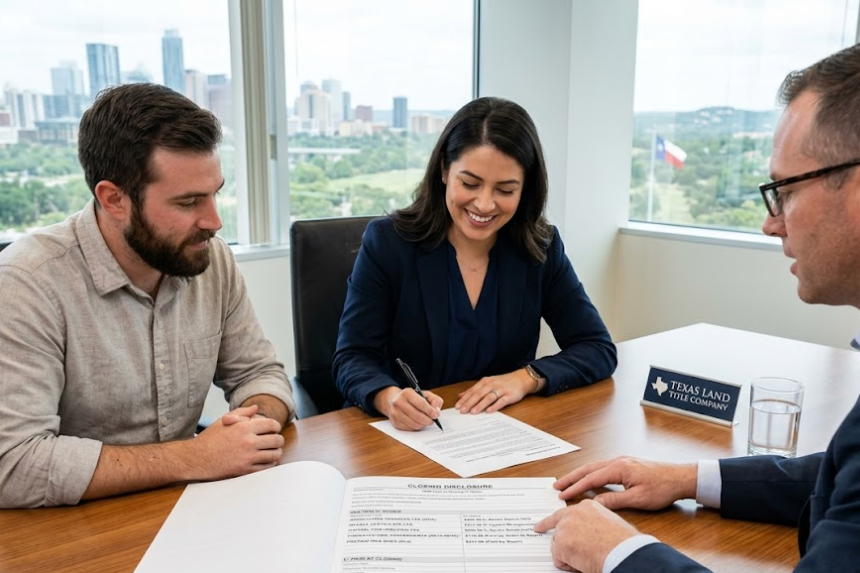
When navigating a home sale or purchase in Texas, understanding how Homeowners Association (HOA) fees are distributed at closing can prevent unexpected financial hurdles. Whether you are familiar with HOA obligations or new to community living, knowing who pays what is vital to a smooth transaction. For a detailed discussion focused on Houston, check out Who Pays HOA Fees At Closing in Houston TX.
HOA fees can significantly impact your bottom line during a home sale or purchase. Fees may vary based on location, property type, and the specific terms outlined in the sales contract. Knowing what to expect allows both buyers and sellers to negotiate confidently, minimize friction at closing, and budget accurately for their next move.
Since fees and responsibilities can vary by community and even by transaction, it is important to communicate clearly and rely on expert guidance. Savvy buyers and sellers can often negotiate certain costs, but others are tied to legal requirements or long-standing customs. For more resources about selling homes quickly and efficiently in Texas, visit https://www.sellmyhousefasthoustontx.com/.
Understanding HOA Fees
Homeowners Association fees are recurring or occasional payments required by the association that manages the shared spaces and amenities in your community. These fees typically fund landscaping, common area maintenance, recreational facilities, security, and community events. In addition to regular monthly or quarterly assessments, there may be special assessments for major repairs or capital improvements, as well as administrative fees for home sales.
For buyers, HOA fees are a long-term commitment. For sellers, they represent a key detail to address at closing. Both parties should review the HOA’s governing documents before closing. The fees and the services they cover can vary widely from one community to another, so clear documentation and disclosure are vital.
HOA Fees Typically Paid by Sellers
In most Texas transactions, sellers are responsible for a set of HOA-related closing costs. The most common fees paid by sellers include:
- Resale Certificate Fee: Texas law requires sellers to provide a resale certificate containing vital HOA information, such as the association’s financial condition, bylaws, current dues, and any outstanding balances. Sellers usually pay for this certificate, with costs generally ranging from $100 to $300, though they can vary by association size and management company. For example, the Dominion HOA charges $300 for a resale certificate.
- Transfer Fee: The transfer fee is paid to the HOA or its management company to process and record the change in property ownership. This administrative fee can range between $200 and $600, depending on the association, and is standard practice in many Texas HOAs. For instance, some associations charge a $225 transfer fee.
Both of these fees are usually non-negotiable and are stipulated in the purchase and sale agreement. Sellers should confirm the exact amounts needed early in the process to avoid last-minute surprises.
HOA Fees Typically Paid by Buyers
Buyers also face some potential HOA-related fees at closing, which can include:
- Working Capital Contribution: Many HOAs require buyers to make a one-time payment to bolster reserves for future repairs and unexpected expenses. This contribution is separate from monthly dues and is usually equivalent to two to three months of assessments.
- Move-In Fees: To cover the administrative processing and support for new residents, some associations charge buyers a move-in fee. These fees vary widely but are often less than $500.
Buyers should request a full accounting of all HOA dues and additional fees in advance and budget accordingly. Depending on the association, some fees may be negotiable or shared with the seller through closing negotiations.
Prorated HOA Dues
A central aspect of any Texas real estate transaction involving an HOA is how dues are prorated at closing. If the seller has paid the HOA dues in advance (e.g., for a month or quarter), the buyer will reimburse the seller for their portion from the closing date to the end of the paid period. This approach ensures fairness, so each party pays dues only for the days they own the property. If the dues are unpaid at closing, responsibility usually shifts to the buyer, but this should be spelled out in the contract.
Negotiating HOA Fees
While certain HOA-related fees are typically assigned to either buyers or sellers, these allocations are not set in stone. The purchase agreement can specify who pays for which items, enabling customized agreements tailored to market conditions or property requirements. In a buyer’s market, for instance, sellers may agree to absorb more of the costs to facilitate a faster sale. Conversely, buyers eager for a specific property may be willing to take on a greater share of the expenses.
Negotiating these fees early and clarifying all terms in writing helps both parties avoid conflicts or delays at closing. Consulting with an experienced real estate agent or attorney is highly recommended to ensure fair and transparent cost handling.
Legal Considerations
Texas law mandates the delivery of a resale certificate before closing, providing buyers with all critical HOA information. This legal requirement is designed to protect buyers from unforeseen debts and clarify ongoing obligations. The Texas legislature updates HOA regulations over time, so staying current on rules affecting fee transparency and allocation is crucial.
Preparing for Closing
Thorough preparation prevents most issues with HOA fees at closing. Buyers and sellers should:
- Request and review all relevant HOA documents promptly to identify all applicable fees and rules.
- Agree in writing, preferably in the purchase contract, on how all HOA fees and dues will be allocated.
- Involve knowledgeable real estate professionals or legal advisors when questions arise about the HOA or specific fees.
Proactive communication and clear documentation at every stage of the transaction can smooth the path to a successful, stress-free closing.
Conclusion
Managing HOA fees at closing in Texas requires understanding local customs, adhering to legal requirements, and negotiating the best terms. By addressing these responsibilities early and working closely with qualified real estate experts, buyers and sellers can ensure a smooth transaction and minimize costly surprises. Stay informed, communicate proactively, and document all agreements to keep your home sale or purchase on the right track.