Coastal towns face salty air and changing shorelines. Building near the ocean means making smart choices that protect local habitats. Modern builders use eco-friendly methods to create strong and lasting homes.
These homes can handle high humidity and harsh coastal winds and protect nearby nature. Sustainable building preserves coastal communities for future generations.
Continue reading to discover everything you need to know!
Coastal Design Meets Climate Reality
Modern coastal building focuses on long-term strength and local needs. Students who are considering living near UCSB want to see sustainable housing projects. These projects combine care for the environment with practical living spaces.
Architects design homes to withstand strong ocean storms and saltwater erosion. Solid foundations keep houses stable during high tides. Simple building plans reduce waste during construction.
Salt air can damage traditional building frames. Smart designs use protective wraps and rust-resistant metals to help buildings last longer. These features reduce the need for frequent repairs.
Sustainable Materials Shaping Shoreline Architecture
Choosing the right materials helps buildings stand up to coastal air. Traditional materials can break down quickly when exposed to ocean salt. Modern eco-builders choose products that look good and last for years.
Designers use eco-friendly materials in luxury seaside homes. Reclaimed wood, bamboo, and recycled glass offer style. Sustainable materials lower landfill waste and the energy needed to make new products.
Key green materials for coastal homes include:
- Reclaimed timber
- Fast-growing bamboo
- Recycled glass tiles
- Non-toxic sealers
Choosing green materials protects nearby ecosystems. Buying local products also reduces transport miles and vehicle emissions. Local suppliers can provide strong materials suited to coastal weather.
Contractors choose safe indoor finishes. Low-VOC paints release fewer harmful chemicals into the air.
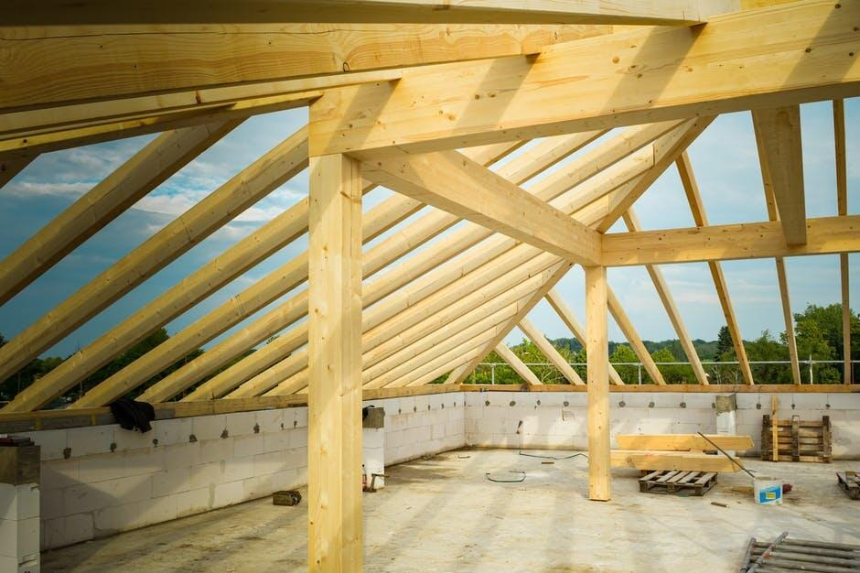
Recycled steel frames resist rot and damage from salty ocean fog. Timber can support heavy loads and produce less carbon than some other materials.
Smart Water Management
Saving fresh water is a necessity for coastal communities. Stormwater can carry pollution into the ocean if it is not managed well. Good drainage systems protect marine life and reduce beach erosion.
Modern stormwater systems collect rain before it reaches street drains. Some homes direct roof water into planted areas. The plants filter the water before it flows into underground storage basins, and this process keeps harmful pollutants away from the shore.
Native plants support these drainage systems. Their deep roots absorb extra water during heavy winter rains. Better drainage protects water quality and the wildlife that depends on it.
Permeable pavers let rain soak into the soil. Careful land grading directs excess water away from doors and entrances.
Energy Efficiency Along the Pacific Coast
Coastal homes face changing temperatures. Good insulation helps reduce energy use throughout the year. Clean energy systems can lower a home’s power needs.
Strict energy standards guide many modern building plans. Passivhaus principles continue to gain ground in home design.
They focus on airtight buildings and strong insulation. Sealed walls and windows prevent air leaks caused by coastal winds.
Solar panels use coastal sunlight to power daily household needs. Home batteries store extra power for cloudy days and foggy mornings. These systems can lower energy bills and reduce reliance on the power grid.
Build a Greener Future for Coastal Communities
Coastal living keeps changing as green building methods grow. Builders make homes that help ocean habitats and save resources. Smart choices today can help protect seaside towns.
Good building protects shores and helps daily life. Towns get cleaner water and lower energy bills too. Green design gives us a clear way to a better coastal future.
Want to learn more? Visit our website.