Introduction
Workplace risk can be hard to manage when rules, testing, and site conditions all move at once. That is where HSE Australia becomes useful. It supports organisations with practical health, safety, ty and work health services, from hazard reviews to testing and advice. If you need a clearer HSE management system, this guide shows what to expect and where expert support fits.
Understanding HSE in the Australian Context

HSE Australia means health, safety, and environment. It covers how organisations protect people, manage site risks, and handle environmental duties through practical compliance services.
For businesses in South Australia and beyond, this matters in mining, manufacturing, defence, and healthcare. Auditors, consultants, and workforce health assessments help solve problems others find difficult. The next sections break this down.
What HSE Means for Workplaces in Australia
HSE in the Australian context means managing health, safety environment risks in a structured, practical way. It is not only paperwork. It is about identifying hazards, measuring exposure, and making sure workers and visitors are protected.
For many sites, this includes workforce health assessments, hygiene sampling, and on-site reviews. In mining or industrial settings, assessors may check dust, noise, air quality, or fit testing needs before risks become incidents.
That matters because compliance obligations can be complex across industries. A business may know a risk exists, yet still needs technical help to prove what the exposure is and what action should come next.
Key Differences Between Safety, Health, and Environment Compliance
Safety, health, and environment are linked, but they are not the same. Safety often focuses on immediate harm. Health looks at longer-term exposure. The environment deals with how site activities affect the surrounding area and materials.
A simple way to separate them is:
- Safety: physical risks, site controls, and incident prevention.
- Health: occupational hygiene, fit testing, and exposure to hazardous substances.
- Environment: environmental science, sampling, and material handling.
In practice, one job can involve all three. For example, asbestos inspection may raise worker safety issues, health concerns from fibres, and environmental handling duties. That is why businesses often look for strong accreditations and ISO-aligned processes.
The Role of HSE Consultants for Australian Businesses

Many organisations bring in external experts when internal teams need technical support or a second view. Good consulting helps turn a complex risk into a clear action plan.
HSE Australia does this through auditors, assessors, and a proud team of versatile scientists. That mix supports a stronger HSE management system and builds the trust of our clients across Australia.
How HSE Consultants Drive Safer Workplaces
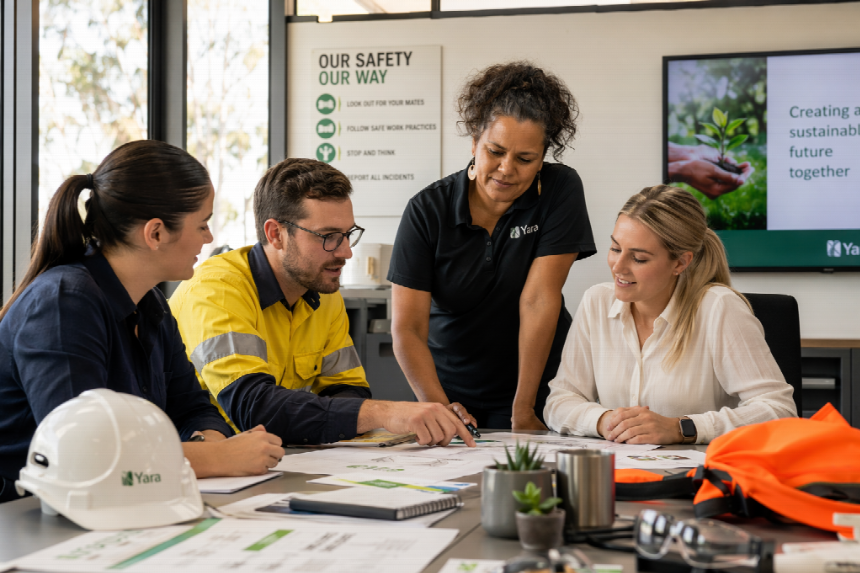
HSE consultants help by finding what a busy site may miss. They review hazards, inspect work areas, and explain what needs to change. For many businesses, that outside view speeds up decisions.
A practical consulting process often includes:
- auditors reviewing site conditions and records
- assessors carrying out sampling or inspections
- fit testing and workforce checks where PPE performance matters
This improves an HSE management system because actions are based on measured conditions, not guesswork. If your team is unsure whether controls are working, a consultant can test that on-site and give you a clear next step.
Real-World Example: Assessing Hazards in Industrial Settings
Imagine an industrial site where workers report dust, noise, and concern about old wall panels. That is a common pain point: you know there may be workplace hazards, but you need proof, priority, and action.
Auditors and assessors may respond with a targeted risk assessment covering air, noise, and material sampling. If asbestos is suspected, this can lead to asbestos inspection, asbestos testing, and laboratory analysis.
Core Services Offered by HSE Australia
HSE Australia provides four main compliance services: occupational hygiene and hazard assessment, workplace health and safety support, asbestos management and analysis, and workforce health assessments. These services combine consulting, sampling, and testing.
That range matters for sectors such as course manufacturing, mining, construction, defence, and healthcare. Instead of using several providers, organisations can access practical support through one team.
Workplace Risk Assessments and Auditing
If you want to improve health and safety in your Australian business, start with a direct answer: carry out a proper risk assessment, then verify controls through auditing and testing. That gives you facts, not assumptions.
HSE Australia supports this with compliance services that include site inspections, hazard reviews, and workforce screening. In mining and industrial work, this may also include spirometry testing, audiometric screening, and PPE checks.
A useful example is a remote site with mixed contractors and changing tasks. Auditors can review the actual work area, check if controls match the job, and help you close gaps before they turn into incidents or delays.
Environmental Management and Consulting Services
Environmental services support better environmental performance when a site handles dust, waste, or hazardous substances. This is where environmental science and technical analysis become important, especially when conditions are unclear.
HSE Australia brings practical support through:
- sampling and analysis of suspect materials
- asbestos management planning and reporting
- specialist input informed by forensic chemistry, where needed
A detail many pages skip is speed. Fast turnaround on sampling and reporting helps businesses act sooner, especially during shutdowns, refurbishments, or urgent asbestos inspection work. For asbestos testing Adelaide clients, the head office and in-house capability add useful flexibility.
Conclusion
In conclusion, understanding HSE Australia is key to maintaining a safe and compliant workplace. Prioritising health, safety, and environmental regulations not only ensures compliance but also boosts productivity and employee well-being. Working with HSE consultants offers tailored insights for continuous safety improvement. Workplace safety goes beyond legal requirements—it’s about building a culture that values health and safety at every level. Ready to improve your safety measures? Contact us for a free consultation and see how we can help you create a safer work environment.
What regulations govern HSE in Australia?
Australian HSE work is shaped by OHS and WHS requirements, along with site-specific compliance obligations. In South Australia and other states, businesses often also use ISO-based systems and accredited processes to manage health safety duties in a practical, consistent way.
What should an HSE management plan include?
A useful HSE management system should include risk assessment, clear responsibilities, site controls, testing needs, reporting steps, and emergency preparedness. Many organisations also use compliance services to check whether the plan works on-site and supports effective HSE management.
How can businesses improve health and safety outcomes?
Businesses improve results by identifying workplace hazards early and checking controls with occupational hygiene support. Practical steps include fit testing, reviewing PPE use, and carrying out workforce health checks so workplace health decisions are based on measured conditions rather than guesswork.