
Laurence Grigorov is a Johannesburg-based residential property developer, construction executive, and engineer who has spent decades overseeing high-end residential projects across South Africa. Since 2004, Laurence Grigorov has served as a director of a luxury residential development and construction company, managing projects that range from bespoke homes and apartment complexes to large-scale luxury estates. His responsibilities span land acquisition, financing, zoning, architectural design, construction, and marketing. With an academic background in mechanical engineering from the University of the Witwatersrand and a postgraduate diploma in business management from Wits Business School, he brings both technical and business expertise to residential development. Through his work creating living environments, he has observed how thoughtful design and architecture influence the way people experience comfort, functionality, and well-being in the spaces they occupy.
How Architecture Contributes to Mental Health and Well-being
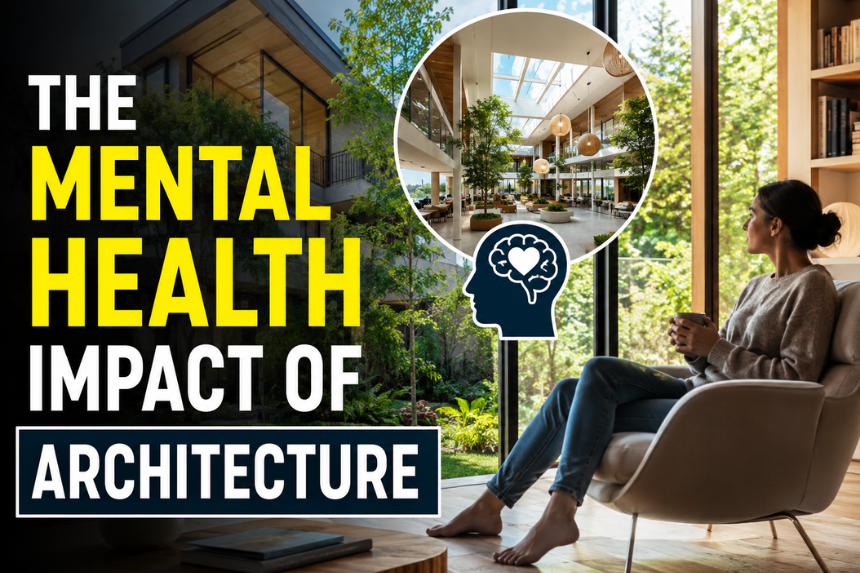
The role of architecture transcends providing shelter or determining how a building’s structure should look. Architecture shapes how people feel, interact, and think. The physical environments people inhabit, such as homes, workplaces, hospitals, parks, and schools, significantly impact their emotional resilience, social behavior, and psychological well-being. Studies in environmental psychology and neuroarchitecture indicate that well-designed spaces can help reduce anxiety, support recovery from illness, foster a sense of safety and belonging, and improve mood.
Architecture plays a key role in determining how much natural light enters a space. Exposure to daylight helps regulate circadian rhythms, increase energy levels, and improve mood, and has been linked to lower rates of depression. Design features such as large windows, skylights, and daylight-filled atriums allow light to penetrate deeper into buildings, positively influencing sleep quality, focus, and hormonal health. Incorporating biophilic elements like green walls, gardens, and indoor plants further enhances mental well-being.
Spatial layout, sensory comfort, and acoustics are also architectural elements that contribute to mental health. Open and well-ventilated spaces often create a sense of freedom and clarity, reducing feelings of confinement and frustration, particularly for people with clustropphobia. Cramped or noisy environments can raise stress levels and worsen anxiety. Similarly, thoughtful acoustic designs, such as sound-absorbing materials, traffic-free areas, and quiet zones, can facilitate mental relaxation and cognitive focus.
Architectural designs that incorporate moderate visual complexity through varied shapes, colors, forms, and textures can stimulate interest and concentration. In contrast, monotonous or harshly rigid environments may have a negative impact on mental well-being.
Buildings designed with wellbeing in mind, especially in healthcare and residential settings, have therapeutic effects. Therapeutic architecture emphasizes how spaces that prioritize safety, daylight, and comfort reduce patients’ stress. Hospital care homes and wellness centers that adopt this architectural style often report better outcomes for their residents.
Architecture can play a meaningful role in creating safer communities by shaping how people move, see, and interact within shared spaces. When environments are designed with principles such as good lighting, clear sightlines, and active public areas, people naturally feel safer and more aware of their surroundings. These design choices reduce opportunities for crime and help build healthier, more connected neighborhoods where residents feel comfortable and confident in their daily activities.
Accessibility and inclusivity are also central to thoughtful architectural design. When buildings include ramps, wider doorways, adaptable rooms, and tactile guidance, they allow people of all ages and abilities to move independently and with dignity. Universal design not only serves people with disabilities; it creates environments where everyone can fully participate in work, education, and community life.
Well-designed environments influence the emotional and social fabric of communities by encouraging interaction and reducing isolation. Spaces that invite people to gather, relax, and connect foster stronger relationships and enhance a sense of belonging. Human-centered design considers factors such as noise, comfort, cultural context, and sensory experience, helping to create environments that support mental balance and encourage positive social engagement.
As people spend most of their lives indoors, the impact of architecture on mental and emotional well-being continues to grow. Natural elements, thoughtful spatial layouts, and designs that prioritize comfort and clarity can significantly improve daily life. When architects place human wellbeing at the center of their work, they create spaces that enrich people’s lives in meaningful and lasting ways.
About Laurence Grigorov
Laurence Grigorov is a Johannesburg-based director of a residential property development and construction company specializing in luxury residential projects. Since 2004, he has overseen developments ranging from bespoke homes and apartment complexes to large-scale estates. Educated in mechanical engineering at the University of the Witwatersrand and business management at Wits Business School, he combines engineering expertise with business leadership experience across property development, construction, manufacturing, and engineering.