The Platform Is Part of the Purchase
Overspending does not always begin with a bad budget. Sometimes it begins with a beautifully designed screen. A person opens an app to relax for a few minutes, scrolls through outfits, home ideas, recipes, makeup routines, room makeovers, gift guides, or travel clips, and suddenly a product feels urgent. Nothing about that moment looks like traditional shopping, but the platform has already moved the person closer to buying.
That is what makes certain platforms so powerful. They do not simply show products. They create a mood around products. They make buying feel like joining a lifestyle, solving a problem, or keeping up with a moment before it disappears. While offers such as Macy’s cash back can be beneficial, thee surrounding platform can still shape how much they want, how quickly they act, and how little friction they feel before checkout.
Spotting platforms that encourage overspending means looking beyond the product itself. The real question is not only, “Do I want this?” It is also, “What is this platform doing to make me want it right now?”
The Pain of Paying Gets Quiet
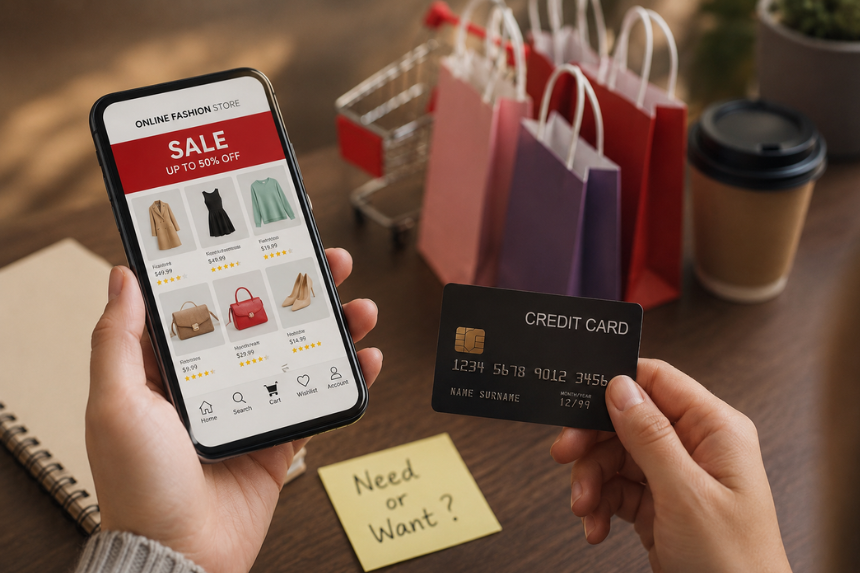
One of the clearest signs of an overspending friendly platform is that paying does not feel like paying. The easier checkout becomes, the less time your brain has to register the cost. Saved cards, one tap checkout, buy now buttons, in app shopping, digital wallets, and automatic shipping details all reduce the pause that used to happen before a purchase.
That pause matters. Taking out a wallet, typing card information, or reviewing a cart gives you a moment to reconsider. When platforms remove those steps, the buying process feels more like reacting than deciding.
The Federal Trade Commission’s online shopping guidance encourages shoppers to compare sellers, review policies, keep records, and understand what information a site or app collects. Those steps are harder to remember when a platform turns shopping into a fast, emotional tap. If the checkout path feels almost invisible, that is a signal to slow down on purpose.
Visual Platforms Sell the Feeling First
TikTok, Instagram, and Pinterest are strong examples because they are highly visual. They show products already placed inside a story. A lamp is not just a lamp. It is part of a cozy apartment. A dress is not just a dress. It is part of a confident weekend. A kitchen gadget is not just a tool. It is part of becoming more organized, creative, or efficient.
That visual context is persuasive because people often buy the imagined version of themselves that comes with the product. The platform shows the result before the buyer has even considered the cost, storage space, quality, or real need.
This is different from searching for a product directly. When you search, you usually begin with intention. When you scroll, the product finds you while your guard is lower. That makes visual platforms especially good at turning casual attention into desire.
FOMO Makes Waiting Feel Risky
FOMO, or fear of missing out, is one of the most common emotional triggers behind overspending. Platforms create it through limited time offers, trending sounds, viral products, countdowns, sold out warnings, influencer praise, and comment sections full of excitement.
When everyone seems to be talking about something, waiting can feel like losing. The product may look less like an option and more like a chance that might disappear. This pressure can make people skip normal questions like, “Do I need this?” or “Can I afford it?” or “Would I still want this next week?”
The American Psychological Association’s discussion of limiting social media use highlights how social media habits can affect well being, which connects to spending because emotional states often influence buying decisions. If a platform regularly makes you feel behind, left out, or not enough, it may be nudging you toward purchases that are more emotional than practical.
The Feed Learns Your Weak Spots
Overspending platforms often feel personal because they are personal. Recommendation systems learn what you pause on, like, save, share, and revisit. If you watch one video about closet organization, you may start seeing shelves, hangers, storage bins, labels, and room makeovers. If you engage with beauty content, your feed may fill with tutorials, product launches, routines, and reviews.
This can be convenient, but it can also narrow your attention. The more your feed understands what tempts you, the more often temptation appears. It starts to feel like the whole world is buying the same things, even though you are really seeing a customized slice of it.
A useful test is to ask, “Did I search for this, or did the platform train me to keep seeing it?” If the answer is the second one, take the desire less seriously. Repetition can make a product feel important even when it is simply familiar.
Influencers Turn Products Into Social Proof
Platforms encourage spending by making products feel socially approved. Influencers, creators, and everyday users show items in real life settings, which can feel more trustworthy than a regular advertisement. A product used in a morning routine or apartment tour feels casual, even when it is part of a sales funnel.
The risk is that social proof can replace personal fit. A creator may love a product because it matches their style, budget, skin type, home size, job, or sponsorship agreement. That does not mean it fits your life.
Before buying something from influencer content, ask what problem the item solves for you specifically. Also look for clear disclosure if the post may involve payment, gifts, or affiliate commissions. A recommendation can still be helpful, but it should be weighed with context.
Shopping Blends Into Entertainment
A major sign of overspending risk is when shopping no longer feels like a separate activity. On some platforms, entertainment, inspiration, friendship, advertising, and checkout all sit in the same stream. You may begin by watching funny videos or saving home ideas, then end up browsing products without ever deciding to go shopping.
That blend is powerful because it lowers your defenses. You are not walking into a store with a list. You are relaxing. You are browsing. You are passing time. The purchase feels like a natural continuation of the content.
When shopping blends into entertainment, it helps to create a boundary. Decide that you will not buy directly from social media. Save the item, leave the app, and review it later through a normal browser or shopping list. That one extra step can reveal whether the desire survives outside the platform’s mood.
Too Many Deals Can Create False Urgency
A platform that constantly shows deals can make buying feel responsible, even when it is not. Discount tags, flash sales, exclusive drops, bundle offers, and free shipping thresholds all suggest that spending now is smarter than waiting.
Sometimes the deal is real. Sometimes it is just pressure wearing a helpful costume. A sale does not automatically make an item useful. A bundle does not save money if you only needed one part of it. Free shipping is not free if it makes you add extra items you would not have bought.
A good rule is to judge the cart before the discount. If the items are not worth buying at full attention, the discount should not make the decision for you.
Warning Signs Are Often Behavioral
You can spot overspending platforms by watching your own behavior. Do you open the app with no plan and leave wanting several things? Do you feel rushed to buy because something is trending? Do you compare your home, clothes, body, routine, or lifestyle to what you see? Do you often buy small items that later feel unnecessary? Do you justify purchases because they were on sale?
These are not signs of personal failure. They are signs that the platform is doing its job very well. The goal is not to blame yourself. The goal is to notice the pattern early enough to interrupt it.
Build Friction Where the Platform Removes It
If a platform makes spending too easy, add your own friction. Remove saved payment information. Turn off shopping notifications. Unfollow accounts that mainly trigger unnecessary purchases. Keep shopping apps away from your home screen. Use a 24 hour waiting rule for anything discovered through social media.
You can also make a wish list instead of buying immediately. If the item still seems useful later, compare prices, read reviews, check return policies, and decide calmly. If you forget about it, that tells you the platform created the urgency, not the product.
The Best Defense Is Knowing the Design
Platforms that encourage overspending are not always obvious because they feel fun, helpful, and inspiring. They can introduce you to useful products, creative ideas, and real deals. The issue is not that every purchase from a visual platform is bad. The issue is that the design often pushes speed, emotion, and social pressure ahead of careful choice.
Once you know what to look for, the spell weakens. Seamless checkout, visual storytelling, FOMO, influencer proof, personalized feeds, and entertainment based shopping all become easier to recognize.
The platform may still show you beautiful things. It may still make products look exciting. But you get to decide whether excitement belongs in your cart.