A serious injury can turn a stable household upside down almost overnight. Beyond the physical pain, many people face missed paychecks, mounting medical bills, and everyday chores that suddenly feel impossible. The good news is that a little organization early on can ease much of that pressure, letting you focus on what matters most: healing.
Recovery is rarely just a medical process. It often involves insurance claims, conversations with employers, and decisions about your long-term financial health. If your injury came from a crash on the road, motorcycle accident representation may be one piece of a broader recovery and claims plan, helping you understand what compensation may be available while you manage the practical side of daily life. Whatever your situation, the steps below can help protect your home and finances in the months ahead.
Get Your Bills Organized Early
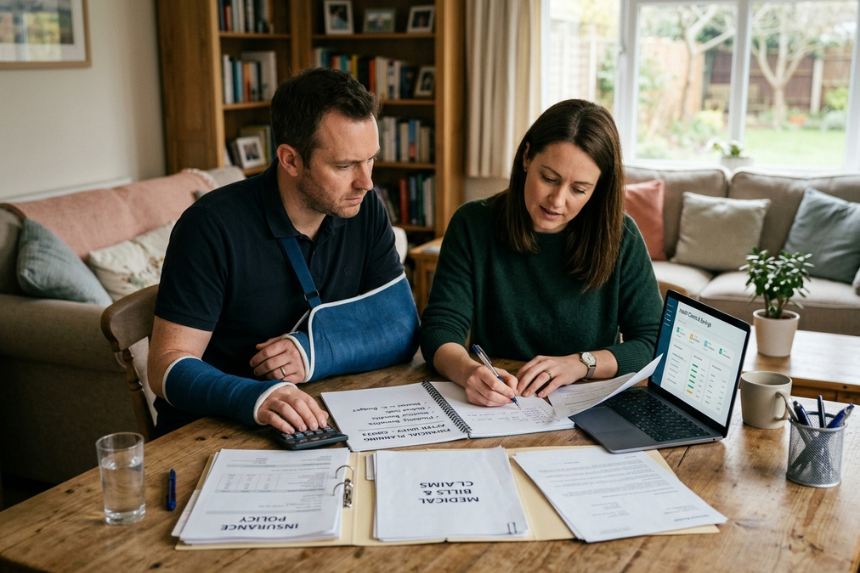
Medical bills, insurance statements, and household expenses can pile up quickly. Set up a simple system before the paperwork becomes overwhelming.
- Create one central folder, physical or digital, for every bill, statement, and receipt.
- Track due dates on a calendar or spreadsheet so nothing slips through the cracks.
- Compare medical bills against insurance statements to catch errors or duplicate charges.
- Call providers early if you can’t pay in full. Many hospitals and clinics offer payment plans or financial assistance programs.
Prioritize Essential Expenses
When income drops, not every bill carries the same weight. Focus first on the expenses that keep your household safe and stable:
- Housing (rent or mortgage)
- Utilities such as electricity, water, and heat
- Food and necessary medications
- Transportation to medical appointments
- Insurance premiums, so coverage doesn’t lapse
Once essentials are covered, look at what can be paused or reduced. Streaming services, gym memberships, and other discretionary spending can often be suspended temporarily. If you have a mortgage, ask your lender whether hardship or forbearance options are available.
Arrange Household Help
Injuries often make routine tasks like cooking, cleaning, yard work, and childcare difficult or unsafe. Asking for help is a practical part of recovery, not a weakness.
- Make a list of weekly tasks and identify which ones you can’t handle right now.
- Accept specific offers from friends, family, or neighbors, such as meal deliveries or school pickups.
- Consider hiring short-term help for heavier jobs, and keep receipts, since some of these costs may be relevant to an injury claim.
- Check whether local community groups, churches, or nonprofits offer support services.
Review Your Insurance Coverage
Many people don’t know exactly what their policies cover until they need them. Take time to review:
- Health insurance: deductibles, out-of-pocket maximums, and in-network providers
- Auto insurance: medical payments coverage, personal injury protection, and uninsured/underinsured motorist coverage
- Disability insurance: short-term or long-term benefits through your employer or a private policy
- Homeowners or renters insurance: in some cases, liability coverage may come into play
If anything is unclear, call your insurer and ask for an explanation in writing.
Document How the Injury Affects Daily Life
Keeping a record of your recovery serves two purposes: it helps your care team understand your progress, and it can support any insurance or legal claim.
Consider keeping a simple journal that notes:
- Pain levels and symptoms each day
- Activities you can no longer do, or that require help
- Missed work, family events, or personal commitments
- Out-of-pocket costs, including mileage to appointments
Photos, appointment summaries, and notes from conversations with insurers are also worth saving.
Preparation Reduces Stress
No one plans to be injured, but taking these steps can make recovery far more manageable. By organizing your finances, leaning on your support network, understanding your coverage, and documenting your experience, you give yourself room to heal without losing sight of your family’s stability. The more prepared you are, the more energy you can devote to getting back on your feet.