The independent journey of Gerald Ford’s son through business and environmental stewardship
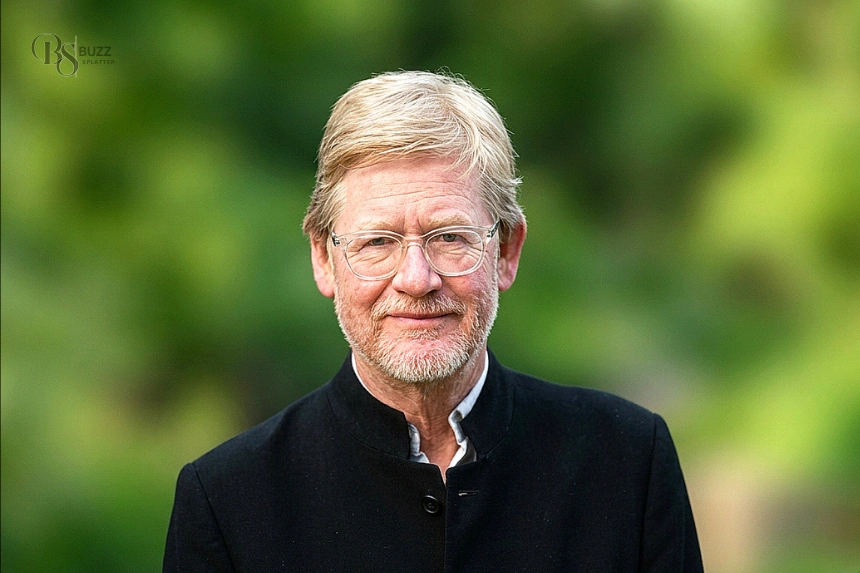
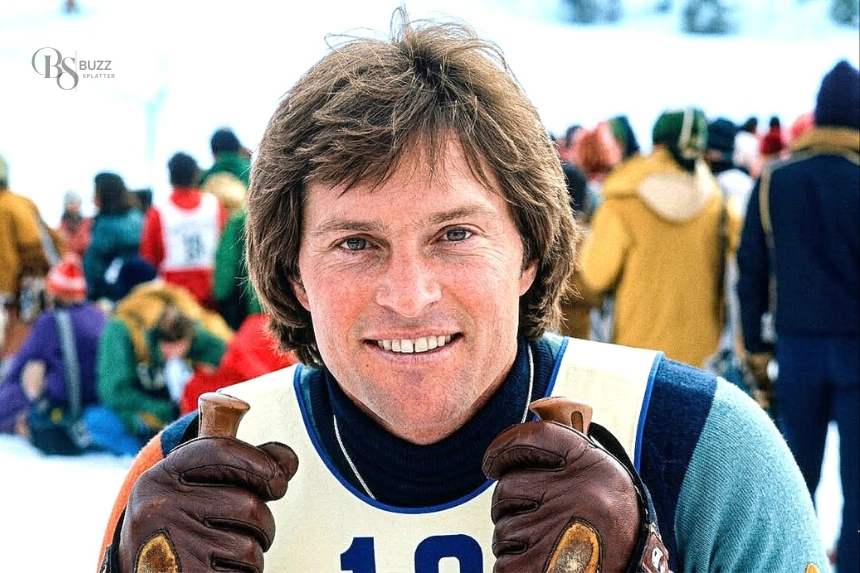
John Gardner Ford (born 1952) is an entrepreneur and environmental advocate, best known as the second son of President Gerald Ford. With a career spanning forestry, publishing, and digital technology, he co-founded Outside magazine and led California Infoplace, a pioneer in interactive information kiosks. Though rooted in a prominent political family, Ford carved his own path focused on conservation, outdoor pursuits, and innovative business ventures, maintaining a private life away from the political spotlight.
John Gardner Ford: Facts
| Fact | Details |
| Full Name | John Gardner Ford |
| Known As | Jack Ford |
| Date of Birth | March 16, 1952 |
| John Gardner Ford Age | 73 years old (as of 2026) |
| Birthplace | Grand Rapids, Michigan, United States |
| Parents | Gerald R. Ford and Betty Ford |
| Siblings | Michael Ford, Steven Ford, Susan Ford |
| Education | Jacksonville University; Utah State University (Degree in Forestry) |
| Early Career | U.S. Forest Service firefighter and National Park Service ranger |
| Notable Venture | Co-founder of Outside (1977) |
| Business Role | CEO and owner of California Infoplace |
| Political Activity | Assisted the 1976 presidential campaign of Gerald Ford; Executive Director for the 1996 Republican National Convention host committee |
| Spouse | Juliann Felando (married 1989) |
| Children | Christian Ford and Jonathan Ford |
| John Gardner Ford Net Worth | Approximately $10 million |
| Residence | San Diego / Rancho Santa Fe, California, United States |
| Known For | Business ventures, publishing, and environmental interests |
Early Life and Family Background
John Gardner Ford was born on March 16, 1952, in Grand Rapids, Michigan. He was the second of four children born to Gerald Ford and Betty Ford. At the time of his birth, his father was serving as a member of the United States Congress, representing Michigan.
Growing up in a politically active household, Ford was surrounded by the rhythms of public service. His siblings include Michael Ford, Steven Ford, and Susan Ford. Despite the growing national prominence of their father, the Ford family emphasized modesty, discipline, and integrity in their upbringing.
Ford spent his early years in Grand Rapids before the family relocated to Alexandria, Virginia, as Gerald Ford’s responsibilities in Washington expanded. In Alexandria, he attended T.C. Williams High School and graduated in 1970.
Education and Early Career in Forestry
After completing high school, Ford pursued higher education at Jacksonville University in Florida. Later, he transferred to Utah State University, where he focused on forestry and environmental studies. His academic interests reflected a growing fascination with nature, conservation, and the management of natural resources.
While studying, Ford worked summers with the U.S. Forest Service. These experiences placed him directly in the rugged landscapes of America’s national forests, where he served as a firefighter. Fighting wildfires and assisting with forest management operations gave him firsthand exposure to the challenges of protecting natural ecosystems.
Following his graduation with a degree in Forestry, Ford continued his connection with the outdoors by working with the National Park Service. Much of this work was associated with national parks such as Yellowstone, where he served as a park ranger and conservation professional.
Entry into Publishing: The Founding of Outside Magazine
Ford’s first major entrepreneurial step came in 1977 when he co-founded Outside. The publication was designed to celebrate outdoor exploration, adventure sports, environmental awareness, and travel experiences connected to nature.
At the time, interest in outdoor recreation and environmental issues was expanding across the United States. Outside magazine quickly found an audience among readers who were passionate about hiking, skiing, climbing, and other outdoor activities. The publication’s focus on storytelling, photography, and environmental awareness helped it gain influence in the outdoor journalism community.
Newspaper Publishing in California
Shortly after helping launch Outside magazine, Ford moved to San Diego, California. In the late 1970s, he partnered with businessman George Gorton to purchase the Del Mar News-Press, a local weekly newspaper serving communities in the coastal region of San Diego County.
As co-owner and publisher, Ford gained valuable experience in journalism, publishing, and business management. Running a community newspaper required balancing editorial content with advertising revenue, distribution logistics, and local reporting.
Transition into Technology: California Infoplace
By the mid-1980s, Ford shifted his focus from publishing to technology. Along with business partner Byron Georgiou, he co-founded a technology company called California Infoplace around 1985.
California Infoplace specialized in interactive digital kiosks and information displays installed in shopping centers and public locations. These systems allowed users to access information about local businesses, services, and events through touchscreen interfaces.
As chief executive officer and principal owner, Ford played a central role in developing the company’s strategy and growth. Over time, California Infoplace expanded its services to include digital advertising displays and lottery ticket kiosks throughout California and other regions.
This transition into technology illustrated Ford’s adaptability and entrepreneurial spirit. By entering the digital information industry during its early stages, he positioned his company within a growing market for interactive public technology.
Political Involvement and Civic Engagement
Although Ford never pursued elected office, politics remained an important part of his life. His most visible involvement occurred during the 1976 presidential campaign of his father, Gerald Ford.
During that campaign, Ford traveled extensively across the United States to support his father’s re-election effort. He appeared at campaign events, spoke with voters, and participated in media interviews. His participation reflected both family loyalty and an understanding of the significance of the presidential race.
Years later, Ford again became involved in national politics when he served as executive director of the host committee for the 1996 Republican National Convention in San Diego. In that role, he helped coordinate logistics, fundraising, and planning for the major political gathering.
At the local level, Ford also participated in civic activities within the San Diego region. He served on the board governing the Del Mar Fair, a major community event in Southern California. His appointment to the board came through California governors George Deukmejian and Pete Wilson.
Personal Life and Family
In 1989, John Gardner Ford married Juliann Felando, the daughter of a San Diego tuna fishing executive. Their marriage marked the beginning of a stable family life that would largely unfold away from national media attention.
The couple has two sons, Christian Ford and Jonathan Ford. The family has lived primarily in Southern California, particularly in the Rancho Santa Fe and San Diego areas.
Those who know Ford often describe him as relaxed, approachable, and deeply committed to family. Despite growing up in a presidential household, he has generally preferred a quieter lifestyle centered on work, community, and personal interests.
Ford also remained connected to the legacy of his parents. He has occasionally participated in events connected to the Gerald R. Ford Presidential Library and other commemorative programs honoring the 38th president and Betty Ford’s public service.
John Gardner Ford Net Worth
John Gardner Ford has an estimated net worth of around $10 million, his wealth largely stems from his work as an entrepreneur rather than from politics or public office.
Ford co-founded Outside in 1977 and later expanded his business career through publishing and technology ventures. He eventually became the chief executive of California Infoplace, a firm specializing in digital information kiosks and advertising displays.
Controversies and Public Scrutiny
Compared with many public figures connected to presidential families, Ford has experienced relatively little controversy.
During the 1970s, he was sometimes portrayed by the media as a free-spirited young man. In interviews from that era, he openly acknowledged experimenting with marijuana during his youth, a statement that reflected the broader cultural environment of the time.
In the early 1980s, Ford faced a minor legal issue when his driver’s license was suspended after a driving-under-the-influence offense. Another brief incident occurred during the 1984 Los Angeles Olympics, when he was temporarily detained after an altercation involving protest signs at an equestrian event. No charges resulted from that event.
Legacy and Public Perception
Today, John Gardner Ford is often described as the most private of President Ford’s children. While his siblings pursued careers in entertainment, education, and advocacy, he focused primarily on entrepreneurship and outdoor interests.
Observers frequently note that Ford managed to balance the expectations of a prominent political family with a desire for personal independence. By building businesses in publishing and technology, he demonstrated that a presidential child could forge a unique professional identity.
Conclusion
John Gardner Ford’s life illustrates a path shaped by both heritage and independence. As the son of President Gerald Ford, he grew up surrounded by political history and public attention. Yet he chose to pursue interests that reflected his personal passions rather than the expectations often placed on presidential families.
Through his work in forestry, publishing, and technology entrepreneurship, Ford carved out a professional identity centered on innovation and the outdoors. His career demonstrates how leadership can take many forms beyond politics.