Medicare and Medicaid fraud is a widespread problem that affects the entire healthcare system, including patients, providers, and the government. Recognizing the scope of this issue is crucial for anyone who relies on these programs or works within the healthcare industry. If you have concerns or face accusations regarding Medicare and Medicaid fraud, consulting a qualified healthcare fraud attorney can provide important guidance and help protect your rights.
Fraud not only drains billions from essential public health programs but also endangers patient safety and diminishes trust in healthcare providers. The ripple effects are felt by everyone who depends on these lifelines for their well-being or livelihoods. Addressing Medicare and Medicaid fraud should be a top priority for healthcare professionals, patients, and policymakers alike.
Understanding Medicare and Medicaid Fraud
Medicare and Medicaid fraud is the act of deliberately falsifying information or services to obtain unauthorized benefits or payments. Common fraudulent practices include billing for services that were never provided, falsifying patient diagnoses or records, and ordering or delivering unnecessary medical treatments. These actions not only deplete already strained public resources but also erode the public’s trust in the healthcare system.
This type of fraud can take many forms: providers might inflate costs, submit claims for non-existent patients, or even collude with other parties to maximize payouts. In some cases, patients themselves may unwittingly become part of fraudulent schemes if their identities are stolen and used to submit false claims. The Centers for Medicare and Medicaid Services (CMS) has highlighted that fraud can divert valuable healthcare dollars from those who truly need medical care, amplifying the impact on program participants and taxpayers alike, as reported by The New York Times.
Impact on Patients
Patients often bear the direct consequences of fraud. When fraudulent billing includes unnecessary or inappropriate treatments, it puts patients at risk of receiving the wrong procedures or medications. This can result in medical complications, higher out-of-pocket costs, and delays in receiving the appropriate care. Additionally, when personal health information is exploited for fraudulent billing, patients face increased risk of identity theft and associated financial or reputational damage.
- Compromised Care: Procedures or treatments performed solely for billing purposes can harm patients’ physical health and disrupt proper medical care plans.
- Financial Burden: Patients may receive unexpected bills, see increased premiums, or lose access to certain services if their benefits have already been claimed fraudulently.
- Privacy Violations: The misuse of personal and medical data for fraudulent activity can lead to identity theft and wider privacy breaches.
Impact on Providers
Healthcare fraud does not just hurt patients; it also deeply impacts providers. Ethical healthcare providers may be subjected to increased audits and administrative reviews, taking valuable time away from patient care in order to comply with investigations. Those who are implicated in fraudulent activities face the possibility of severe penalties, including hefty fines, license revocation, and even imprisonment. Furthermore, negative publicity associated with fraud erodes both professional reputations and the critical relationships between providers and their patients.
- Reputational Damage: Even unproven allegations of fraud can drive patients away and diminish professional standing within the community.
- Legal Consequences: Providers found guilty of healthcare fraud may face criminal prosecution, civil lawsuits, and exclusion from public programs such as Medicare and Medicaid.
- Increased Scrutiny: All providers may face tighter oversight and more frequent audits, creating administrative burdens and increasing operational costs.
Recent Enforcement Actions
The federal government has taken aggressive steps to detect and punish Medicare and Medicaid fraud. One striking example is “Operation Gold Rush,” a nationwide crackdown announced in June 2025, during which the Department of Justice charged 324 individuals with schemes involving more than $14.6 billion in fraudulent claims. This event marks the largest healthcare fraud takedown in U.S. history and serves as an example of the government’s commitment to rooting out fraud at every level. More information about this initiative is available on the Department of Justice website. These enforcement efforts highlight the increasing scale and sophistication of fraud investigations aimed at protecting public funds and patient care.
Preventive Measures
Combating healthcare fraud requires a proactive, multi-faceted approach. Enhanced technologies, such as predictive analytics, are now being used to spot abnormal billing patterns and flag potential fraud. Provider education is key; ongoing training programs help clinicians and administrative staff recognize red flags for fraudulent schemes and understand proper billing procedures. Patient awareness is also crucial. Educating patients on how to carefully review their medical bills and report suspicious activity helps deter fraudsters and protects both individual and community interests.
Role of Technology in Fraud Detection
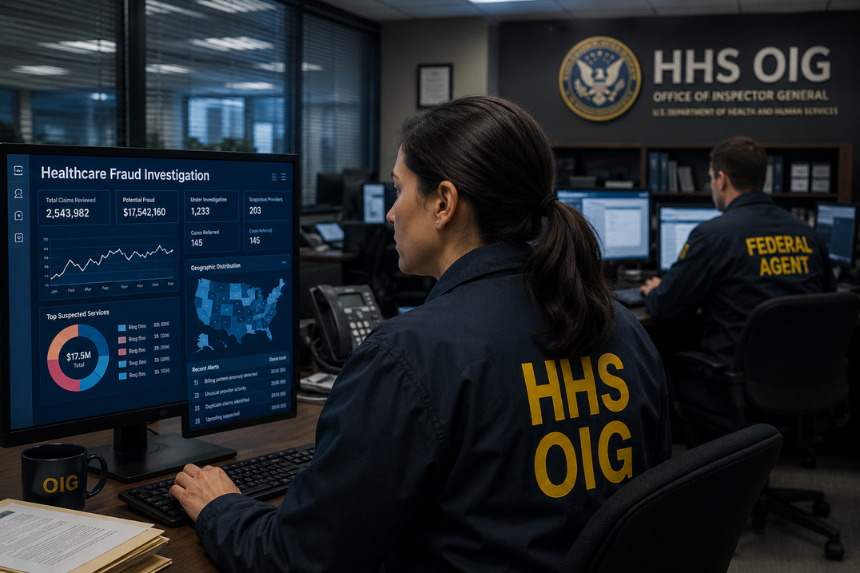
Advanced technological tools are transforming the fight against healthcare fraud. The Centers for Medicare and Medicaid Services (CMS) has deployed sophisticated systems that use data mining and artificial intelligence to identify unusual billing behavior, rapidly isolate suspicious claims, and minimize financial losses. According to CMS, these antifraud measures have already saved billions in potential overpayments and deterred criminals who might target these federal health programs in the future.
Conclusion
Medicare and Medicaid fraud undermine healthcare delivery, drain public resources, and jeopardize the trust that patients place in their medical providers. By leveraging advanced technology, bolstering patient and provider education, and sustaining intense government enforcement, stakeholders can work together to protect these critical health programs for current and future generations.