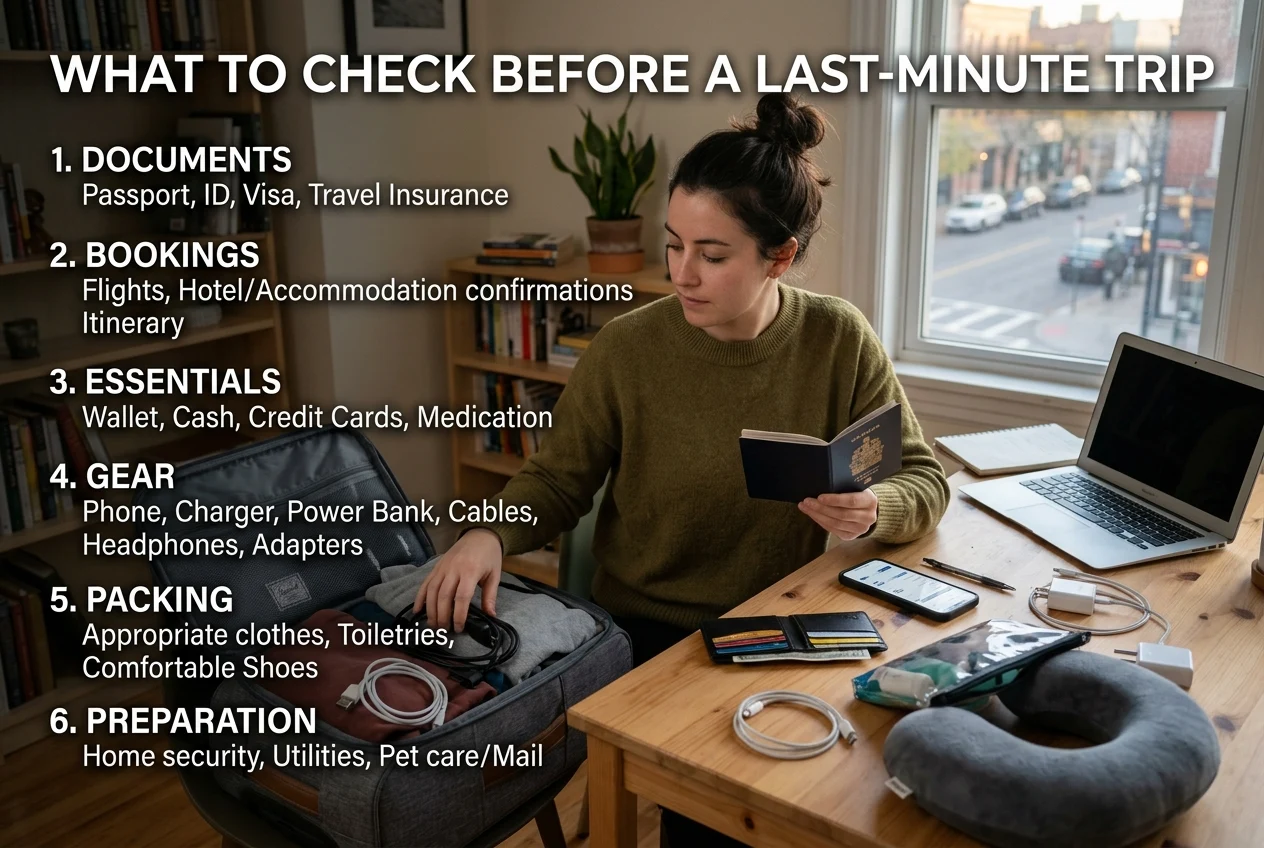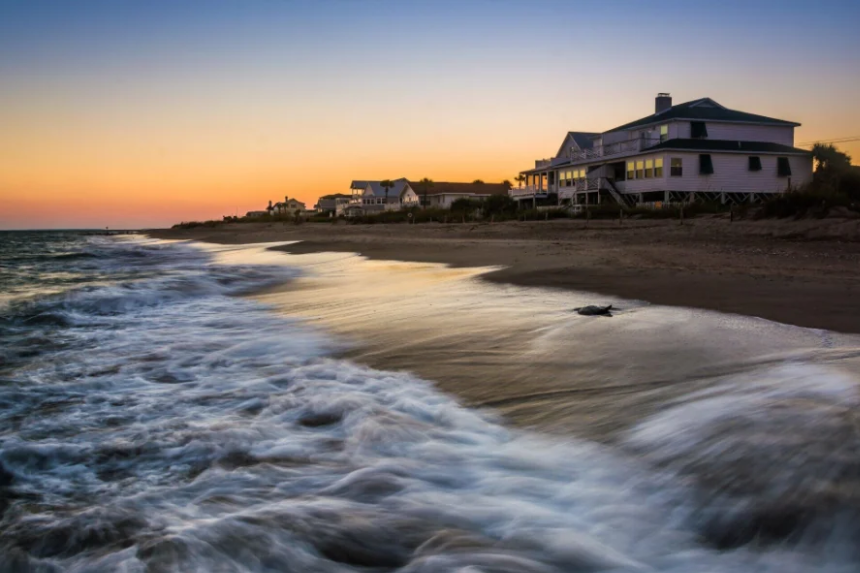

Planning the perfect seaside escape takes more than packing sunscreen and grabbing a towel. A great beach vacation starts with good planning. You need to choose the right destination, find suitable accommodation, and set a budget that works for everyone. You also need to think about travel dates, local transport, and activities.
Without a clear plan, small problems can spoil your trip. You might spend hours in traffic, struggle to find parking, or book a rental far from the beach. These problems can take time away from the things you want to enjoy.
A little preparation can make a big difference. When you plan ahead, you have more time to relax, explore, and enjoy the coast. Use this guide to organize your next beach vacation and make the most of every day by the water.
Choose the Right Coastal Destination
Every coastline has its own charm. Some beaches have tall cliffs, cool breezes, and quiet walking trails. Others offer warm water, soft white sand, and lively beachfront towns. Your choice of destination will shape the entire vacation.
Start by thinking about what you want from your trip. Do you prefer a quiet beach with few visitors? Or would you rather stay near shops, restaurants, and local attractions?
Some travelers enjoy remote beaches where they can read, swim, and enjoy nature. Families may prefer places with lifeguards, public restrooms, and easy access to food. Groups of friends might look for busy boardwalks, water sports, and nightlife.
Find the Right Seaside Accommodation
The roof over your head anchors your daily beach experience. Booking a beachfront cottage gives you instant access to the surf, while an off-water property often provides larger living quarters for a lower nightly rate. Weigh the balance between convenient access and overall space.
Many travelers use independent regional sites like Emerald Coast By Owner and other rental platforms to scout neighborhood homes and secure direct rates. Working through dedicated local marketplaces lets you ask owners direct questions regarding beach access stairs, golf cart privileges, and private boardwalk permits. Finding a home that fits your group layout makes your daily schedule run seamlessly.
Property demand can swing wildly depending on the time of year. Summer schedules in top coastal hubs see massive rushes, with regional tracker data showing 30A visitor numbers topping 1,900,000 guests during peak summer months. Securing your rental 6 to 9 months ahead helps you avoid leftovers with limited beach access.
Choose Travel Dates That Help You Avoid Crowds
Your travel dates can affect almost every part of your vacation. They influence road traffic, hotel prices, restaurant wait times, and how much space you have on the beach.
Holiday weekends and school breaks are often the busiest times to visit coastal towns. During these periods, grocery stores may be crowded, parking spaces can be hard to find, and popular restaurants may have long waiting lists.
If your schedule allows, consider traveling a few weeks before or after the main summer season.
Late spring and early autumn are often excellent times for a beach vacation. The weather can still be warm, and many coastal towns remain active. At the same time, visitor numbers may be lower than during the busiest summer weeks.
Plan Local Transport and Parking
Getting to the beach should be easy. However, many coastal towns have narrow roads, limited parking, and strict rules near public beach entrances.
Before your trip, check the local parking rules. Some areas require daily permits or paid parking passes. Others have limited spaces near popular beach access points.
Arriving early can help you find a good parking spot. It also gives you more time to enjoy the beach before the busiest part of the day.
You may not need to use your car for every trip. Many coastal towns offer other ways to get around.
Explore More Than Just the Beach
Spending time by the water is a major part of any seaside escape. Still, coastal destinations often have much more to offer.
Many areas feature coastal dune lakes, bays, nature reserves, and quiet waterways. These places are great for exploring when the midday sun becomes too strong.
Kayaking and paddleboarding are popular ways to enjoy these natural areas. They also give you a chance to see local wildlife from a different angle.
Fishing trips, dolphin tours, and boat excursions can add variety to your schedule. Families may enjoy guided nature tours, while groups of friends may prefer sailing or fishing charters.
Enjoy Fresh and Local Coastal Food
Food is another important part of a seaside vacation. Coastal towns often have fresh seafood, local markets, and family-run restaurants that serve regional dishes.
Instead of eating at chain restaurants every night, look for places that use fresh local ingredients. Working harbors can be good places to start. You may find seafood shops and small restaurants close to the docks.
Ask local residents for recommendations. Dock workers, fishing guides, and staff at local tackle shops may know where to find fresh shrimp, oysters, and fish.
Follow Beach Safety Rules and Protect Nature
A good beach vacation should be safe for everyone. It should also leave the natural environment in good condition.
Start by checking the local beach flag system. Lifeguards use colored flags to warn visitors about changing water conditions. Pay attention to these warnings before swimming.
Strong rip currents can form even when the water looks calm. These currents can pull swimmers away from the shore. If you get caught in one, try to stay calm. Float if possible and swim parallel to the shoreline until you move out of the current. Then head back toward the beach.
Create a Simple Plan for a Stress-Free Seaside Escape
Planning the perfect seaside escape does not need to be difficult. The key is to handle the important details before you leave home.
Choose a destination that suits your group. Check the weather, set a clear budget, and book accommodation early. Think about travel dates, parking, and local activities before your arrival.
It also helps to leave some room for changes. You may discover a quiet beach, a great seafood restaurant, or a local attraction that was not part of your original plan. Having free time makes it easier to enjoy these surprises.
Final Thoughts
With the right preparation, your coastal getaway can be both relaxing and memorable. A little planning at home gives you more time to enjoy the beach, explore the local area, and make memories that last long after your vacation ends. Make sure to check out the rest of our articles!