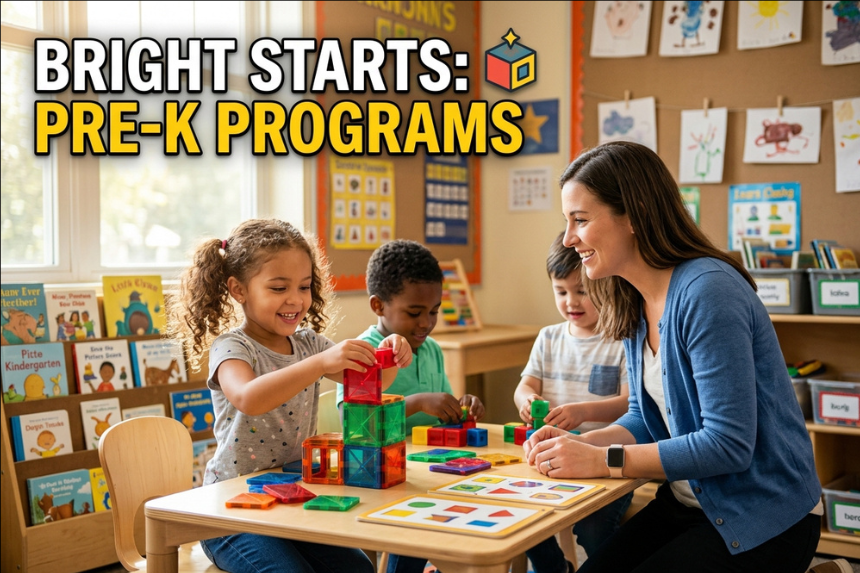
For Texas families preparing for kindergarten in 2026, the goal is not to turn home into a classroom. It is to help children feel secure, capable, and curious as they approach a new daily routine. Families searching for Pre K programs near me can look for environments that balance early learning with opportunities to play, communicate, solve problems, and practice independence.
School readiness looks different for every child. A child may love books but need more practice with goodbyes, or confidently join group play while still learning to manage a jacket zipper. Texas families can support steady growth by focusing on small, repeatable experiences that make school feel familiar before the first day arrives.
What School Readiness Really Means
Readiness is broader than recognizing letters, writing a name, or counting aloud. It includes communicating needs, listening to simple directions, recovering after disappointment, using age-appropriate self-care skills, and staying engaged with an activity for a short time. The Texas education resources for families emphasize multiple areas of development, which is a useful reminder that one checklist cannot define a child’s potential.
A quality preschool experience can give children regular opportunities to participate in group routines, explore materials, and build relationships with caring adults. At home, avoid comparing a child with siblings, neighbors, or online milestones. Instead, notice what they can do now and choose one next skill to practice together.
Build Confidence Through Daily Routines
Predictable routines help children understand what comes next. This can be especially helpful in busy Texas households where mornings may include commutes, changing weather, and several family schedules. A simple picture schedule for getting dressed, eating breakfast, brushing teeth, and leaving the house can make directions easier to follow.
- Give a short warning before a change, such as “Five more minutes, then cleanup.”
- Offer one direction at a time when a task has several steps.
- Let children complete manageable jobs, including placing shoes by the door or putting napkins on the table.
- Recognize persistence with specific words, such as “You kept trying until the lid opened.”
Support Language and Early Literacy
Reading together every day, even briefly, gives children practice listening, looking closely at pictures, and talking about ideas. Pause to ask what might happen next, why a character made a choice, or how a problem could be solved. Children can retell a favorite story with stuffed animals, blocks, drawings, or pretend play.

Language also grows through ordinary conversation. While cooking, walking through a neighborhood, or shopping at a Texas farmer’s market, introduce descriptive words and invite your child to explain what they notice. Point out signs, rhymes, package labels, and the letters in familiar names without turning these moments into a quiz.
Use Everyday Moments for Early Math
Early math is about noticing quantity, patterns, shapes, and comparisons. Count crackers at snack time, sort clean socks by color, compare the sizes of leaves outside, or identify circles and rectangles on buildings and signs. Simple board games also provide practice with counting, waiting, and following rules.
Short, enjoyable repetition is more useful than long worksheet sessions. When math solves a real problem, such as deciding whether there are enough plates for everyone, children can see why numbers and comparisons matter.
Practice Social and Emotional Skills
Starting school brings exciting feelings as well as nervous ones. Help children name emotions such as proud, worried, frustrated, excited, and disappointed. Then give them a few simple responses to practice: asking an adult for help, taking a breath, finding a quiet space, or trying again.
Pretend play is a gentle place to rehearse sharing, joining a game, waiting for a turn, and handling disagreement. Adults can model calm language, set clear limits, and remind children that mistakes are opportunities to learn a different response.
Let Play Lead Learning
Play is meaningful learning for young children. Blocks encourage planning and balance. Playing restaurant or grocery store supports conversation and counting. Cardboard boxes can become buses, homes, or spaceships that inspire storytelling. Outdoor play builds coordination while giving children chances to observe plants, insects, weather, and other people.
Offer materials, time, and encouragement, then let your child guide the idea when possible. Questions such as “What are you building?” or “What does your character need next?” can extend play without taking it over.
Encourage Independence Without Pressure
Small self-care tasks can make a large difference in a child’s confidence. Before kindergarten, practice putting on and removing a coat, washing hands, opening a lunch container, carrying a backpack, cleaning up toys, and asking for assistance. Start by showing the task, help only where needed, and step back as your child becomes more comfortable.
Prepare for the First School Days
Talk about what a school day may include, such as arrival, group time, meals, outdoor time, rest, and pickup. If possible, visit the campus or drive by it before school starts. Practice saying the child’s full name and the names of trusted adults. Choose clothing and supplies they can manage with limited help.
Keep goodbye routines warm, brief, and clear. Instead of promising that your child will never feel nervous, say that new experiences can feel big and that teachers are there to help. Families can also use Texas family resources for early childhood education to explore age-appropriate supports and local options.