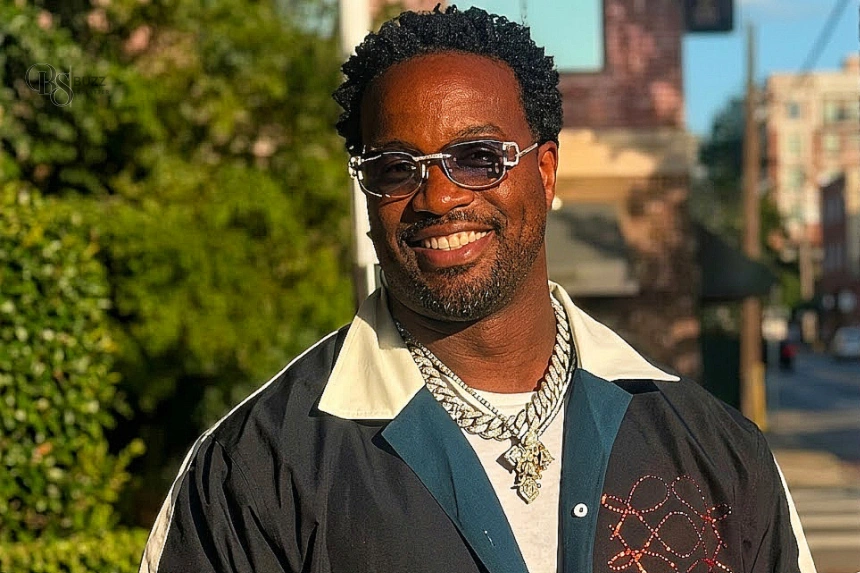
George A. Turner Jr. is a judge in Los Angeles County who cares deeply about fairness, community, and justice. He grew up in Inglewood and spent over fifteen years working as a public defender, helping people most affected by the legal system. His story shows how experience, and legal knowledge can create a fairer and kinder approach to justice. Learn more about how his background and leadership are shaping the future of the courts.
Facts About George A Turner jr
| Fact | Details |
| Full Name | George A. Turner Jr. |
| Known For | Public Defender and Los Angeles County Superior Court Judge |
| Birthplace | Inglewood, California, USA |
| Hometown | Inglewood, California |
| Education | Bachelor’s degree from UCLA (2004); Law degree from UCLA School of Law |
| High School | Morningside High School (Valedictorian) |
| Profession | Attorney and Judge |
| Years as Public Defender | Approximately 15 years |
| Courts Served | Los Angeles County, including Inglewood and Compton |
| Notable Role | Leader of the Homeless Mobile Unit |
| Special Focus | Criminal justice reform, community-based legal support |
| Marital Status | Married |
| Children | Three sons |
| Judicial Election | Won Los Angeles County Superior Court race in November 2024 |
| Election Result | Approximately 59.7% of the vote |
| Judicial Term Begins | January 2025 |
| Endorsed By | LA County Public Defenders Union (Local 148), Judge Holly Hancock |
| Core Values | Fairness, community justice, legal access, rehabilitation |
| Current Residence | Inglewood, California |
Early Life in Inglewood
George A. Turner Jr. was born and raised in Inglewood, California, a city with a rich culture but also many social and economic problems. As he grew up, Turner saw how the legal system affected people’s daily lives, sometimes in ways that seemed unfair or harmful.
Two women had a big impact on him: his mother and grandmother. They taught him to be strong, believe in himself, and stand up for what is right. In a community where many families faced problems with the justice system, these lessons were very important.
Turner saw relatives and neighbors get into legal trouble, sometimes for small mistakes that caused serious problems later on. These experiences made him want to help people who didn’t understand the system or didn’t have the help they needed.
Academic Excellence and Legal Training
George A. Turner Jr.’s path to law started with doing very well in school. He went to local schools in Inglewood and graduated as the top student, or valedictorian, of Morningside High School. This was not just a personal win, it showed how determination and support can make a big difference in a community where good education is often hard to find.
After high school, Turner went to the University of California, Los Angeles (UCLA), where he earned his bachelor’s degree in 2004. UCLA gave him a strong academic experience and also introduced him to new social and political ideas that would shape how he thinks about the law.
Turner then went to UCLA School of Law. Where, he studied how race, society, and the law are connected, something that was very important to him because of his own experiences. His law studies were not just about rules and cases; they were about understanding how the law affects people differently based on their background, income, and community.
Family, Identity, and Personal Values
Turner is married and lives with his wife in Inglewood, California. They are raising three sons together. As a father, he knows what it feels like to worry about his children’s future, safety, and chances in life. This makes his work as a lawyer and judge very personal to him.
He often talks about how his mother and grandmother gave him strength and guided him with good values throughout his life. Their support helped him face the difficulties of growing up in a community with many challenges.
For Turner, family means both responsibility and hope. It reminds him that every person who comes to court is someone’s child, brother, sister, or parent. This helps him treat people fairly while always remembering their humanity.
Fifteen Years as a Public Defender
Before becoming a judge, George A. Turner Jr. spent approximately fifteen years working as a public defender in Los Angeles County. Public defenders represent people who cannot afford private attorneys, often working under intense pressure with limited resources.
Turner tried cases in courthouses across the county, including in Inglewood and Compton. These courtrooms exposed him to the realities of poverty, homelessness, mental health challenges, and systemic inequality. He did not see his clients as case numbers; he saw them as people trying to survive in difficult circumstances.
One of the most notable parts of his career was his leadership of the Homeless Mobile Unit. This small but impactful team focused on helping unhoused individuals clear old criminal records that prevented them from finding employment and housing. By removing these barriers, Turner and his team gave people a chance to rebuild their lives.
Turner has described his work as “fighting to keep his community out of custody.” This phrase captures his philosophy: jail should not be the default answer, especially when alternatives can lead to better long-term outcomes for individuals and society.
A Justice System Rooted in Community
What sets George A. Turner Jr. apart is not only his legal knowledge but also his strong connection to the communities most affected by the justice system. He did not approach his work from a distant, academic perspective. Instead, he brought empathy shaped by personal experience.
Turner understood that many people end up in court not because they are dangerous, but because they lack support, stability, or opportunity. His goal was to create space for accountability without destroying a person’s future.
By working in neighborhoods like Inglewood and Compton, Turner built trust with clients and community members alike. They saw him as someone who truly understood their struggles because he came from the same streets, schools, and families.
This community-centered approach has been a defining feature of his career, and it continues to guide him as he moves into the role of judge.
The 2024 Judicial Election
In 2024, George A. Turner Jr. took a major step in his public service journey by running for a seat on the Los Angeles County Superior Court. His campaign was grounded in his long history as a public defender and his commitment to justice reform.
Turner received strong support from organizations and leaders who believe in a fairer, more humane legal system. Among his endorsements were the Los Angeles County Public Defenders Union (Local 148) and Los Angeles Superior Court Judge Holly Hancock. These endorsements reflected confidence in his integrity, experience, and vision.
When the November 2024 election concluded, Turner emerged victorious with approximately 59.7% of the vote. The result signaled broad public trust in his ability to serve as a judge.
He is scheduled to begin his judicial term in January 2025, marking a new phase in a career dedicated to service.
What Turner Brings to the Bench
As a judge, George A. Turner Jr. brings something rare: deep experience from the defense side of the courtroom. He understands how decisions affect defendants, families, and communities.
His background gives him insight into the unintended consequences of certain rulings—such as how a minor conviction can lead to job loss, housing instability, or family hardship. This awareness does not mean he ignores accountability; rather, it means he considers the full impact of every decision.
Turner has expressed a desire to continue improving the justice system from within. He aims to ensure that the courts serve not just as places of punishment, but as institutions of fairness, rehabilitation, and opportunity.
A Life of Service and Integrity
George A. Turner Jr.’s journey, from a young boy in Inglewood inspired by his mother and grandmother, to a valedictorian, to a UCLA-trained lawyer, and now a judge, reflects the power of perseverance and purpose.
He has never forgotten where he came from, and that connection continues to guide his work. Whether as a public defender helping someone clear their record, or as a judge deciding a case, Turner approaches every role with respect for human dignity.
Conclusion
George A. Turner Jr. represents a thoughtful, community-driven approach to law and justice. His career shows how lived experience, education, and dedication can come together to create meaningful change within even the most complex systems.
As he steps into his role on the Los Angeles County Superior Court, Turner carries with him the voices of Inglewood, the lessons of his family, and the experience of fifteen years in the courtroom. His path forward is one of responsibility, fairness, and a continued commitment to improving the lives of those he serves.
In a time when trust in institutions is often tested, George A. Turner Jr. stands as a reminder that justice can still be rooted in compassion, understanding, and community.