Adeel A. Faruki: Innovating Anesthesia through Technology and Leadership to Transform Surgical Care Efficiency
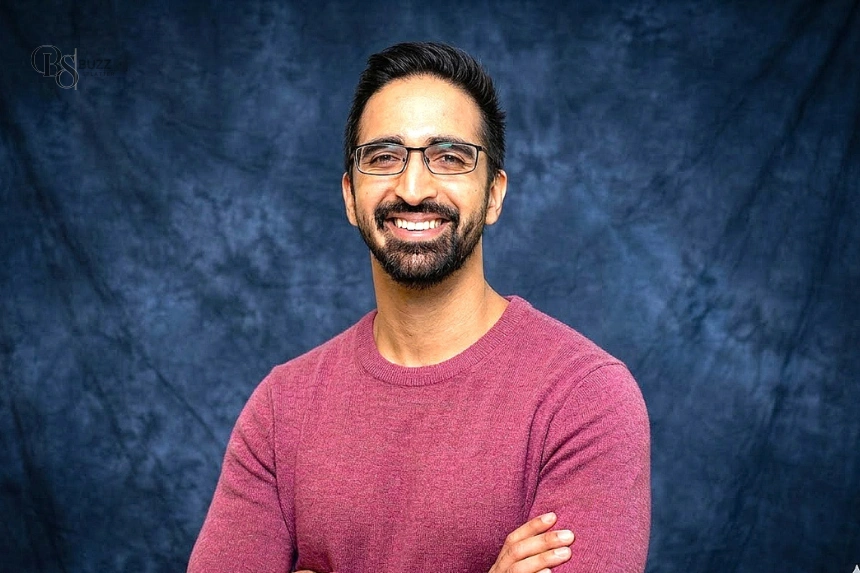
Adeel A. Faruki is a Houston-based anesthesiologist and researcher known for advancing perioperative medicine through technology and innovation. His work includes pioneering virtual reality to reduce surgical sedation and improving efficiency in anesthesia care. He serves as an assistant professor and medical director at MD Anderson Cancer Center, blending clinical practice with leadership and research.
Facts about Adeel A. Faruki
| Fact | Details |
| Full Name | Adeel A. Faruki, MD, MBA |
| Profession | Anesthesiologist, Researcher, Academic Physician |
| Current Location | Houston, Texas, United States |
| Current Institution | University of Texas MD Anderson Cancer Center |
| Current Roles | Assistant Professor of Anesthesiology; Medical Director of Licensure Strategy |
| Education (Undergraduate) | B.S. in Biology, University of St. Thomas (2012) |
| Medical Degree | MD – University of Texas Medical School at Houston (2016) |
| MBA | Health Administration – University of Colorado Denver Business School (2022) |
| Internship | Internal Medicine – Memorial Hermann / Lyndon B. Johnson Hospital |
| Residency | Anesthesiology – Beth Israel Deaconess Medical Center |
| Fellowship | Operations & Leadership Fellowship – UCHealth, Aurora, Colorado |
| Previous Faculty Role | Assistant Professor – University of Colorado School of Medicine |
| Research Focus | Perioperative medicine, anesthesia informatics, VR in surgical sedation |
| Notable Study | Virtual Reality use to reduce sedation during hand surgery |
| Journals Published In | PLOS ONE, Cureus, Telemedicine and e-Health |
| Honor | Inducted into the Gold Humanism Honor Society (2019) |
| Key Leadership Roles | Chair, Patient Care Informatics (Perioperative) Subcommittee; Director, Neuroanesthesiology Fellowship |
| Media Mentions | Denver7, Becker’s Hospital Review, Scienceline |
| Known For | Research on VR-assisted anesthesia and perioperative efficiency |
Early Life and Educational Background
A strong academic foundation helped shape Dr. Faruki’s path into medicine and healthcare leadership. He began his undergraduate education at University of St. Thomas, where he completed a Bachelor of Science in Biology in 2012.
His interest in clinical medicine led him to pursue medical training at University of Texas Medical School at Houston, where he earned his Doctor of Medicine (MD) in 2016.
Recognizing the growing importance of healthcare management and operational leadership, Faruki later pursued a Master of Business Administration (MBA) in Health Administration from the University of Colorado Denver Business School in 2022. The MBA equipped him with skills in healthcare strategy, operations management, and systems improvement—expertise that later shaped many of his leadership roles.
Medical Training and Residency
Following medical school, Dr. Faruki completed several important stages of postgraduate medical training that prepared him for a career in anesthesiology.
He first completed an Internal Medicine internship (2016-2017) at the Memorial Hermann/Lyndon B. Johnson Hospital system in Houston. This experience provided a broad clinical foundation and exposure to complex patient care.
He then entered the anesthesiology residency program at Beth Israel Deaconess Medical Center in Boston. During his residency from 2017 to 2020, he received advanced training in anesthesia, perioperative care, and critical patient monitoring.
While at BIDMC, Faruki was inducted into the Gold Humanism Honor Society in 2019. This recognition is awarded to physicians who demonstrate exceptional compassion, professionalism, and patient-centered care.
To further expand his leadership skills, he later completed an Operations and Leadership Fellowship (2020-2022) at UCHealth in Aurora, Colorado.
Academic Career and Professional Appointments
After completing his fellowship, Dr. Faruki joined the faculty at the University of Colorado School of Medicine.
His academic appointments progressed as follows:
- Instructor of Anesthesiology (2020-2022)
- Assistant Professor of Anesthesiology (2022-2023)
During his time in Colorado, he contributed to clinical education, research initiatives, and departmental leadership programs.
In 2023, Faruki relocated to Houston to take on a dual role at the University of Texas MD Anderson Cancer Center. At MD Anderson, he currently serves as:
- Assistant Professor of Anesthesiology
- Medical Director of Licensure Strategy in the Office of the Chief Medical Executive
Additionally, Dr. Faruki contributes to medical education as a Voluntary Clinical Assistant Professor at the University of Houston Clinical Sciences Department.
Research Contributions and Innovation in Anesthesiology
Dr. Faruki’s research portfolio reflects a commitment to improving surgical care through innovation, data analysis, and technology.
His work has been published in respected medical journals such as PLOS ONE, Cureus, and Telemedicine and e-Health, where he has shared research on anesthesia practices, perioperative care, and healthcare innovation.
These publications examine topics such as anesthesia efficiency, patient safety, sedation protocols, and emerging technologies in perioperative medicine.
One of his most notable contributions involves the use of virtual reality (VR) technology to reduce sedation during surgery.
Virtual Reality in Surgical Sedation
A pioneering clinical trial led by Dr. Faruki investigated the use of VR headsets as a non-pharmacologic alternative to traditional sedatives during surgery.
The study, published in PLOS ONE in 2022, compared virtual reality immersion with monitored anesthesia care during hand surgery procedures.
The study found that patients using virtual reality required significantly fewer sedatives, with many remaining comfortable without medication. Lower sedation levels also helped reduce recovery time, highlighting VR’s potential as a supportive tool during certain surgical procedures.
In the study, 13 of 17 patients in the VR group required no intraoperative sedatives, while patients receiving standard care needed medication.
Faruki explained that immersive VR experiences can reduce anxiety and distraction during surgery, allowing some procedures to be performed with minimal pharmacological sedation.
This approach may lead to shorter recovery times, reduced medication use, and improved surgical efficiency, potentially allowing healthcare facilities to treat more patients.
Improving Efficiency in Endoscopy Sedation
Another area of Dr. Faruki’s research focuses on process improvement in gastrointestinal endoscopy sedation.
During his time at the University of Colorado, he conducted a retrospective analysis comparing two sedation approaches:
- Nurse-administered sedation
- Anesthesiologist-led propofol sedation
The findings suggested that anesthesiologist-led sedation could improve procedural efficiency and reduce recovery times.
When presented at the 2022 ASA Advance meeting, the research indicated that procedure times and recovery periods decreased by several minutes per case. While the time savings per patient might appear small, they can significantly increase capacity in high-volume medical centers.
According to Faruki, even a reduction of 2-7 minutes per procedure can allow healthcare systems to treat more patients while maintaining safety and quality.
Leadership Roles and Institutional Contributions
Beyond clinical practice and research, Dr. Faruki has played an active role in healthcare leadership and organizational initiatives.
At MD Anderson Cancer Center, he chairs the Patient Care Informatics (Perioperative) Subcommittee, focusing on data-driven strategies to improve surgical outcomes.
Alongside his clinical work, Dr. Faruki directs the Neuroanesthesiology Fellowship program, co-leads the Anesthesiology Pathways & Protocols Committee, and participates in the Business of Anesthesia Group.
These roles involve developing standardized clinical pathways, optimizing workflows, and implementing technologies that improve perioperative care.
Earlier in his career, he also directed the Advanced Perioperative Ultrasound Training Program at the University of Colorado, helping train physicians in modern imaging techniques used during surgery.
Awards and Professional Recognition
Dr. Faruki has received several honors that reflect both his clinical dedication and research impact.
One of the most notable is his 2019 induction into the Gold Humanism Honor Society, which recognizes physicians who demonstrate compassion and patient-centered care.
He has also received research support, including an Anesthesia Research Seed Grant from the University of Colorado Denver and funding from the Foundation for Anesthesia Education and Research.
In 2022, his research team won the ASA Advance Poster Competition, highlighting the significance of their work in anesthesia innovation.
Media Coverage and Public Engagement
Dr. Faruki’s research has gained attention beyond academic journals. His work has been discussed in national media, scientific publications, and healthcare industry outlets.
His VR sedation study was featured by the television station Denver7, where he explained how immersive technology could improve patient comfort during surgery.
Science journalism outlet Scienceline also interviewed him about the clinical implications of virtual reality in medicine.
In addition, healthcare industry publication Becker’s Hospital Review highlighted his insights in a podcast discussing healthcare technology, licensing strategy, and the future of anesthesia practice.
Professional Philosophy and Future Outlook
Dr. Faruki’s career reflects a broader trend in modern medicine: integrating clinical expertise, data analytics, and technological innovation.
His work demonstrates how anesthesiology can contribute to healthcare improvements beyond the operating room. By combining research, administrative leadership, and educational initiatives, he helps shape more efficient and patient-centered surgical systems.
Future developments in his career may include further exploration of digital health tools, telemedicine strategies, and perioperative data analytics—areas that continue to reshape how hospitals deliver care.
Conclusion
The career of Adeel A. Faruki illustrates how modern physicians can combine clinical expertise with technological innovation and leadership. Through his work in anesthesiology, healthcare operations, and medical research, he has contributed to advancing perioperative care and exploring new approaches to patient comfort and surgical efficiency.
From pioneering research on virtual reality–assisted anesthesia to leadership roles at MD Anderson Cancer Center, Faruki represents a generation of physician-scientists focused on improving healthcare systems. As technology continues to transform medicine, his interdisciplinary approach positions him as an important contributor to the future of anesthesiology and patient-centered surgical care.