
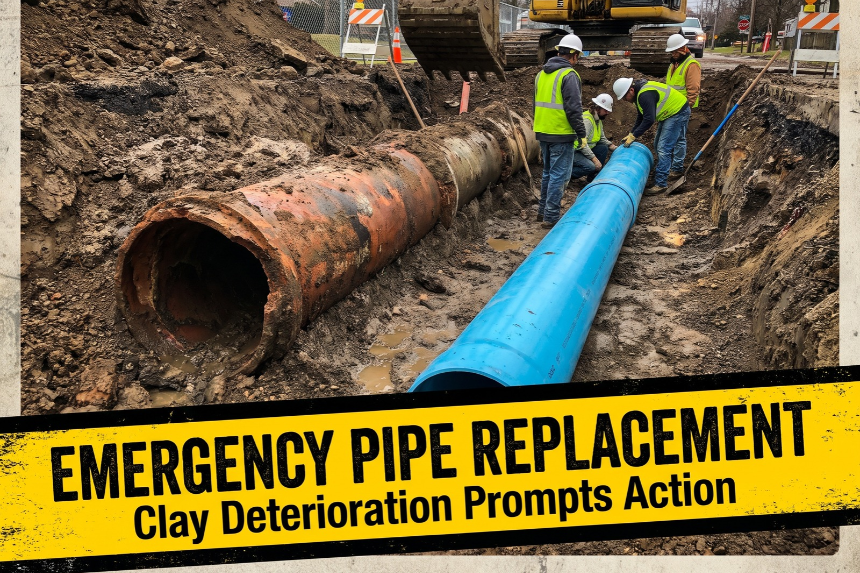
Atlanta homeowners facing sudden sewer backups or wet spots in their yards are often surprised to learn that the cause traces back to worn-out clay pipes buried decades ago. Clay sewer lines, once a staple in Atlanta’s residential construction, struggle to withstand the city’s shifting soils and persistent tree roots. For many, the first hint of trouble is an unexpected overflow or foul odor, turning a minor inconvenience into an urgent issue. The brittle nature of clay piping means that once cracks or collapses start, deterioration can escalate rapidly, leaving property owners with little choice but to consider emergency sewer line replacement in Atlanta GA. Acting swiftly is critical, as delays can result in costly property damage, health hazards, and potential code violations.
Common Causes of Clay Pipe Failure in Atlanta Residential Areas
One of the most frequent triggers for clay pipe failure in Atlanta is root intrusion. As large trees thrive in the region’s humid climate, their roots naturally seek out water sources, infiltrating even hairline cracks in clay pipes. Over time, these roots widen openings, causing blockages and structural weakness. Compounding this, Atlanta’s clay-heavy soil can shift dramatically during seasonal rainfall or drought, placing excessive pressure on aging sewer lines and causing them to fracture or collapse.
Another prevalent factor is the natural brittleness of clay pipes. Unlike modern alternatives such as PVC, clay cannot flex or absorb movement, making it particularly susceptible to damage from ground settling. Some residents also discover that their pipes have eroded internally from decades of acidic wastewater, further weakening the system. Comparing clay pipe vulnerability to root intrusion helps homeowners understand why these older systems are at higher risk in the Atlanta area.
These combined stresses mean that many properties built before the 1970s are especially vulnerable to emergency failures. Homeowners who notice repeated clogging or slow drains should recognize these as warning signs of a larger underlying problem.
Signs of Sewer Line Deterioration Requiring Immediate Action
Recognizing early symptoms of sewer line breakdown is critical for preventing severe damage. Common warning signs include frequent sewage backups in household drains, persistent foul odors around the property, and soggy or unusually green patches in the yard. In some cases, residents may notice gurgling sounds from toilets or tubs, indicating air pockets caused by partial collapse or blockages in the clay pipe network.
Atlanta’s humid conditions can accelerate microbial growth in leaking pipes, sometimes resulting in mold appearing along basement walls or floors. These symptoms often escalate quickly, prompting the need for emergency sewer line replacement in Atlanta GA before structural or health hazards worsen. The presence of visible sinkholes or sudden dips in the yard surface can indicate a more advanced stage of pipe collapse, requiring rapid response to mitigate risk.
Timely identification and intervention are crucial, as even minor leaks can lead to soil erosion and foundation issues if left unchecked. Homeowners who spot any of these indicators should immediately contact a professional for inspection and assessment.
Emergency Replacement Procedures for Damaged Sewer Systems
When a clay sewer pipe fails, emergency replacement begins with a rapid video inspection to locate breaks, root blockages, or collapsed sections. Technicians typically use advanced camera equipment inserted into the sewer line, capturing real-time footage to determine the scope of the damage. For urgent repairs, trenchless methods such as pipe bursting may be recommended, allowing replacement of the damaged pipe with minimal disruption to landscaping or driveways.
In more severe cases, traditional excavation becomes necessary, especially if multiple sections of the clay pipe have collapsed or if contamination has spread beyond the immediate area. Crews will dig along the affected line, remove the deteriorated clay sections, and install modern, durable materials such as PVC or HDPE that resist both root intrusion and chemical corrosion. Homeowners considering Sewer Line Replacement in Atlanta, GA should expect the replacement process to include soil stabilization and thorough backfill to prevent future settling around the new pipe. This approach helps ensure long-term reliability and compliance with city standards.
Proper site restoration, including regrading and reseeding affected areas, is the final step to return the property to its original condition. Emergency crews coordinate these tasks to minimize downtime and inconvenience for residents.
Local Regulations and Professional Standards for Atlanta Sewer Repairs
Sewer repairs in Atlanta must adhere to specific municipal codes designed to protect public health and infrastructure. The city mandates that all emergency sewer line replacements obtain appropriate permits before work begins, ensuring that repairs are inspected and approved by local building authorities. Licensed contractors must follow strict guidelines regarding pipe materials, installation depths, and backfill procedures to prevent future failures.
Atlanta’s plumbing codes also require that any replacement materials meet durability and corrosion resistance standards. This means modern pipes installed during emergency sewer line replacement in Atlanta GA are chosen for their ability to withstand the area’s soil chemistry and moisture levels. Understanding Atlanta residential plumbing permit requirements is critical for homeowners to avoid fines or delays during urgent repairs.
Engaging with a licensed, local contractor who is familiar with these regulations can streamline the approval process and ensure that all safety and quality standards are met during the replacement. Verifying a contractor’s credentials and reviewing permit documentation provides additional protection for the property owner.
Conclusion
Homeowners noticing signs of clay pipe deterioration should schedule a professional inspection at the first sign of trouble. Acting promptly can help prevent emergency situations, property damage, and costly repairs. Evaluate local contractors based on their compliance with Atlanta’s codes and their expertise with older sewer systems before authorizing any replacement work.