A home is one of the biggest things you may ever buy. Keeping it in good shape can protect your savings and make daily life easier. Yet small problems often go unnoticed until they turn into large repair bills.
The best approach is to check your property often and deal with damage early. You do not need to fix everything yourself. A clear routine helps you know when to clean, when to check, and when to call a professional.
Continue reading to discover everything you need to know!
Walk Through Your Home Every Month
Set aside a little time each month to look around your home. Check ceilings, walls, floors, and areas beneath sinks for new stains or cracks. Open doors and windows to see whether they still work smoothly.
Take photos of any changes and note when you first saw them. A small mark may not mean much, but a growing stain needs attention. Keeping a simple record can also help you explain a problem to a repair worker.
For rental homes, regular checks help owners spot issues between larger repairs. Tenants should also have an easy way to report problems as soon as they appear.
For busy households, it may help to assign one person to check each area. Sharing the work makes the routine easier and helps everyone notice changes before they become bigger problems.
Keep Water Away From the Building
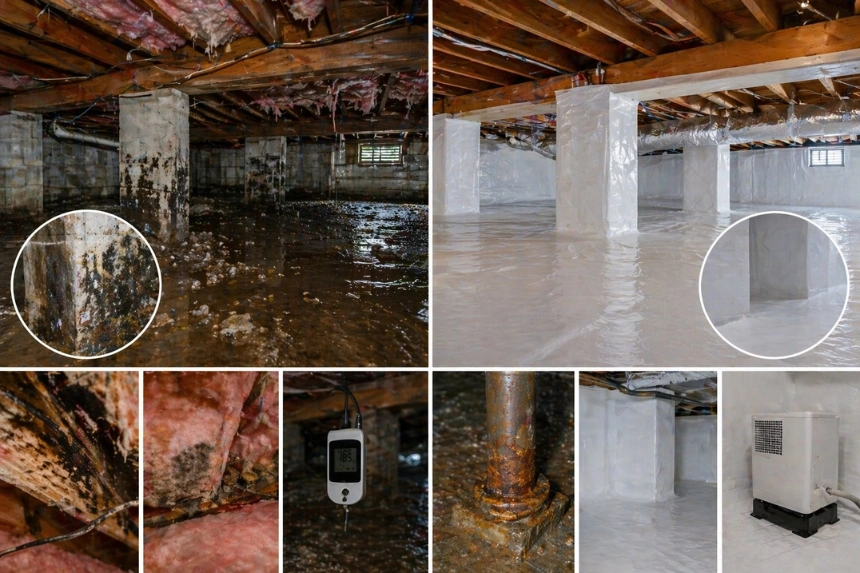
Water can damage a home long before anyone notices a leak. Check gutters for leaves and watch where rainwater flows during storms. Downspouts should carry water away from the foundation, not toward it.
Look around windows, doors, and basement walls for damp spots. A musty smell can also point to hidden moisture. If water keeps getting inside, find the cause before painting over the damage.
Do not climb onto a high roof or work near unsafe edges. A trained contractor can inspect gutters, flashing, and roof areas that you cannot reach safely.
Give Heating and Cooling Systems Regular Care
Heating and cooling equipment works hard through changing seasons. Dirty filters can slow airflow and make rooms less comfortable. Check your system’s instructions and replace or clean filters as recommended.
Keep vents clear of furniture, rugs, and boxes. Listen for new noises and notice whether the system takes longer to heat or cool rooms. A sudden change may be a reason to book service.
Plan professional checks before periods of heavy use. This gives you time to deal with worn parts before extreme weather arrives. Never try to repair gas lines or electrical parts yourself.
Stay Ahead of Small Plumbing Problems
A dripping tap may seem harmless, but wasted water and damp surfaces can add up. Check under sinks, around toilets, and near washing machines for leaks. Watch for loose fittings and water that drains unusually slowly.
Try these quick monthly checks:
- Look for wet spots
- Check under kitchen sinks
- Listen for running toilets
- Inspect washing machine hoses
- Notice slow bathroom drains
Turn off the water supply if a pipe bursts, and it is safe to do so. For repeated leaks or blocked drains, call a plumber rather than relying on harsh chemicals.
Protect the Exterior From Seasonal Wear
Sun, wind, snow, and rain all affect outdoor surfaces. Walk around your home after rough weather and look for loose siding, broken steps, or peeling paint. Fixing small defects can help keep water out and prevent trips and falls.
In colder areas, prepare outdoor taps and hoses before freezing weather. Remove snow from safe walking areas and deal with ice buildup early. Use suitable products that will not harm nearby surfaces or plants.
Homeowners who need help keeping up with repairs can compare local maintenance providers. In Winnipeg, Canopy mgmt Property Managers offer both property management and home maintenance services. The right service plan depends on the home’s condition and the work required.
Check Safety Devices and Entry Points
Good upkeep also means checking the features that protect people inside. Test smoke and carbon monoxide alarms as the manufacturer directs. Replace batteries or devices when needed, and keep exits free from clutter.
Check that outside doors close properly and locks work without sticking. Look for loose handrails, worn steps, and dark paths near entrances. These simple checks can help prevent everyday accidents.
If an outlet feels hot or gives off a burning smell, stop using it. Ask a qualified electrician to inspect the problem instead of opening the outlet yourself.
Care for Floors, Walls, and Shared Areas
Small signs of wear are easier to manage when you notice them early. Clean spills before they stain floors, and repair loose tiles or lifting carpet edges. Use cleaning products that suit the surface rather than strong chemicals that may cause damage.
In rental properties, clear rules can help residents report damage quickly. Owners should explain who handles repairs and how urgent issues are reported. Fast communication can keep small problems from growing.
Think about busy spaces first. Kitchens, bathrooms, hallways, and entry areas often need more frequent attention than rooms with less use.
Keep a Simple Maintenance Budget
Even a well-kept home will need repairs over time. Set aside money each month for service visits, parts, and larger projects. A reserve can make a broken appliance or surprise leak less stressful.
Before booking work, ask for a clear quote and what it includes. Compare the full cost, not only the starting price. Keep invoices and warranty details so you can find them later.
You do not need to replace every old item at once. Focus first on safety, active leaks, and issues that could cause more damage if delayed.
Make a Seasonal Checklist You Can Follow
A good plan should be easy to use, not another task you avoid. Divide bigger jobs across spring, summer, fall, and winter. Add reminders to your calendar so you do not have to remember every detail.
Keep a short list of tasks for each season:
- Spring gutter and roof checks
- Summer outdoor surface care
- Fall heating system service
- Winter snow and ice checks
- Year-round leak and alarm checks
Protect Value Through Small Actions
Protecting your home’s value does not always require major upgrades. Regular checks, early repairs, and good records can help prevent damage and keep the property comfortable.
Each small task supports a safer home and fewer costly surprises. Choose a routine that fits your time and budget.
For more practical home care ideas and property tips, explore our other blog posts.