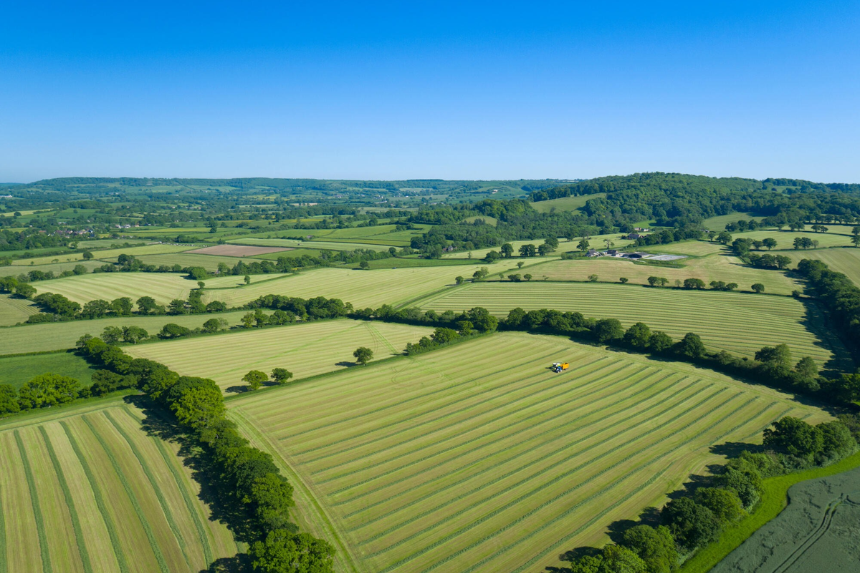
Buying farmland can be a great step toward a more sustainable life. It gives you space to grow food, raise animals, and enjoy a closer connection with nature. However, choosing the right land takes more than finding a beautiful piece of property.
Not all farmland is suitable for growing crops or building a home. Soil quality, water access, weather, and local rules can all affect your plans. Looking at these factors before buying can help you avoid costly problems later.
Check the Quality of the Soil
Healthy soil is one of the most important parts of a successful farm. It helps plants grow, holds water, and supports small organisms that keep the land fertile. Poor soil can make growing food much harder.
Before buying, ask about the land’s past use and soil conditions. Some areas may have low nutrients, poor drainage, or signs of erosion. Soil testing can help you understand what the land needs.
You should also consider how to keep the soil healthy over time. Compost, cover crops, and crop rotation can help protect its quality. These simple methods support better harvests and reduce the need for chemical products.
Make Sure There Is Enough Water
Water is essential for growing crops, raising animals, and daily living. A property may look perfect but still have limited water access. This can create serious problems during dry months.
Check whether the land has wells, streams, ponds, or access to public water. Ask about water rights and any rules that limit its use. Testing the water quality is also a smart step before buying.
Think about how you can save water in the future. Rainwater collection, drip irrigation, and drought-tolerant plants can help reduce waste. A good water plan makes your farm more reliable during dry periods.
Understand the Local Climate
The local climate affects almost every part of farm life. Temperature, rainfall, wind, and seasonal changes all influence what you can grow. Some crops need long, warm summers, while others do better in cooler weather.
Look at the area’s usual weather patterns before choosing your land. Check for risks from floods, droughts, strong storms, and early frost. These events can affect your harvest and property.
Choose crops and farming methods that fit the local conditions. Growing plants suited to the climate can reduce water use and daily work. It can also make your farm more productive over time.
Consider the Location and Road Access
A quiet farm far from town may sound like a dream. However, distance can become a problem when you need supplies, repairs, or medical care. Good access is important for daily life.
Look at the roads leading to the property. Some rural roads may become difficult to use during heavy rain or snow. Make sure you can reach your land in different weather conditions.
Think about how far you must travel to reach stores, markets, and other services. Shorter trips can save fuel, money, and time. A well-placed farm can offer privacy without making life too difficult.
Set a Realistic Budget
The price of farmland is only one part of the total cost. You may also need money for fences, tools, buildings, and basic services. These costs can grow quickly if the property needs major work.
Compare different properties and learn how land sales work in your area. Looking into Midwest Land Management auctions can help you explore farmland sale opportunities. Review each property’s terms and details before making a bid.
Set aside extra money for repairs and unexpected needs. A clear budget helps you avoid buying more land than you can afford. It also leaves room for future farm projects.
Review Zoning Rules and Land Rights
Owning farmland does not always mean you can use it any way you want. Local zoning rules may limit building, farming, or keeping certain animals. These rules can affect your plans from the start.
Before buying, check what activities are allowed on the property. Ask about building permits, property boundaries, and access rights. You should also review any legal limits tied to the land.
If you plan to build a home, confirm that local rules allow it. Some properties have limits on home size, waste systems, or new structures.
Think About Wildlife and Natural Habitats
Sustainable farming means working with nature rather than against it. Trees, insects, birds, and other animals all play a part in a healthy environment. Protecting these habitats can also benefit your farm.
Look for wooded areas, natural ponds, and healthy plant growth. These features may support pollinators and help keep the soil stable. They can also provide shade and shelter for animals.
Try to avoid clearing more land than you need. Keeping natural spaces can support wildlife while protecting the local environment. You can also plant native flowers and trees to improve the area.
Plan for Future Growth
Your needs may change after you start farming. You might want to grow more crops, add animals, or build extra storage. The right property should give you room to make these changes.
Look at the shape and size of the land. Steep hills, wet areas, and poor access may limit future projects. A simple map can help you plan where different farm activities could go.
Start with goals you can manage. Growing too quickly may lead to higher costs and more work than expected. A slow approach can help you build a farm that lasts.
Make Energy Use Part of Your Plan
Energy costs can affect your farm budget over time. Pumps, tools, lighting, and home systems may all need power. Choosing efficient options can help reduce waste and monthly bills.
Check whether the land gets enough sunlight for solar panels. You can also look into energy-saving equipment and natural ways to cool buildings. These choices may lower your need for outside energy.
Before buying any system, compare the cost and possible savings. Some upgrades require a large first payment. Choose options that match your budget and long-term plans.
Build a Greener Future From the Ground Up
Sustainable living does not require a perfect farm from the first day. Small steps can help you improve the land while protecting nature. With a clear plan, you can build a home and farm that support your goals.
Looking for more tips on land ownership and sustainable living? Explore our other blog posts for useful advice, fresh ideas, and simple ways to plan your next big project!