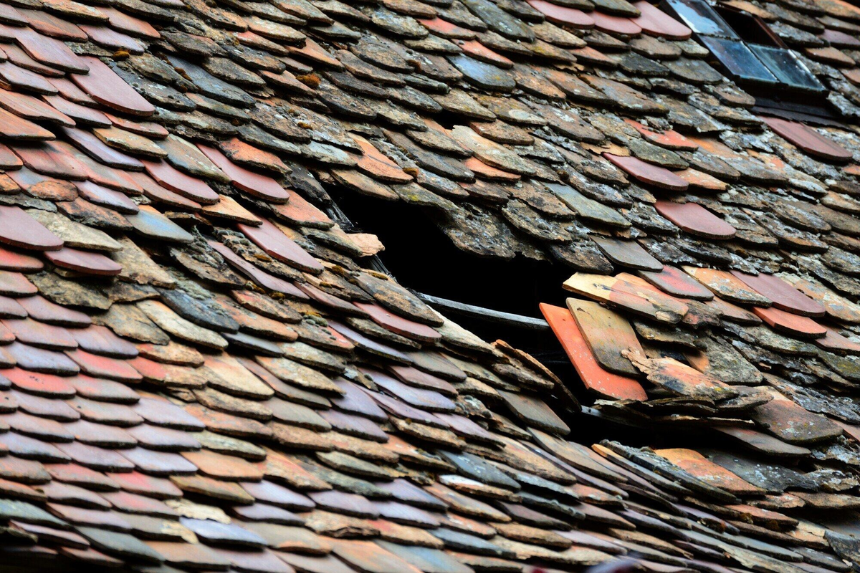
Your roof protects your home from rain, wind, heat, snow, and other outdoor conditions. Because it faces the weather every day, it can slowly wear down even when there is no major storm.
Some roof damage happens quickly, while other problems develop over many years. A strong wind may lift shingles in one afternoon, while heat and sunlight may slowly dry out roofing materials over time.
Understanding how weather affects your roof can help you spot problems early. Regular checks and simple maintenance can also help your roof last longer and reduce the chance of costly repairs.
Rain Can Find Small Weak Spots
Rain is one of the most common causes of roof problems. A roof may look fine from the ground but still have small gaps around flashing, vents, or shingles. Water can enter through these weak areas.
Once moisture gets inside, it may damage insulation, wood, ceilings, or walls. Small leaks can also be hard to notice at first. A stain on the ceiling may appear long after the water started entering.
After heavy rain, check the attic and upper floors for damp spots, dark marks, or unusual smells. Finding a leak early can help prevent a much larger repair later.
Wind Can Lift or Break Roofing Materials
Strong wind can damage shingles and other roof parts. It may lift the edges of shingles or tear them away completely. Loose flashing, ridge caps, and vents can also be affected.
Wind damage is not always easy to see from the ground. A missing shingle is obvious, but small lifted areas may be harder to notice.
After a major windstorm, walk around the property and look for loose roofing material in the yard. If the roof has visible damage or you are unsure about its condition, a professional inspection can help confirm what needs attention.
Regular Inspections Help Find Problems Early
A roof should not be ignored until water starts leaking inside. Regular inspections can help identify worn shingles, loose flashing, damaged seals, and drainage problems. Homeowners can safely check some areas from the ground.
Binoculars may help you see missing shingles or visible damage without climbing. Professional inspections may be useful after severe weather or when the roof is older.
Homeowners who need local help may choose to contact experts such as a roofing company in Buford when weather damage or signs of roof wear need a closer review. Early repairs are often easier to manage than emergency work.
Heat Can Age a Roof Faster
Hot weather can place steady stress on roofing materials. Dark roofs can become much hotter than the outdoor air during summer. This heat can cause some materials to dry out or become more brittle over time.
High attic temperatures may also add extra stress Good ventilation can help hot air escape from the attic and reduce heat buildup. Insulation also plays a role by helping control indoor temperatures.
Heat damage often happens slowly, which makes regular roof checks important. A roof may still look normal while materials are starting to weaken from years of sun and high temperatures.
Sunlight Can Break Down Materials
Sunlight affects a roof every day. Ultraviolet rays can slowly weaken shingles and other materials. Over time, surfaces may fade, crack, or lose some of their protective coating, and this type of damage is common on older roofs.
You may notice shingles that look dry, curled, or worn. Sun exposure can be stronger on certain parts of the roof depending on the direction the home faces.
Regular inspection helps you track these changes. If one section is aging faster than the rest, it may need attention before a larger problem develops.
Hail Can Cause Hidden Damage
Hail can damage a roof even when there are no obvious holes. Large hailstones may crack shingles, dent metal parts, or remove protective surface material. Some damage may only appear as small marks.
These areas can become weak points where water enters later. After a hailstorm, avoid climbing onto the roof yourself.
Instead, check the ground for signs such as damaged gutters, dented outdoor equipment, or pieces of roofing material. If the storm was severe, a professional roof inspection may be a safer way to find damage that is difficult to see.
Snow Adds Extra Weight
In colder areas, snow can place extra weight on a roof. Most roofs are designed to handle normal winter conditions, but deep or heavy snow may create more pressure.
Wet snow is especially heavy. Snow can also block roof drains or gutters.
As it melts, water may collect in areas where it cannot move away easily. Homeowners should avoid climbing onto a snowy or icy roof. If snow buildup looks extreme or you notice unusual roof movement, cracks, or sounds, it is safer to contact a qualified professional.
Ice Can Create Water Problems
Freezing weather can create ice around roof edges and gutters. When snow melts and then freezes again, ice may block water from draining. This can cause water to move under roofing materials.
The problem may lead to leaks, damaged gutters, or moisture inside the home. Proper attic insulation and ventilation can help reduce uneven roof temperatures. Keeping gutters clear before winter also supports better drainage.
If thick ice forms regularly, the cause should be checked instead of only removing the visible ice. The problem may be connected to heat loss from inside the home.
Storms Can Cause Several Problems at Once
Severe storms may combine wind, rain, hail, and falling debris. This can create several types of roof damage in a short time. A branch may crack shingles while heavy rain enters the damaged area.
Strong wind may also loosen gutters or flashing. After a storm, inspect the outside of the home from a safe location. Look for broken branches, missing shingles, damaged gutters, or pieces of roofing material on the ground.
If damage is serious, temporary protection may be needed until repairs can be completed. Avoid going onto the roof during or right after dangerous weather.
Falling Branches Can Damage the Roof
Trees can provide shade, but branches growing too close to the roof may create risks. Strong wind can break weak limbs and drop them onto shingles. Branches that constantly rub against the roof may also wear down roofing material.
Keep trees trimmed so large limbs do not rest directly over the house. This is especially important for older or damaged trees. A professional tree service may be needed for large branches.
Good tree care helps protect both the roof and the rest of the property during storms. It can also reduce the amount of leaves and debris that collect in gutters.
Leaves and Debris Can Trap Moisture
Leaves, pine needles, twigs, and dirt may collect on parts of the roof. When this material stays wet, it can hold moisture against the roofing surface.
Debris may also block valleys and drainage areas, and this makes it harder for rainwater to move off the roof. Gutters can become clogged at the same time.
Homeowners should keep the roof and gutters as clear as possible. For safety, use professional help if debris is located in a high or steep area. Good drainage helps protect roofing materials and reduces the chance of water entering the home.
Gutters Play an Important Role
Gutters move rainwater away from the roof and foundation. When they become clogged, water can overflow or back up near the roof edge. This may damage fascia boards, siding, or other nearby materials.
Check gutters during the year, especially after leaves fall or after major storms. Downspouts should also direct water away from the house. Loose or damaged gutters should be repaired before they create larger problems.
Roof care and gutter care work together. Even a strong roof can face moisture problems when water has no clear path away from the home.
Flashing Helps Keep Water Out
Flashing is often placed around chimneys, vents, skylights, and roof edges. Its job is to guide water away from areas where different materials meet. Weather can loosen or damage flashing over time.
Strong wind may lift it, while temperature changes can cause movement around seams. Rust or cracks may also appear on older metal flashing. Because these areas are common places for leaks, they should be checked during roof inspections.
Small flashing repairs can sometimes prevent major water damage. If the area is difficult to reach, professional service is the safer choice.
Temperature Changes Cause Expansion
Roofing materials expand when they become warm and contract when they cool. This happens every day, but large temperature changes can increase stress. Repeated movement may weaken fasteners, seals, and certain materials over time.
Homes in areas with hot days and cold nights may experience more of this movement. Seasonal temperature changes can also have an effect. You may not see damage right away.
Regular maintenance helps identify small cracks or loose areas before they allow water inside. A well-installed roof is designed to handle movement, but age can make materials less flexible.
Humidity Can Affect the Attic
Weather outside can also affect the space under the roof. High humidity may allow moisture to build up in the attic. Poor ventilation can make this worse.
Over time, moisture may damage wood or insulation and create conditions where mold can grow. Check that attic vents are not blocked. Also look for signs of condensation on nails, wood, or other surfaces.
A musty smell may be another warning sign. Good airflow and insulation can help control attic moisture. If the problem continues, a roofing or ventilation professional may need to inspect the space.
Roof Age Changes How Weather Affects It
Older roofs are often more sensitive to weather damage. Materials may become dry, loose, or brittle after years of sun, rain, and temperature changes. A storm that causes little damage to a newer roof may create bigger problems for an older one.
Knowing the age of your roof can help you plan maintenance. Keep records of repairs, inspections, and past storm damage.
If the roof is reaching the later part of its expected life, more frequent checks may be useful. Age alone does not always mean replacement is needed, but it does increase the need for careful monitoring.
Keep Records of Roof Repairs
Roof records can help you understand how the roof has changed over time. Write down the date of inspections, repairs, storm damage, and major maintenance.
Keep invoices and photos when possible. This information may help contractors understand past problems. It can also be useful if the home is sold later.
A record showing regular maintenance may give future buyers a clearer picture of the roof’s history. Photos are especially useful after storms.
They can help you compare new damage with the roof’s earlier condition. Simple records make long-term maintenance much easier to manage.
Know When a Repair Is Not Enough
Small problems can often be repaired, but there are times when repeated repairs may no longer make sense. A roof with widespread damage, severe age, or many weak areas may need larger work. Frequent leaks can also be a sign that the system is failing in several places.
A professional can help compare the cost of ongoing repairs with the cost of replacement. Do not decide based only on one visible problem.
The condition of the roof deck, flashing, ventilation, and other parts also matters. A full inspection can help you understand the bigger picture before making a major decision.
Protect Your Roof From Weather Over Time
Weather affects every roof, even when the damage is not easy to see. Rain can find small openings, wind can loosen materials, and heat can slowly age shingles. Hail, snow, ice, and storms can create sudden problems that need quick attention.
The best way to protect your roof is through steady maintenance. Keep gutters clear, watch nearby trees, check the attic, and look for signs of leaks or damage after severe weather.
Professional inspections can also help find problems that are difficult to see from the ground. Do not wait for water to enter the home before paying attention to the roof.
Small repairs are often easier and less expensive when they are handled early. With regular checks and proper care, your roof can continue protecting the home through many seasons of changing weather.
Check out the rest of our site for more!