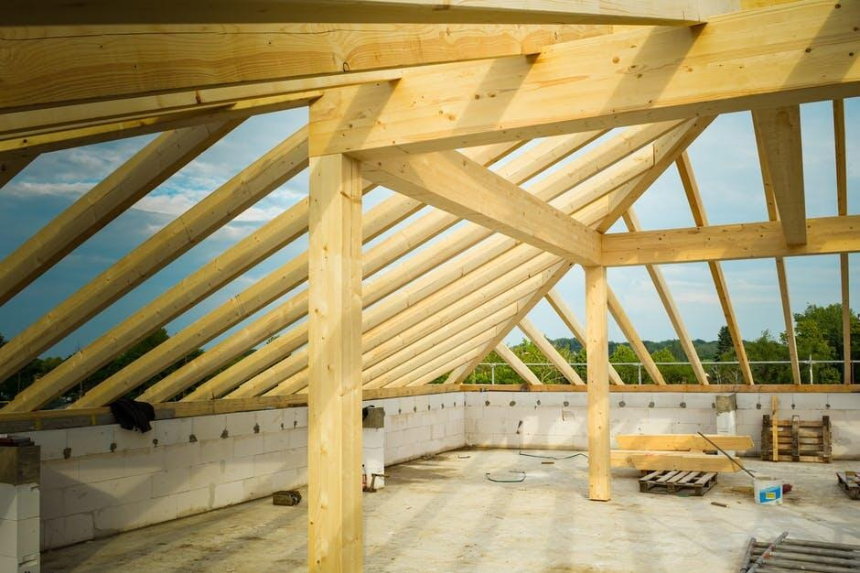
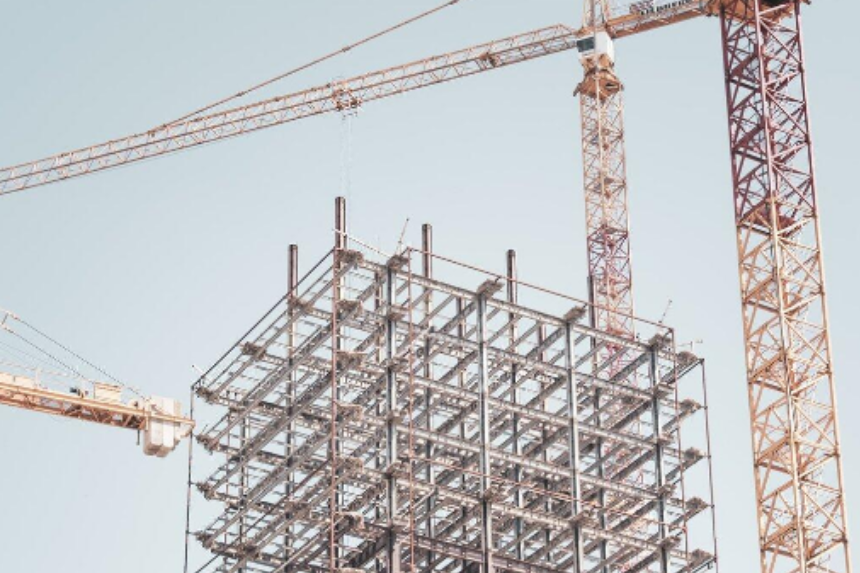
Starting a new building project is an exciting step for any property owner. The team you hire shapes daily site progress, material durability, and final craft.
Taking time to pick the right partner protects your money. It also keeps stress low from start to finish.
Continue reading to discover everything you need to know!
Look for Relevant Project Experience
Every structure needs hands-on trade skills and clear site leadership. As noted by the folks behind Robinson Construction, working with an experienced team brings deep field knowledge to complex jobs from day one. That steady background keeps work moving when surprise site problems appear.
It saves money and prevents headaches. Seasoned builders know local building codes. They secure required permits without costly delays.
Crews that focus on your specific building type deliver much better results. They understand structural demands, supply chains, and safety rules for that exact category.
Ask candidates about completed jobs similar to yours. This confirms their practical fit. A brief talk about past build sizes helps you check their technical range.
Review Past Work and Client Feedback
A dependable contractor proudly shows examples of finished work. High-grade teams share photo galleries, job logs, and case studies on their websites. Looking at these completed builds helps you judge build quality, framing precision, and finish details.
Direct feedback from past clients shows how a company operates on site. Reach out to at least 3 former clients. Ask about communication habits and schedule discipline.
Former clients will tell you if the crew arrived on time and respected agreed budgets. Honest reviews give you the clearest picture of what to expect on your own jobsite.
Compare Itemized Estimates and Budgets
Clear pricing protects your wallet from surprises down the road. Good firms provide written bids that break down each expense line item:
- Direct labor costs and trade crew fees.
- Building materials, brand grades, and delivery rates.
- Heavy machinery rentals and site setup costs.
- Local city permits, inspections, and license fees.
- Standard builder overhead and project profit margins.
Gathering detailed bids from 3 different firms lets you compare costs side by side. Set aside a contingency fund of 10% to 20%. This covers hidden ground issues or sudden material price shifts.
Clear paperwork helps both sides agree on project boundaries before work begins. A thorough breakdown prevents scope disputes before workers set foot on site.
Check Safety Records and Proper Credentials
Jobsite safety must stay a top priority through the entire build. Reliable construction firms carry full general liability insurance and current workers’ compensation coverage. They keep active state trade licenses and clean jobsite safety logs.
Verified coverage protects you against liability if an unexpected accident takes place. Ask about safety credentials and regular crew training routines. Crews with formal safety training report fewer accidents.
They also face fewer stop-work orders from city inspectors. Protecting workers on the ground keeps your project on schedule and your property secure. Strong safety standards show that a contractor takes their trade duties seriously.
Moving Forward With Your Project
Selecting the right builder sets the tone for your entire building journey. Solid planning, open budget talks, and thorough background checks lead to dependable results. When you partner with a skilled team, your vision becomes a solid structure built to last.
Take the next step today. Outline your project needs, set your budget, and reach out to licensed contractors for estimates.
Check out the rest of our site for more!