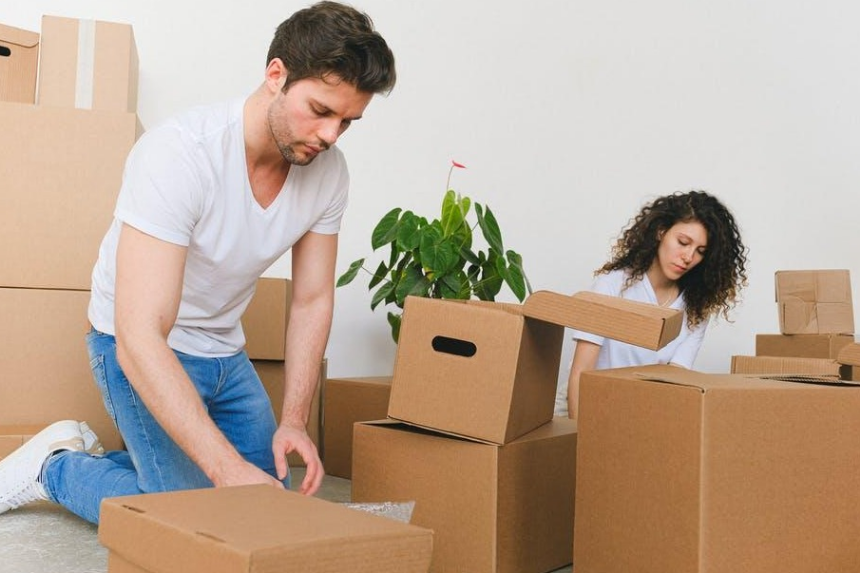
Moving to a new home is a major life event that brings a mix of excitement and stress. The idea of a fresh start is appealing, but the process of getting there might not be as easy as you expected.
The volume of items you have accumulated over the years becomes apparent only when you try to put them all in boxes. With a systematic approach and the right strategy, you can transform this task into a manageable project. Here’s how:
Start with a Strategic Declutter
Before you even think about purchasing a single box, you need to reduce the load. Packing items you no longer need is a waste of time, space, and money. Go through every room and be ruthless in your assessment.
Create three distinct piles:
- Keep
- Donate
- Discard
If you haven’t used an item in over a year, or if it no longer fits your lifestyle, it is a candidate for donation. Old electronics, clothes that don’t fit, and duplicate kitchen gadgets are common culprits.
Declutter first so that you are only paying to move the things that actually add value to your life. This step alone can cut your packing time and make unpacking much easier.
Tackle the Bedroom First
To make the process easier, begin with your bedroom. If you are looking for a detailed breakdown of this specific room, check online resources like Got2Move to handle mattresses, bed frames, and delicate decor efficiently. In this room, you have the most personal and delicate items.
Start with out-of-season clothing, which can be packed in suitcases or wardrobe boxes. For hanging clothes, wardrobe boxes allow you to transfer items directly from the closet to the box without folding.
For folded clothes, use medium-sized boxes to prevent them from becoming too heavy to lift. For bedding and pillows, use them as extra padding for fragile items or pack them in large, clean boxes.
Gather High-Quality Supplies
The quality of your packing materials directly impacts the safety of your belongings. It might be tempting to grab free boxes from the grocery store, but these are flimsy or contaminated. Invest in sturdy, double-walled cardboard boxes in a variety of sizes.
You will need heavy-duty packing tape, a tape dispenser, and bubble wrap or packing paper. Do not rely on newspaper for wrapping items, as the ink can transfer onto your possessions.
You will also need plastic stretch wrap to secure furniture parts and keep liquids from spilling. Having all your supplies on hand before you start prevents the frustrating stop-and-start rhythm that kills momentum.
The Room-by-Room Methodology
Resist the urge to bounce around the house. Packing one room at a time keeps items organized and makes the unpacking process logical. Label every box with the room it belongs to in the new house, not the room it came from.
If you have a box of books from the living room that will go into the new office, label it “Office – Books.” This method prevents the chaos of having a mountain of identical brown boxes with no clear destination.
Once you finish a room, seal it off mentally and move to the next. You will get a sense of accomplishment and visual progress, which is a huge motivator during a long and stressful move.
Master the Art of the Box
How you pack a box is just as important as what you pack in it. Always place heavier items on the bottom and lighter items on top to prevent crushing and keep the box balanced. Do not leave empty spaces in boxes, as this allows items to shift and break during transit.
Fill gaps with packing paper, towels, or socks. Be careful not to overpack boxes to the point where they are too heavy to lift safely.
A general rule is to keep boxes under 50 pounds. If you are packing books, use small boxes specifically for this purpose to keep the weight manageable.
Protect Fragile Items with the “Double Box” Method
Glassware, ceramics, and electronics require special attention. For high-value or sentimental fragile items, the “double box” method is the gold standard. Wrap the item thoroughly in bubble wrap and place it in a small box that fits snugly, filling any gaps with paper.
Put that small box inside a larger box that is lined with packing peanuts or crumpled paper, creating a shock-absorber effect. For plates, wrap each one individually and place them vertically in the box to distribute pressure evenly along their edges.
Label Like a Professional
A simple marker scribble on the top of a box is not enough for an efficient move. Use a labeling system that helps both you and your movers. Write the destination room on the top and at least two sides of the box.
Consider using colored tape to color-code rooms: blue tape for the kitchen, red for the living room, and green for the bedroom. Create a “Priority” box for each room containing the items you will need immediately upon arrival, such as toiletries, a change of clothes, phone chargers, and basic tools. Mark these boxes clearly so they are the first ones you open.
Prepare an “Open First” Kit
Do not pack the essentials you need for the last night in your old home and the first night in your new one. Pack a suitcase or a clear plastic bin as if you were going on a weekend trip. Include toilet paper, hand soap, a shower curtain, towels, medications, a coffee maker, and snacks.
Keep this kit with you in your personal vehicle rather than loading it onto the moving truck. Having these items immediately accessible on moving day prevents the sinking feeling of opening 10 boxes just to find a toothbrush. You can shower, sleep, and wake up refreshed without having to unpack the entire house.
Move Smarter, Not Harder
Efficient packing is about being intentional with your time and resources. The strategies outlined above are designed to protect your belongings and streamline your unpacking process.
A successful move is measured not by how quickly you pack, but by how calmly you transition into your new space. When you open that final box and find everything intact and organized, the extra effort will feel worthwhile.
Check our blog for more home tips and trends.