

For a Los Angeles, California, homeowner’s association, a large painting project is more than a visual refresh. Intense sun, coastal moisture, dry heat, windblown dust, and neighborhood-specific architectural standards can all affect the work. Planning early helps boards protect building exteriors, manage resident expectations, and make sound use of association funds. When evaluating HOA painting services Los Angeles, boards should begin with the property’s real maintenance needs rather than color selections alone.
Whether a community includes hillside townhomes, courtyard condominiums, or low-rise multifamily buildings near the coast, the strongest results come from a clear process. A thoughtful plan reduces surprise repair costs, conflicting resident notices, schedule disruptions, and disputes over the finished appearance.
1. Why Planning Matters
Community painting involves access, parking, landscaping, balconies, gates, shared walkways, and daily resident routines. In Los Angeles, scheduling also needs flexibility for heat advisories, occasional rain, marine-layer dampness, and Santa Ana wind conditions. A plan established months before the first wash or scrape gives the board a fair way to track progress, control changes, and keep the project moving.
2. Start With A Property Review
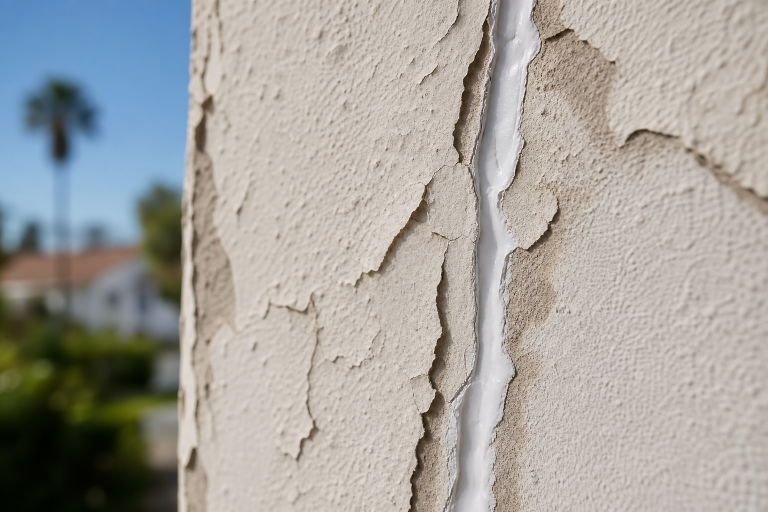
Before requesting proposals, walk every building and shared structure. Record peeling paint, chalking, cracks, stains, water marks, damaged trim, rusting railings, and failed caulking. Take dated photographs and separate paint-related preparation from carpentry, stucco, waterproofing, or drainage repairs. This prevents contractors from guessing about conditions that should be identified before pricing.
3. Check The Budget And Reserve Plan
Painting should fit the association’s broader maintenance strategy. Review reserve funds, current operating needs, expected repair costs, access equipment, contingency amounts, and any approval requirements in the governing documents. The Community Associations Institute’s reserve study guidance can help boards understand why long-term funding plans matter for shared-property maintenance.
- Confirm whether exterior painting appears in the reserve schedule.
- Request realistic cost ranges instead of relying on one broad estimate.
- Set aside contingency funds for concealed damage and weather delays.
- Explain major funding decisions to residents in clear, nontechnical language.
4. Build A Clear Project Scope
A detailed scope allows every bidder to price the same work. The list included buildings, walls, trim, doors, railings, fences, common-area structures, and excluded surfaces. Specify washing, scraping, sanding, patching, caulking, priming, finish coats, cleanup, and touch-up expectations. The scope should also state who is responsible for moving furniture, protecting vehicles, covering plants, and addressing hidden damage through written change orders.
5. Choose Colors And Finishes With Care
Los Angeles sunlight can make colors appear much brighter than they do on a small sample card. Test approved options on actual exterior surfaces, then view them in morning sun, afternoon light, shade, and, where applicable, coastal haze. Consider roofs, hardscape, drought-tolerant landscaping, nearby structures, and any architectural rules that govern the community. Record final color names, manufacturer codes, sheens, and approved locations for future maintenance.
6. Compare Contractor Bids
The lowest number is not automatically the best value. Compare proposals for preparation standards, product specifications, labor, project supervision, schedule, insurance, communication procedures, warranty coverage, and payment terms. Ask for recent references from occupied communities, proof of required licensing and insurance, and a clear explanation of how the contractor handles added repairs or weather-related delays.
7. Create A Resident Communication Plan
Residents are more likely to cooperate when they receive useful information before disruption begins. Send a general project notice, followed by building-specific updates as each phase approaches. Notices should explain parking changes, balcony access restrictions, window and patio preparation, pet safety, work hours, and a reliable contact for questions. Keep messages brief, specific, and realistic about possible schedule changes.
Change block type or style
Block Paragraph is at the beginning of the content and can’t be moved up
Move Paragraph block from position 1 down to position 2
Change alignment
Change text alignment
Displays more block tools
blob:https://buzzsplatter.com/32150257-fb94-4afa-9ce8-d388e869aa6eMeta Boxes
Use up and down arrow keys to resize the meta box pane.Move upMove downToggle panel: Yoast SEO
Optimize your content for discovery or get new content suggestions.Get content suggestions
Focus keyphrase
Focus keyphrase
Use the main word or phrase you want your content found for across search, AI, and beyond. Learn more about best practices for keyphrases.(Opens in a new browser tab)
Discover related keyphrases(Opens in a new browser tab)
Search appearance
Determine how your post should look in the search results.Google preview
MobileGoogle preview: Switch to desktop preview. Currently showing mobile preview.
Desktop
Url preview:

BUZZ SPLATTERbuzzsplatter.com
SEO title preview:
How Los Angeles, California HOAs Can Plan a Smooth Community Painting …
Meta description preview:
Aug 8, 2026 - Please provide a meta description by editing the snippet below. If you don’t, Google will try to find a relevant part of your post to show in the search results.
SEO titleInsert variableGenerate SEO title
Title Page Separator Site title
Slug
Meta descriptionInsert variableGenerate meta description
SEO analysisEnter a focus keyphrase to calculate the SEO score
Add related keyphrasePremiumTrack SEO performance
Content blocksNew
Internal linking suggestionsPremium
Cornerstone content
Insights
PostBlock
Paragraph
Start with the basic building block of all narrative.
Color
Text
Background
Warning notice
This color combination may be hard for people to read. Try using a brighter background color and/or a darker link color.
Typography
Font size
Dimensions
All options are currently hidden
Border
All options are currently hidden
Advanced
Skip to the selected blockOpen publish panel
- Post
- Paragraph
8. Schedule The Work In Phases
Phasing keeps a large Los Angeles community from feeling like one continuous construction zone. Group buildings by location, access needs, or construction type. Allow adequate time for washing, drying, repairs, priming, and coating application. Avoid major resident events when practical, and maintain one current schedule shared by the board, manager, contractor, and residents. If weather or repairs shift a phase, communicate the revision promptly.
9. Include Safety And Cleanup Steps
Safety belongs in the written scope. Active work areas should have barriers and visible signs, while entrances, emergency routes, and pedestrian paths remain usable whenever possible. Require daily debris removal and protection for windows, plants, lighting, vehicles, and outdoor equipment. For buildings constructed before 1978, boards should also ask whether lead-safe requirements apply. The EPA’s lead-safe renovation guidance outlines practical steps for controlling dust, containing debris, and cleaning affected areas.
10. Inspect And Close The Project
The final walkthrough should be deliberate, not a quick view from the street. Compare each painted area with the approved scope and inspect for coverage, color consistency, drips, overspray, missed spots, damaged landscaping, and incomplete repairs. Document punch-list items with photographs, collect warranties and product records, and retain color information for later touch-ups. Final payment should follow completion of agreed corrections.
11. Common Questions
How far ahead should an HOA plan a painting project?
Begin as soon as the property condition, reserve funding, approval process, and project size are understood. Larger communities often need several months for inspections, bidding, board decisions, resident notices, and scheduling.
Should residents vote on exterior colors?
The governing documents should guide the answer. Resident feedback can be valuable, but the board should clearly state whether comments are advisory or part of a formal vote.
What happens if hidden damage is found?
The contractor should document the condition, provide a written cost and schedule impact, and wait for approval before proceeding unless immediate action is necessary to prevent further damage or danger.
12. Conclusion
A successful HOA painting project in Los Angeles, California, starts with planning, not painting. By reviewing conditions, funding the work responsibly, defining the scope, selecting colors in local light, comparing complete bids, communicating clearly, and inspecting carefully, an association can protect its property while making the process easier for residents and staff.