
Introduction: Why Downtime Is More Expensive Than Ever
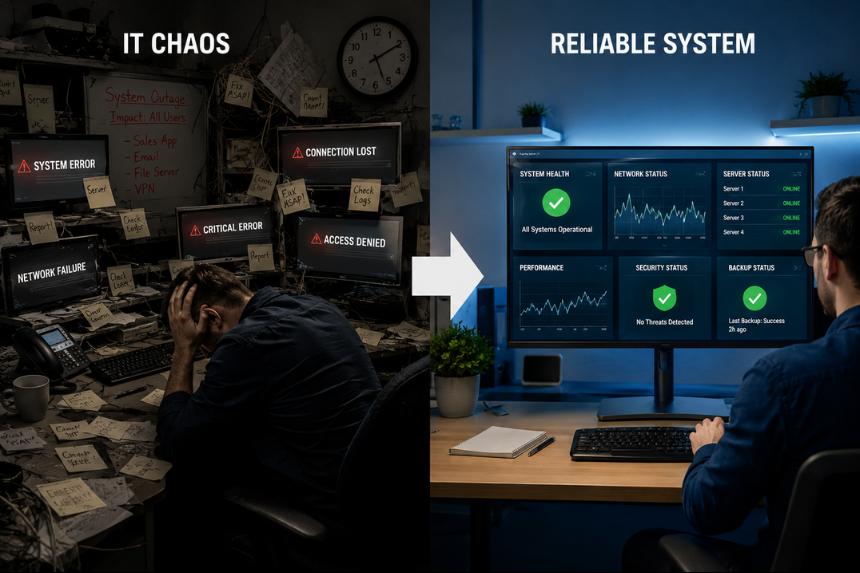
Unexpected outages do more than inconvenience your IT department. They interrupt daily operations, delay customer service, and create financial losses that can quickly spiral out of control. Whether it’s a server failure, ransomware attack, or network issue, every minute your systems remain unavailable affects productivity and revenue.
Recent research shows that the average cost of downtime has climbed to $15,000 per minute, while organizations also experience a decline in value following major outages. Lost sales, stalled projects, and idle employees all contribute to the growing price tag.
For organizations in healthcare, accounting, legal services, and construction, downtime creates even greater risks. Extended disruptions can jeopardize compliance, expose sensitive information, and weaken customer trust. Building a resilient disaster recovery strategy is no longer optional. It is a critical part of protecting long-term business continuity.
Why Proactive Recovery Planning Matters
Businesses that rely on reactive IT support often discover the true cost of downtime only after a major issue has already occurred. Modern organizations need a strategy that focuses on prevention rather than emergency response.
Strong disaster recovery plans are built around several key principles. First, reducing downtime requires more than repairing systems after they fail. Second, technology should support overall business goals instead of functioning as a separate operational concern. Finally, combining internal expertise with outside support can improve resilience and help organizations recover faster when unexpected disruptions occur.
The Hidden Dangers of the Reactive “Break/Fix” IT Model
Waiting until technology fails before addressing problems is an expensive approach. Businesses often end up paying for emergency repairs while also absorbing losses caused by stalled operations. Industry research estimates that the total cost of unplanned downtime for large organizations reaches hundreds of billions of dollars every year.
These losses occur when IT is treated as a support function rather than an operational priority. A reactive approach increases the risk of data loss, longer recovery times, and compliance violations.
Industries that manage sensitive information are particularly vulnerable. Healthcare providers depend on uninterrupted access to patient records, while accounting firms and legal practices must safeguard confidential data. Even a short outage can create serious consequences.
Organizations looking to break this cycle are increasingly turning to managed IT services in Greenville to gain proactive monitoring and ongoing support that prevent small issues from becoming major disruptions.
Why Disaster Recovery Requires a Proactive Mindset
Many companies assume that backing up files is enough. In reality, backups are only one piece of a larger strategy. A disaster recovery plan outlines how systems, applications, and data will be restored quickly when unexpected events occur.
Adopting a proactive mindset changes how organizations approach technology. Instead of constantly reacting to emergencies, businesses focus on identifying risks before they affect operations.
Resilient organizations understand that disruptions are inevitable, but lengthy outages do not have to be. Continuous monitoring, layered security, and regular system assessments help uncover weaknesses early. This preparation allows businesses to recover faster and avoid prolonged interruptions when problems arise.
Core Elements of a Disaster Recovery Roadmap
A strong disaster recovery strategy combines technology with clearly defined procedures. The goal is to ensure that systems can be restored quickly and that employees know exactly how to respond when issues occur.
Before building a roadmap, organizations should define two important metrics:
- Recovery Time Objective (RTO): How quickly systems need to be restored.
- Recovery Point Objective (RPO): How much recent data loss the organization can tolerate.
Key Components and Their Benefits
| Disaster Recovery Component | Business Advantage |
| Redundant Systems | Keeps critical applications available when primary hardware fails. |
| Rapid Data Recovery Processes | Minimizes downtime and speeds up restoration efforts. |
| Compliance Controls | Helps organizations maintain regulatory requirements after an incident. |
| Cloud Failover Solutions | Supports remote operations and provides continuity during disruptions. |
| Continuous Monitoring | Identifies issues early before they affect users and productivity. |
Combining these elements creates a more resilient infrastructure and reduces the impact of unexpected outages.
The BTS Methodology: Connecting IT to Business Goals
Technology solutions deliver greater value when they support broader business objectives. Unfortunately, many organizations struggle to bridge the gap between technical requirements and operational priorities.
A Business Technology Strategist (BTS) helps close that gap through a structured process built around three stages.
Discover
The first step involves evaluating existing systems, identifying vulnerabilities, and understanding daily workflows. This phase highlights areas where outages or compliance issues could have the greatest impact.
Strategy
After assessing the environment, a customized roadmap is developed. Priorities are established based on the systems that matter most to the business, ensuring resources are invested where they deliver the greatest value.
Execution and Support
The final stage focuses on implementation and ongoing oversight. Continuous monitoring, routine maintenance, and proactive improvements help maintain stability over the long term.
This process transforms disaster recovery from a technical concern into an essential part of business planning.
Strengthening Recovery with Co-Managed IT Services
Many organizations already have internal IT personnel, but day-to-day responsibilities can consume most of their time. Password resets, software updates, and user support requests often leave little room for strategic projects.
Co-managed IT services provide additional expertise without replacing the internal team. External specialists supplement in-house staff with advanced tools, security resources, and around-the-clock monitoring.
This partnership offers several advantages:
- 24/7 oversight and monitoring.
- Continuous backup verification.
- Faster incident response.
- Access to specialized expertise.
- Reduced workload for internal teams.
If an outage occurs overnight or during a weekend, recovery procedures can begin immediately. Internal staff gain the freedom to focus on larger initiatives while experienced professionals handle ongoing maintenance and disaster preparedness.
Conclusion
Operating without a proactive disaster recovery strategy exposes businesses to unnecessary financial and operational risks. The cost of downtime continues to rise, making resilience a top priority for organizations of every size.
Moving away from a reactive break/fix approach provides clear benefits. Businesses can recover data faster, reduce costly interruptions, and maintain compliance with industry requirements.
A well-designed disaster recovery roadmap does more than prepare you for worst-case scenarios. It creates a stronger, more reliable technology foundation that supports growth and keeps operations moving, even when unexpected challenges arise.
Preparing ahead of time gives organizations the confidence to respond effectively when problems occur. With the right strategy and support in place, businesses can focus on growth instead of worrying about whether the next outage will bring operations to a halt.