Introduction
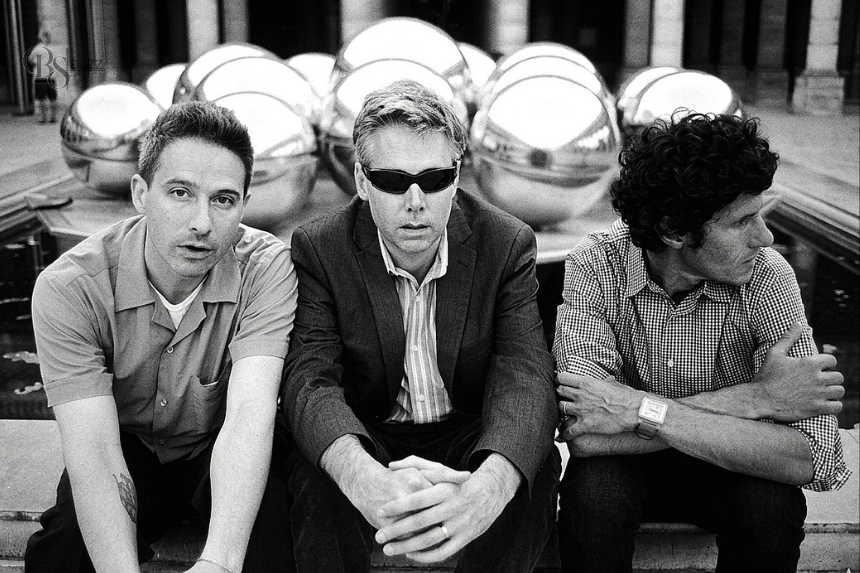
The Beastie Boys transformed from a rebellious New York punk group into one of the most commercially successful acts in hip-hop history. Over four decades, the trio, Michael “Mike D” Diamond, Adam “MCA” Yauch, and Adam “Ad-Rock” Horovitz, built a music empire through album sales, sold-out tours, publishing royalties, merchandise, and carefully protected intellectual property.
The Rise of the Beastie Boys
Formed in New York City in 1981, the Beastie Boys initially began as a hardcore punk band before shifting toward hip-hop. Their breakthrough came with the release of Licensed to Ill in 1986, a record that became the first rap album to reach No. 1 on the Billboard 200 chart.
The album’s commercial impact was enormous. It eventually achieved Diamond certification in the United States, selling more than 10 million copies. Songs such as “Fight for Your Right” and “No Sleep Till Brooklyn” helped establish the group as mainstream stars at a time when hip-hop was still emerging commercially.
The trio’s success did not stop there. Albums including Paul’s Boutique, Check Your Head, Ill Communication, and Hello Nasty expanded both their artistic reputation and financial earnings. Over time, the Beastie Boys sold more than 40 million records worldwide, making them one of the highest-selling rap groups ever.
Beastie Boys Net Worth
The combined Beastie Boys wealth came from several interconnected revenue streams. Album sales laid the foundation, but touring, publishing rights, merchandise, licensing agreements, and investments significantly expanded their fortunes over time.
Current industry estimates place both Mike D and Ad-Rock at approximately $100 million each, reflecting decades of earnings from music sales, touring, publishing royalties, and investments. In contrast, Adam Yauch’s estate was officially valued at roughly $6.4 million following his death in 2012.
Taking individual fortunes and estate valuations into account, the combined Beastie Boys net worth is estimated at approximately $206 million, reflecting the group’s enduring commercial and cultural influence in hip-hop history.
Facts About Beastie Boys Net Worth
| Fact | Details |
| Group Name | Beastie Boys |
| Founded | 1981 |
| Origin | New York City, United States |
| Members | Michael “Mike D” Diamond, Adam “MCA” Yauch, Adam “Ad-Rock” Horovitz |
| Genre | Hip-Hop, Rap Rock, Alternative Hip-Hop |
| Combined Net Worth | Approximately $206 million |
| Mike D Net Worth | Around $100 million |
| Ad-Rock Net Worth | Around $100 million |
| Adam Yauch Estate Value | Approximately $6.4 million at time of death |
| Worldwide Record Sales | More than 40 million albums |
| U.S. Album Sales | Over 20 million albums |
| Breakthrough Album | Licensed to Ill (1986) |
| Biggest Commercial Achievement | First rap album to reach No. 1 on Billboard 200 |
| Diamond-Certified Album | Licensed to Ill |
| Major Revenue Sources | Album sales, touring, publishing royalties, merchandise, licensing |
| Notable Legal Win | Won approximately $1.7 million in Monster Energy lawsuit |
| Final Studio Album | Hot Sauce Committee Part Two (2011) |
| Rock and Roll Hall of Fame | Inducted in 2012 |
| Publishing Rights Strategy | Strong protection of music ownership and licensing rights |
| Merchandise Revenue | Significant earnings from apparel, posters, collectibles, and reissues |
| Streaming Income | Ongoing royalties from Spotify, Apple Music, YouTube, and digital platforms |
| Notable Side Ventures | Oscilloscope Pictures, documentaries, memoir publishing, film projects |
| Mike D Additional Assets | Art inheritance and luxury real estate investments |
| Cultural Legacy | One of the most influential and commercially successful hip-hop groups ever |
Mike D Net Worth and Financial Growth
Michael “Mike D” Diamond became one of the most financially successful members of the group. Beyond music royalties, he benefited from investments, real estate, and family assets connected to the art world.
As a founding member, Mike D shared equally in songwriting royalties and tour profits throughout the Beastie Boys’ career. Albums such as Licensed to Ill and Hello Nasty generated millions in royalties through physical sales, digital downloads, and streaming platforms.
Mike D’s financial portfolio expanded further after inheriting valuable artwork from his family. In 2021, a Sotheby’s auction connected to his mother’s collection reportedly generated approximately $26.7 million. That event alone substantially increased public estimates of his personal wealth.
Real estate has also contributed to his fortune. Reports surrounding his Malibu property holdings and luxury investments suggest that his wealth extends well beyond music income.
Even after the Beastie Boys disbanded following MCA’s death, Mike D continued earning through documentaries, production work, publishing royalties, and media appearances related to the group’s legacy.
Ad-Rock Net Worth and Career Earnings
Adam “Ad-Rock” Horovitz built his wealth through a combination of music, songwriting, touring, and acting. Like the other members, he held equal ownership stakes in much of the Beastie Boys catalog, allowing him to benefit continuously from streaming and licensing royalties.
Ad-Rock also pursued film and television opportunities throughout his career. His acting appearances and media projects created additional revenue streams outside music.
Financially, his success reflects the power of long-term music ownership. Albums that sold millions of copies decades ago still produce recurring royalties through Spotify, Apple Music, YouTube, and film synchronization deals.
Because the Beastie Boys maintained cultural relevance across generations, their catalog continues attracting younger audiences, preserving the value of Ad-Rock’s publishing income.
Adam Yauch Estate and Financial Legacy
Adam “MCA” Yauch remains one of the most respected figures in hip-hop history, both artistically and personally. However, his official estate value surprised many fans.
At the time of his death in 2012, MCA’s estate was estimated at approximately $6.4 million. Compared with the fortunes associated with Mike D and Ad-Rock, the number appeared relatively modest.
Several factors may explain the difference. Yauch invested heavily in filmmaking through Oscilloscope Pictures and supported numerous philanthropic causes, including Tibetan independence activism and humanitarian projects. He may also have held assets in private structures that were not fully reflected in public estate records.
One of the most significant aspects of Yauch’s legacy involved intellectual property rights. His will specifically prohibited Beastie Boys music from being used in advertising campaigns. That decision shaped the group’s posthumous licensing strategy and limited certain commercial opportunities.
Touring Revenue and Album Sales
One major reason behind the Beastie Boys’ financial success was their dominance as a live act.
During the late 1980s and 1990s, the group headlined global tours that generated substantial ticket revenue and merchandise sales. Concert income often exceeded recording royalties, especially after record label deductions and production costs.
Albums remained highly profitable as well. Key releases achieved impressive certifications:
- Licensed to Ill – 10× Platinum
- Ill Communication – 3× Platinum
- Hello Nasty – 3× Platinum
- To the 5 Boroughs – Platinum
Because the trio co-wrote their music, they benefited not only from artist royalties but also from publishing rights. That distinction significantly increased their long-term earnings.
Even decades later, streaming platforms continue generating passive income from their catalog.
Publishing Rights and Licensing Income
Publishing rights are often the hidden engine behind celebrity wealth in the music industry. For the Beastie Boys, songwriting ownership created recurring revenue that extended far beyond album release cycles.
Their music has appeared in films, documentaries, games, and television projects, producing synchronization fees and royalty payments. Although MCA restricted advertising usage, other forms of licensing still contributed to overall earnings.
The group also secured legal victories protecting their intellectual property. One of the most notable cases involved Monster Energy, which used Beastie Boys music without authorization. The lawsuit resulted in a reported $1.7 million award.
These cases reinforced the value of ownership and brand control in the entertainment industry.
Merchandise and Brand Influence
Beastie Boys merchandise became a major business during the peak of their popularity. T-shirts, posters, tour apparel, vinyl reissues, and collectibles generated additional revenue across multiple decades.
The group’s cultural influence also increased the long-term value of their brand. Unlike many artists tied to a single era, the Beastie Boys maintained relevance through documentaries, books, streaming platforms, and renewed interest in classic hip-hop.
Their memoir, Beastie Boys Book, along with the Beastie Boys Story documentary, introduced the group to newer audiences while creating additional publishing and licensing income.
Why Beastie Boys Wealth Still Matters Today
The financial story behind the Beastie Boys is not simply about celebrity fortunes. It reflects how ownership, creative control, and longevity can shape wealth in the music business.
The group consistently prioritized artistic independence. They controlled publishing rights, protected their intellectual property, and avoided excessive commercial licensing that could dilute their identity.
As streaming continues reshaping the music industry, catalogs from legendary artists have become increasingly valuable assets. The Beastie Boys catalog remains commercially powerful because their music still resonates across generations.
For Mike D and Ad-Rock, that enduring popularity continues translating into steady royalty income and rising net worth estimates.
Final Thoughts on Beastie Boys Net Worth
The Beastie Boys built one of hip-hop’s most enduring financial legacies through music sales, touring, publishing ownership, merchandise, and strategic brand management. While public estimates vary, Mike D and Ad-Rock are widely believed to possess fortunes near $100 million each, reflecting decades of sustained success.
Adam Yauch’s estate, officially valued at roughly $6.4 million, tells a more complex story shaped by philanthropy, artistic investments, and personal priorities. Together, their financial histories reveal how influential artists can create lasting wealth while maintaining creative integrity.
More than a successful rap group, the Beastie Boys became a cultural institution — and their economic legacy continues growing long after their final album.