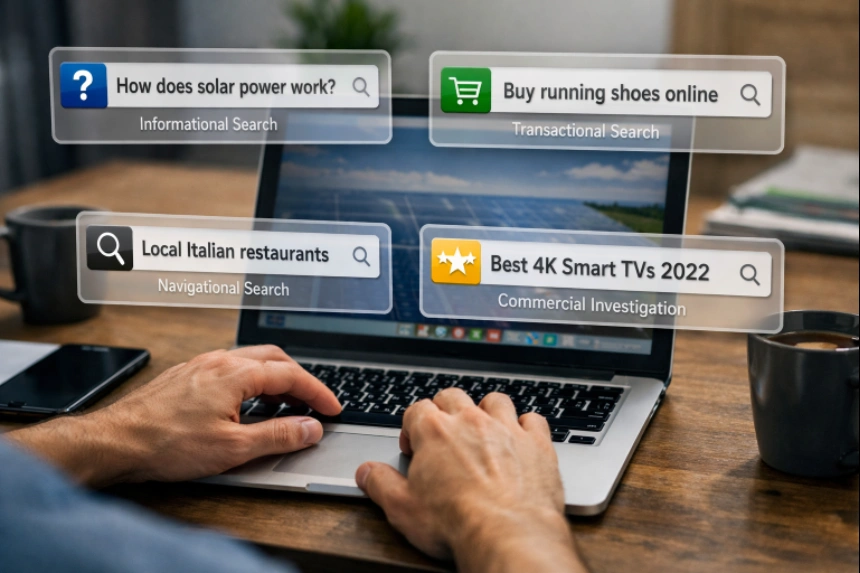
If you’ve ever searched for something on Google, maybe a nearby coffee shop, a repair service, or even a place to buy shoes—you’ve already experienced SEO in action. The businesses that show up on that first page didn’t get there by accident. They’ve likely invested in strategies that help them be found at exactly the right moment.
But here’s the real question: what does “good SEO” actually mean for a business? It’s not just about ranking higher. It’s about results you can see—more calls, more sales, more visits, and ultimately, more growth. That’s where results-driven SEO comes in.
Instead of focusing on vague metrics like “traffic increase,” this approach ties every effort to real business outcomes. Let’s break it down in a simple, practical way.
What “Results-Driven SEO” Really Means (Without the Jargon)
SEO stands for Search Engine Optimization, which is just a way of improving your website so it appears when people search for things online. But results-driven SEO takes it a step further—it asks, “Is this actually helping the business grow?”
Think of it like running a small bakery. It’s nice if lots of people walk past your shop, but what really matters is how many come in and buy bread. SEO traffic is the same. Getting visitors is good, but getting the right visitors who actually convert into customers is what matters.
A results-focused approach usually looks at things like:
- Are people contacting the business after finding it online?
- Are they filling out forms or booking appointments?
- Are online sales increasing?
- Are local customers finding the business more easily?
Instead of chasing random clicks, the strategy focuses on intent—understanding what people really want when they search and matching it with the right content or service.
For example, someone searching “best dentist near me” is likely ready to book an appointment. That’s far more valuable than someone searching “how teeth are made,” even if both bring traffic.
Real-World Examples: How Different Industries Benefit
To really understand how this works, it helps to see it in everyday life across different industries.
Take a local plumbing business. Years ago, they might have relied on word-of-mouth or flyers. Now, when someone’s kitchen pipe bursts at 10 p.m., they grab their phone and search “emergency plumber near me.” If that business has optimized its website properly, it appears right away with clear contact info and service details. That one search can turn into an immediate job.
Or think about a small clothing boutique. Instead of competing with massive fashion brands, they focus on searches like “handmade summer dresses” or “local boutique dresses in [city].” With the right SEO approach, they can attract people who are actively looking for unique items, not just browsing.
Even service-based professionals benefit. A freelance photographer, for instance, might rank for “wedding photographer in Naga” or “affordable event photography.” When couples are planning weddings, they don’t scroll endlessly—they choose from what’s visible and trustworthy on the first page.
Healthcare clinics, real estate agencies, online stores, and even restaurants all follow the same pattern. The goal is simple: show up when someone is ready to take action.
And in all these cases, the success isn’t measured by how many people visit a website—it’s measured by what those visitors do next.
Turning Visibility into Measurable Growth
Here’s where things get interesting. Many businesses assume SEO is just about ranking. But ranking alone doesn’t pay the bills.
What actually matters is conversion—turning visitors into paying customers. This is where a results-driven strategy really proves its value.
Let’s say a fitness trainer builds a website and starts appearing on Google for “personal trainer at home workouts.” If 1,000 people visit the site but no one books a session, something is off. Maybe the content isn’t aligned with what people want, or maybe the call-to-action isn’t clear.
Now imagine another scenario: 300 visitors come in, but 30 of them book a session. That’s a much better outcome. Fewer visitors, but stronger results.
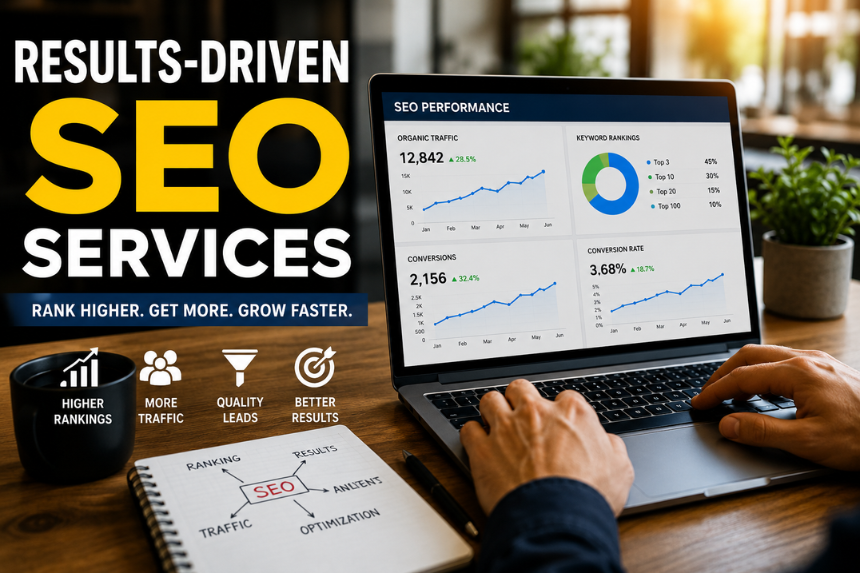
This is why businesses that focus on measurable growth often track:
- Leads generated (calls, messages, sign-ups)
- Conversion rates (how many visitors become customers)
- Revenue from organic search
- Customer behavior on the website
A good SEO strategy adjusts based on this data. If something isn’t working, it gets refined—just like adjusting a recipe when baking a cake that didn’t rise properly the first time.
This is also where strategic planning becomes important. Keyword research, content structure, page speed, and user experience all work together like pieces of a puzzle. If one piece is missing, the results can fall flat.
In practical terms, this is what separates random online visibility from real business growth. And this is exactly why many companies now invest in results-driven SEO services instead of generic SEO work. The focus is not just on being seen, but on being chosen—and chosen repeatedly.
When done properly, the impact is noticeable. A small increase in search visibility can lead to steady inquiries every day. Over time, that compounds into consistent revenue growth without relying heavily on ads.
Why This Approach Matters More Than Ever
The internet is more competitive than ever. Almost every business—big or small—has a website now. That means simply existing online isn’t enough anymore.
People are also more selective. They don’t just click the first result blindly. They look at reviews, compare options, and expect useful information immediately. If a website doesn’t answer their question quickly, they move on.
That’s why SEO today is less about “tricks” and more about clarity and usefulness. Businesses that explain their services clearly, answer real customer questions, and make it easy to take action tend to win in the long run.
Another important factor is earning authority naturally. Instead of relying on outdated link-building tactics, many businesses now focus on link earning—creating valuable content and resources that attract backlinks organically from relevant websites. This approach not only strengthens search visibility but also supports long-term credibility and trust.
Even small improvements can make a big difference. For example:
- A restaurant adding clear menu pages and location details can get more walk-ins.
- A tutoring service answering common student questions can attract more parents searching online.
- A repair shop showing pricing transparency can build more trust and inquiries.
It all comes back to one idea: helping the user first, and the growth follows naturally.
Final Thoughts
At its core, SEO isn’t just a digital marketing tactic—it’s a way of connecting people with solutions at the exact moment they need them. When done with a focus on real outcomes, it stops being abstract and starts becoming a reliable source of business growth.
Instead of chasing rankings for their own sake, the smarter approach is to ask: Is this bringing in the right customers? Is it helping the business move forward?
When the answer is yes, SEO becomes more than visibility—it becomes momentum.