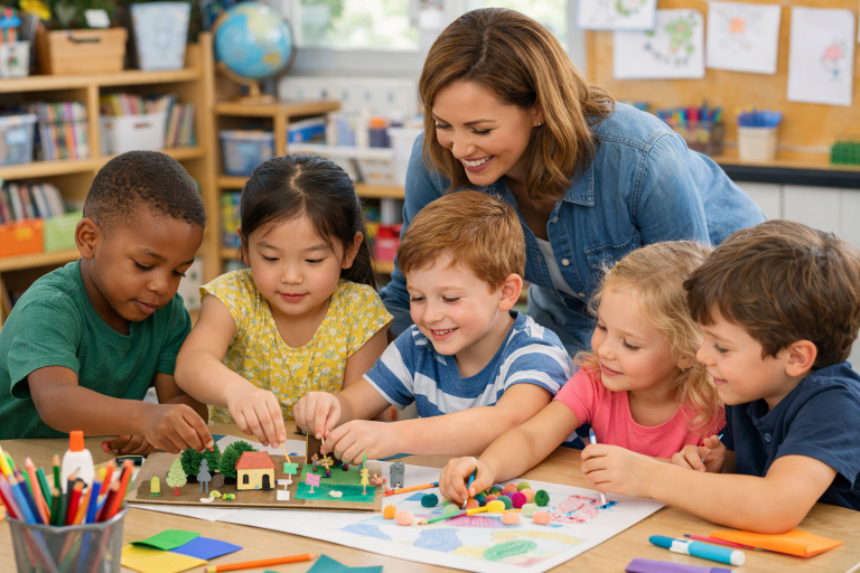
Project-Based Learning (PBL) is transforming early education by making classroom experiences more interactive and relevant for first graders. When children participate in inquiry-driven, hands-on projects, they gain academic, social, and emotional benefits. With PBL, students work together, solve problems, and build meaningful connections with their lessons and each other. For classroom-ready activities that integrate writing and creativity, teachers can find engaging 1st grade writing prompts for daily practice that fit seamlessly into a PBL curriculum.
This approach not only supports literacy and critical thinking but also encourages curiosity by immersing students in authentic challenges. First graders develop ownership of their learning, which increases motivation and deepens understanding. When lessons feel relevant, students are eager to participate and express ideas. As a result, PBL can lay the foundation for lifelong learning habits and adaptability.
Teachers adopting PBL notice improvements beyond academics, including better communication, confidence, and empathy. Young learners explore their interests within projects, experiencing success as a team and as individuals. By fostering collaboration, teachers help build stronger classroom communities and prepare students for real-world challenges.
Successfully implementing PBL requires thoughtful project planning, clear objectives, and accessible resources. Even when faced with challenges like limited classroom time or materials, educators can adapt and draw on community support to deliver rich learning experiences. For in-depth guidance, Edutopia offers valuable PBL tips and success stories from classrooms nationwide.
Understanding Project-Based Learning
PBL is a teaching method that centers on learning through the completion of complex, authentic projects. Instead of memorizing facts for tests, students are encouraged to investigate, collaborate, and use creativity to address real-world problems or questions. First graders, with their natural curiosity, thrive under this model. They engage with content by asking questions, experimenting, and presenting their findings to others. The process helps them develop not only knowledge but life skills such as communication, resilience, and teamwork.
Benefits of PBL for First Graders
Enhanced Engagement: Students find learning more enjoyable and see its purpose when connected to real life.
Development of Critical Thinking: Projects encourage students to think, question, and reason carefully.
Improved Collaboration: Working in groups builds cooperation, empathy, and communication skills.
Real-World Application: Learners see how their knowledge is useful outside the classroom, making concepts stick.
Steps to Implement PBL in First Grade
- Identify a Driving Question: Select an open-ended question that interests students and relates to their world. Examples include “How can we keep our playground clean?” or “What makes a good friend?”
- Plan the Project: Set clear learning goals, choose assessment methods, and outline tasks and deadlines. Make sure your project fits curriculum standards and addresses required skills.
- Facilitate Research and Exploration: Support students as they seek answers. This phase might involve reading books, exploring videos, conducting surveys, or inviting community experts.
- Develop and Create: Guide students to brainstorm solutions, collaborate, and produce something meaningful, such as a model, poster, skit, or digital presentation.
- Present and Reflect: Let students showcase their work to classmates, families, or the broader school community. Use reflection activities to help them recognize what they learned and how they grew as learners.
Real-Life Examples of PBL in First Grade
- Cherry Lane School: First graders collaborated on coding and mapping projects that helped them understand their school environment. Students programmed robots to navigate to key landmarks, blending STEM skills with real-world navigation.
- MICDS: First graders investigated the roles of community helpers, then presented their new knowledge to younger students. This project strengthened a sense of belonging while teaching academic research skills.
Challenges and Solutions in PBL
Although PBL offers rich rewards, primary educators can face hurdles such as packed schedules and limited supplies. To address these challenges, start with smaller projects and gradually introduce more complex ones. Leverage resources within the school and local community, and seek support from parents, local businesses, and public libraries.
- Start Small: Short-term projects can help teachers and students adjust to the PBL format while ensuring success and manageable expectations.
- Utilize Available Resources: Libraries, parent volunteers, and local experts can provide valuable materials and insights that enrich student projects.
- Integrate Subjects: Combine topics like literacy, math, and science into a single project to maximize use of classroom time and show students how subjects connect.
For more strategies on overcoming barriers to project-based learning, Edutopia offers valuable PBL tips and success stories from classrooms nationwide.
Conclusion
Project-Based Learning transforms first-grade classrooms into creative, collaborative spaces. By centering education on real-world investigations, teachers support deep understanding, critical thinking, and student engagement. When PBL is woven into daily routines and supported by strong planning, it nurtures curiosity and prepares first graders for lifelong success. Every small project is a step toward building future-ready learners with confidence, empathy, and practical skills.